- What does energy-efficient heating actually mean for your home?
- Main energy-efficient heating system types and where each fits
- How is heating efficiency measured? Key ratings explained
- Envelope and distribution upgrades that multiply your savings
- Typical costs, expected savings, and where to find U.S. incentives
- How to choose the right energy-efficient heating solution
- Maintenance expectations and typical lifespans
- How Upright Construction & HVAC assesses and installs efficient heating
- Key Takeaways
- What I’ve learned after 15 years of heating upgrades in L.A.
- Upright Construction & HVAC can help you get this right
- Useful sources and where to check current programs
- FAQ
- Recommended
Energy-efficient heating means delivering the same warmth to your home while using measurably less fuel or electricity to do it — and if you want my honest first recommendation, get a whole-house energy assessment before you buy a single piece of equipment. The U.S. Department of Energy puts it plainly: heating and cooling together account for about 32% of a typical home’s energy use, so getting this right matters more than almost any other upgrade. At Upright Construction & HVAC, we’ve spent over 15 years helping Los Angeles homeowners sort through the options, and the single biggest mistake I see is buying a new system before fixing the house around it.
What does energy-efficient heating actually mean for your home?
At its core, an energy-efficient heating system does one of two things: it either burns fuel more completely (higher combustion efficiency), or it moves heat that already exists rather than generating it from scratch. That second approach — heat transfer — is why modern heat pumps consistently outperform traditional furnaces on efficiency.
A few characteristics mark a genuinely efficient system:
- Lower source energy use per unit of delivered heat (measured by AFUE, COP, or HSPF depending on system type)
- Heat transfer rather than heat generation where possible (heat pumps vs. electric resistance)
- ENERGY STAR certification, which signals independent verification of efficiency claims
- Proper sizing for the specific home — oversized equipment short-cycles and wastes energy
Here’s the part most homeowners miss: even a top-rated furnace or heat pump will underperform in a leaky, poorly insulated house. The DOE’s Energy Saver guidance is explicit that equipment upgrades must account for the whole house — insulation, air sealing, duct condition, and controls — to deliver reliable savings. A new system in a drafty home is like putting a high-performance engine in a car with flat tires.
Main energy-efficient heating system types and where each fits
Air-source heat pumps (ducted and ductless mini-splits)
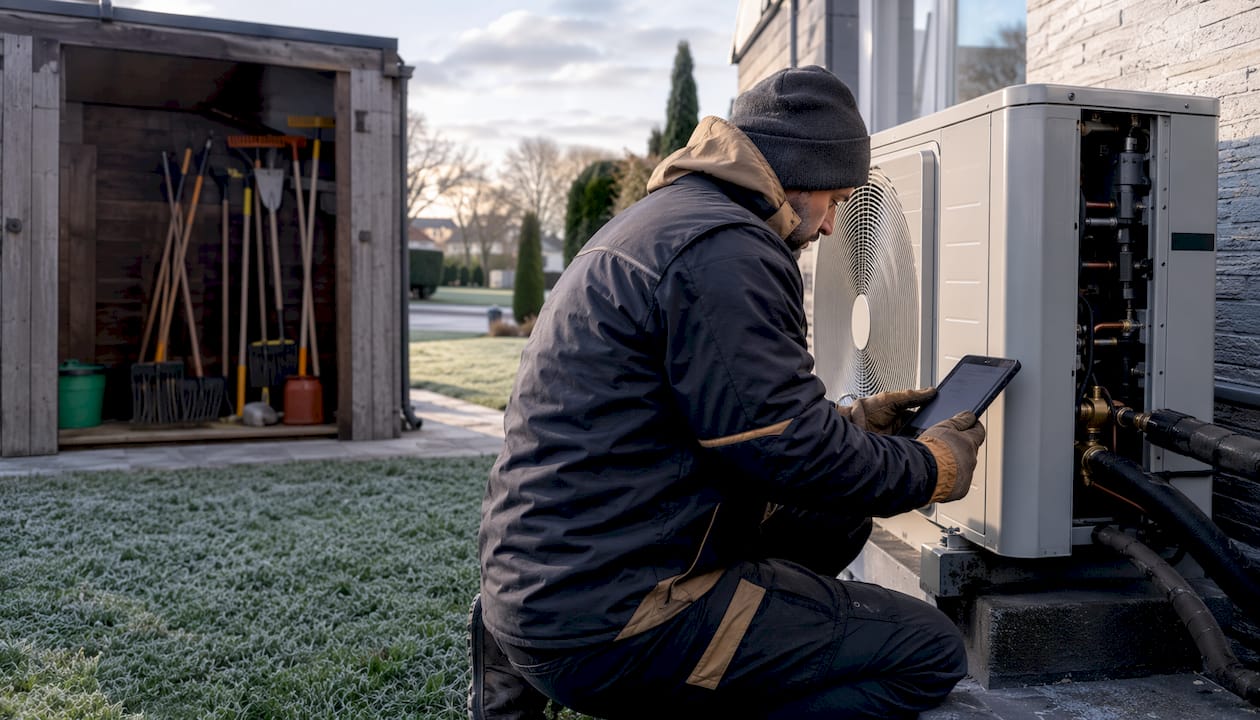
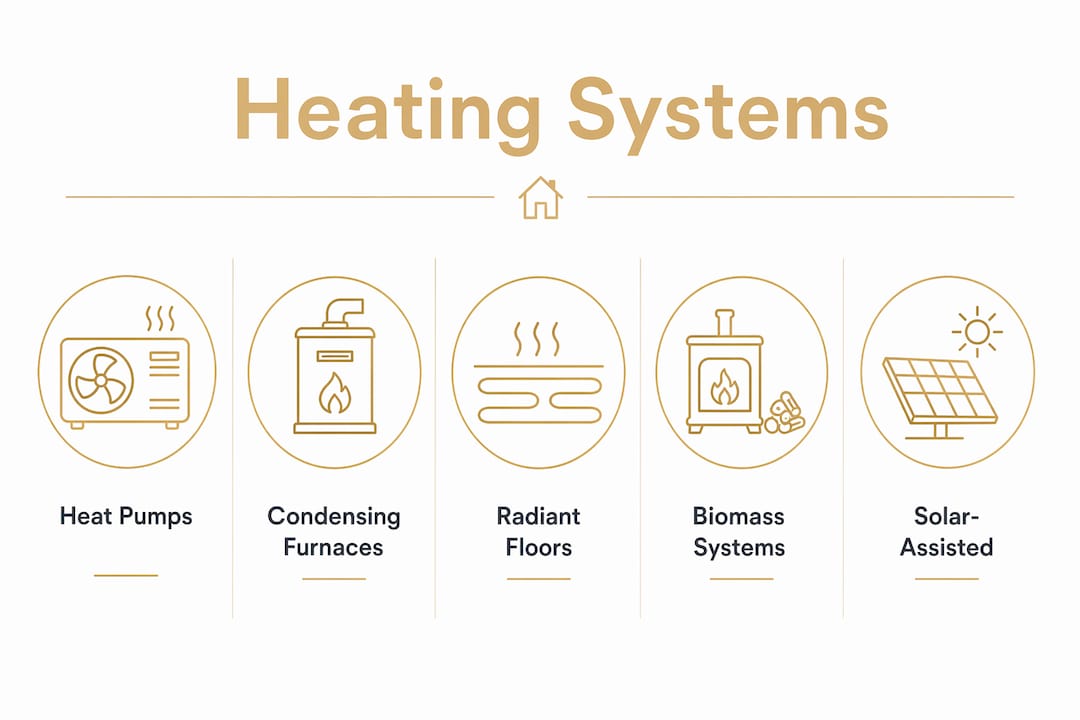
Heat pumps move heat from outdoor air into your home rather than burning anything to create it. That transfer principle is why they can deliver more heat energy than the electrical energy they consume. Ducted air-source heat pumps work well in homes that already have ductwork; ductless mini-splits are ideal for additions, older homes without ducts, or room-by-room zoning. Comparing heat pumps vs. AC units is worth doing before you commit, since modern cold-climate models now operate efficiently well below freezing. The DOE reports that heat pumps can reduce electricity use for heating by roughly 50% compared to electric resistance baseboard heaters.
Ground-source (geothermal) heat pumps
Geothermal systems pull heat from the stable temperatures underground rather than from outdoor air. They are among the most efficient options available, but they require significant excavation or drilling, which drives upfront costs well above air-source alternatives. Best suited for homeowners with adequate land, favorable geology, and a long planning horizon.
High-efficiency condensing furnaces and boilers
Condensing gas furnaces can reach AFUE ratings above 90%, capturing heat from combustion gases that standard furnaces exhaust. They make sense where natural gas is cheap and readily available, and where the climate is too cold for a heat pump to handle the full load alone. One important caveat: leaky ducts can erase much of that efficiency gain before the warm air reaches your rooms.
Radiant floor (hydronic) systems
Hydronic radiant systems circulate hot water through tubing beneath the floor, heating rooms from the ground up. They deliver very even, draft-free comfort and pair well with high-efficiency boilers or even solar water heaters. Installation disruption is significant in existing homes — it typically means pulling up flooring — so radiant is most cost-effective in new construction or major renovations.
Biomass (pellet and wood) systems
EPA-certified pellet stoves and wood-burning inserts are legitimate energy-saving heating options in rural areas where wood fuel is local and affordable. They work best as a primary or supplemental heat source in well-insulated homes. Maintenance is hands-on: ash removal, flue cleaning, and fuel storage are all part of the deal.
Electric resistance vs. heat pump water heaters
Standard electric baseboard and wall heaters convert electricity to heat at a 1:1 ratio — expensive to run. An ENERGY STAR certified heat pump water heater uses roughly 70% less energy than a standard electric water heater, and a family of four can save over $550 a year by switching. For space heating, converting from electric resistance to a heat pump is one of the highest-return moves available.
Solar-assisted systems
Solar thermal collectors can preheat water for radiant floor systems or supplement a forced-air furnace. They work best as part of a broader system plan rather than a standalone solution, and their value depends heavily on local sun exposure and utility rates.
How is heating efficiency measured? Key ratings explained
Understanding the labels on equipment makes shopping far less confusing. Here’s a quick reference:
| Rating | What it measures | Typical range | What “good” looks like |
|---|---|---|---|
| AFUE | Annual fuel utilization efficiency for furnaces/boilers | 80% | 90%+ for condensing gas furnaces |
| HSPF / HSPF2 | Heating season performance factor for heat pumps | 8–13 | 10+ (HSPF) |
| COP | Coefficient of performance (instantaneous heat output / energy input) | 2–5 | 3+ at design conditions |
| SEER / SEER2 | Cooling efficiency for heat pumps and AC | 14–25 | — |
| ENERGY STAR | EPA-verified efficiency threshold across product categories | Pass/fail | Look for the blue label |
For more detail on reading these numbers, HVAC efficiency ratings explained walks through each metric with homeowner-friendly examples.
A few practical rules for using these ratings:
- Use AFUE when comparing gas or oil furnaces and boilers. A jump from 80% to 95% AFUE is meaningful, but only if your ducts are sealed.
- Use HSPF or COP when evaluating heat pumps. COP tells you real-time efficiency; HSPF averages it across a heating season.
- SEER/SEER2 matters if your heat pump also handles summer cooling — which most do.
- ENERGY STAR is the fastest filter: it screens out the bottom performers and confirms independent testing.
Envelope and distribution upgrades that multiply your savings
The most reliable path to lower heating bills isn’t always a new system — it’s fixing what surrounds the system. DOE guidance consistently points to a whole-house, systems-based approach: windows, insulation, air sealing, duct condition, and controls all interact with your heating equipment, which is why it’s important to understand energy recovery ventilation for UAE homes.
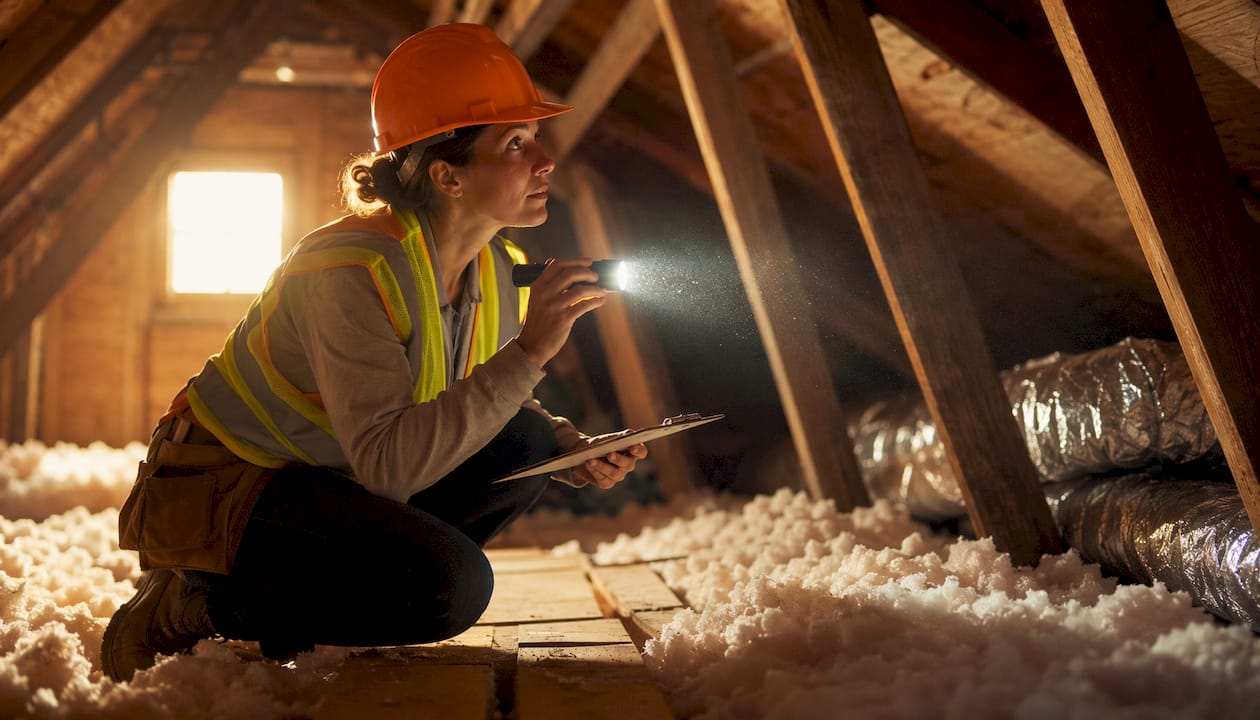
The sequence matters. Tackle insulation and air sealing first, then address duct leaks and distribution, then replace equipment. Why? A well-sealed, well-insulated home needs a smaller heating system. Buying equipment before fixing the envelope often means you’ll oversize it, which causes short-cycling, uneven comfort, and premature wear.
A practical checklist of measures to address:
- Attic insulation (the single highest-return weatherization upgrade in most U.S. climates)
- Air sealing at penetrations, rim joists, and attic bypasses
- Duct sealing and insulation in unconditioned spaces (garages, crawlspaces, attics)
- Programmable or smart thermostat — the DOE notes you can save up to 10% per year by adjusting setpoints 7°–10°F for 8 hours a day
- Window and door weatherstripping
Pro Tip: Before scheduling any equipment replacement, ask your contractor or a certified energy auditor to run a blower-door test. It quantifies air leakage and tells you exactly where to seal first — often revealing that the payback on air sealing beats a new furnace by years.
For room-by-room distribution advice, heat balance tips for every floor in winter covers common comfort problems and how to address them without oversizing equipment.
Typical costs, expected savings, and where to find U.S. incentives
Upfront costs vary widely by system type, home size, and region, so treat any range as a starting estimate rather than a quote. Heat pump installations generally run higher than a straight furnace swap, though the gap narrows when you factor in that a heat pump replaces both the furnace and the air conditioner. Geothermal systems carry the highest upfront cost but the lowest operating costs over time.
On the savings side, the DOE’s data is clear: upgrading to new high-efficiency HVAC equipment can reduce heating and cooling energy use by 20% or more; combined with insulation and air sealing, homeowners can often cut total heating and cooling bills by about 30%. For homeowners currently on electric resistance heat, an ACEEE analysis found that switching to a heat pump can cut electricity use for space heating by roughly half. National lab research shows that for over 90% of U.S. households, replacing worn-out heating equipment with the right heat pump saves on energy bills.
Regional electricity and fuel prices change the math significantly. A heat pump that pencils out beautifully in California may have a longer payback in parts of the Upper Midwest where electricity rates are high. Always run the numbers with local utility rates before committing.
Where to find incentives:
- ENERGY STAR Rebate Finder at energystar.gov — utility and manufacturer rebates by ZIP code
- DSIRE (dsireusa.org) — the most complete database of state and local incentive programs
- IRS guidance on the Energy Efficiency Home Improvement Credit — the Inflation Reduction Act created a credit of up to $2,000 per household per year for heat pumps, heat pump water heaters, and related upgrades; check IRS.gov for current rules
- Your local utility’s website — many offer rebates that change seasonally and aren’t always captured in national databases
For a deeper look at how rebates work in practice, utility rebates for heating covers the paperwork process and common pitfalls.
How to choose the right energy-efficient heating solution
Start with your situation, not the equipment. Work through this sequence:
- Climate zone — Cold climates (Zones 5–7) need cold-climate-rated heat pumps or a dual-fuel setup; mild climates (Zones 2–4, including most of Southern California) are ideal for standard air-source heat pumps.
- Current fuel and ductwork — Homes with existing ducts and gas service have the most options. No ducts? Mini-splits or radiant become more attractive.
- Envelope condition — Run an energy audit before sizing anything. A leaky, under-insulated home needs envelope work first.
- Budget and financing — Factor in available tax credits and rebates before comparing sticker prices.
- Contractor quality — This is where most homeowners underestimate risk.
Questions to ask every contractor:
- Will you perform a Manual J load calculation before recommending equipment size?
- How do you verify refrigerant charge and airflow after installation?
- Can you provide references for similar installs in homes like mine?
- Will you help me document the project for rebate and tax credit applications?
- What commissioning steps do you follow before signing off?
Red flags to watch:
- A bid that skips the load calculation entirely
- Equipment sized “like the old one” without measuring the home
- An unusually low bid with a vague scope of work
- No mention of duct testing or airflow verification
- Pressure to decide before a written proposal is provided
If you see any of these, get a second opinion. Common HVAC repair challenges covers what happens when installation corners are cut — and it’s rarely cheap to fix.
Maintenance expectations and typical lifespans
Good maintenance isn’t just about avoiding breakdowns — it’s how you preserve the efficiency you paid for. A poorly maintained heat pump can drift well below its rated COP within a few seasons.
Routine maintenance schedule:
- Annual tuneup for all systems (furnaces, boilers, heat pumps) — ideally before the heating season
- Filter replacement every 1–3 months depending on filter type and household conditions
- Refrigerant charge and airflow check for heat pumps — annually or whenever performance drops
- Combustion safety check for gas furnaces and boilers — carbon monoxide is a real risk with aging equipment
- Duct inspection every few years, especially after any renovation work
| System | Typical lifespan | What shortens it |
|---|---|---|
| Air-source heat pump | 15–20 years | Improper sizing, low refrigerant, skipped tuneups |
| Gas furnace | 15–20 years | Oversizing, dirty filters, ignored combustion issues |
| Boiler (hydronic) | 20–30 years | Sediment buildup, deferred maintenance |
| Radiant floor tubing | 30–50 years | Physical damage during renovation |
| Ductless mini-split | 15–20 years | Blocked filters, refrigerant leaks |
The DOE and Building America caution that improper installation can reduce efficiency and shorten equipment life significantly — sizing and commissioning are as important as the brand you choose.
Pro Tip: A maintenance contract with a qualified HVAC contractor typically pays for itself in avoided emergency calls and preserved warranty coverage. Most manufacturers require documented annual service to honor warranty claims.
How Upright Construction & HVAC assesses and installs efficient heating
Here’s how we approach an energy-efficient heating upgrade at Upright Construction & HVAC, step by step:
- Initial intake — We review your utility bills, existing equipment specs, and any prior audit reports before setting foot on site.
- On-site energy audit and load calculation — We measure the home, assess insulation levels, check duct condition, and run a Manual J calculation. No guessing on equipment size.
- Envelope recommendations first — If air sealing or insulation upgrades will reduce the required equipment capacity, we tell you that before recommending a system. A smaller, right-sized unit costs less and runs better.
- Equipment selection and sizing — We match the system to the home’s actual load, climate zone, and fuel availability — not to what was there before.
- Quality installation and commissioning — Every heat pump install includes refrigerant charge verification and airflow testing. We don’t sign off until the numbers match the spec.
- Rebate and documentation support — We help you gather the paperwork for ENERGY STAR rebates, utility programs, and IRA tax credits. That step alone has saved our clients hundreds to thousands of dollars.
- Maintenance plan enrollment — We offer ongoing maintenance plans so efficiency doesn’t erode between seasons.
Common mistakes I see homeowners make: trusting a bid that skips the load calculation, replacing equipment without addressing duct leaks first, and missing rebate deadlines because the paperwork wasn’t filed correctly. We handle all of that as part of the job.
Key Takeaways
Energy-efficient heating delivers the most reliable savings when the right equipment is paired with a well-sealed, properly insulated home and installed by a contractor who verifies sizing and commissioning.
| Point | Details |
|---|---|
| Heating is your biggest energy cost | Heating and cooling together account for about 32% of home energy use — the highest single category. |
| Equipment upgrades alone aren’t enough | Upgrading to new, high-efficiency HVAC equipment can reduce heating and cooling energy use by 20% or more; combined with envelope improvements, homeowners can often cut total heating and cooling bills by about 30%. |
| Heat pumps suit most U.S. homes | Over 90% of U.S. households assessed can save on energy bills by replacing worn-out equipment with the right heat pump. |
| Sequence your upgrades correctly | Fix insulation and air sealing before replacing equipment — it reduces required system size and total project cost. |
| Upright Construction & HVAC | Provides load calculations, quality installation, and rebate documentation support for Los Angeles homeowners. |
What I’ve learned after 15 years of heating upgrades in L.A.
The conversation about energy-efficient heating tends to focus on equipment specs — AFUE this, HSPF that. Those numbers matter, but they’re not where most homeowners lose money. The real losses happen in three places: the wrong system for the home’s actual load, installation that doesn’t get commissioned properly, and envelope problems that make any system work harder than it should.
What I’d push back on is the idea that the most expensive system is automatically the best choice. A correctly sized, properly installed mid-tier heat pump in a well-sealed home will outperform a premium unit crammed into a leaky one every time. The building is the system. The equipment is just one part of it.
The other thing I’d say: don’t let the incentive landscape paralyze you. The Inflation Reduction Act credits and state rebate programs are real money, but they change. If your equipment is aging and your bills are climbing, the cost of waiting often exceeds the value of chasing a slightly better rebate next year. Get the assessment done, understand your options, and make a decision based on your home’s actual numbers.
Upright Construction & HVAC can help you get this right
Choosing the right heating system is straightforward when someone walks you through your home’s actual numbers — not a generic recommendation based on square footage alone. At Upright Construction & HVAC, we serve Los Angeles homeowners with full-service diagnostics, properly sized installations, and hands-on rebate paperwork support so you capture every dollar available.

What you get with an Upright estimate: a written load calculation, a clear explanation of your system options with honest cost and savings projections, and a documented installation process that satisfies both manufacturer warranty requirements and rebate program documentation. Our team is available 24/7 for emergencies, and our HVAC repair Los Angeles service covers same-day response when your system can’t wait. Ready to see what the right system looks like for your home? Request a diagnostic estimate and we’ll start with the numbers, not a sales pitch.
Useful sources and where to check current programs
- U.S. Department of Energy — Energy Saver: The most comprehensive free guide to home energy efficiency, covering every system type and the whole-house approach.
- ENERGY STAR: Equipment certification database, rebate finder by ZIP code, and the Quality Installation guide for contractors.
- DSIRE (dsireusa.org): The definitive U.S. database of state, local, and utility incentive programs — updated regularly.
- ACEEE (aceee.org): Independent research on heat pump economics, fuel-switching payback, and efficiency policy — useful for understanding regional tradeoffs.
- Your local utility’s website: Rebate programs change seasonally and vary by utility; always check directly before purchasing equipment.
For project-specific advice, consult a certified HVAC installer or a BPI-certified energy auditor who can assess your home’s actual conditions.
FAQ
What is an energy-efficient heating system?
An energy-efficient heating system delivers the same indoor comfort as a conventional system while using less fuel or electricity to do it — either by burning fuel more completely (high AFUE furnaces) or by moving existing heat rather than generating it (heat pumps). ENERGY STAR certification is the fastest way to confirm a product meets independently verified efficiency thresholds.
Does energy-efficient heating mean a lower electric bill?
Usually, yes — but the size of the reduction depends on what you’re replacing and your local utility rates. Switching from electric resistance baseboard heat to a heat pump can cut electricity use for space heating by roughly half, according to ACEEE research. Switching from gas to a heat pump may raise your electric bill while lowering your total energy cost, depending on regional fuel prices.
What’s the most affordable way to run your heating day-to-day?
The cheapest operating approach combines a properly sized, high-efficiency system with good insulation, sealed ducts, and a smart thermostat. The DOE notes that adjusting your thermostat 7°–10°F for 8 hours a day can save up to 10% per year on heating and cooling costs — one of the highest-return, lowest-cost changes available to any homeowner.
What is ENERGY STAR heating and does it matter?
ENERGY STAR is the EPA’s certification program for energy-efficient products, including furnaces, boilers, and heat pumps. A product earns the label only after independent testing confirms it meets efficiency thresholds above the federal minimum. For homeowners, it’s the most reliable shortcut for filtering out underperforming equipment and qualifying for many utility rebates.
How do I know if a heat pump will work in my climate?
Modern cold-climate air-source heat pumps are designed to operate efficiently at temperatures well below freezing, making them viable across most of the continental U.S. The DOE’s national lab research found that heat pumps can save on energy bills for over 90% of U.S. households when matched correctly to the home’s load and climate zone. A Manual J load calculation from a qualified contractor will confirm whether a heat pump alone covers your heating load or whether a dual-fuel backup makes sense.
Recommended
- Essential Heat Balance Tips For Every Floor In Winter – Upright Construction & HVAC
- Wondering Why Your Heater Blowing Cold Air Instead Of Hot Air? Here’s Why – Upright Construction & HVAC
- Why Heating Maintenance Saves Money For Homeowners
- Boost AC Efficiency How Capacitors Transform Performance – Upright Construction & HVAC