- TL;DR Summary for Those in a Hurry:
- Thermostat Issues
- Pilot Light or Ignition Problems
- When the Issue is with Electric Heaters
- Heat Pump Problems
- Is Your Furnace Blowing Cold Air? Here's What To Check
- Faulty Valves or Gas Supply Issues
- How UPRIGHT HVAC and Construction Can Help
- Comprehensive Maintenance Plans
- Expert Repair and Installation
- Transparent Pricing
- Preventive Measures and Tips
- Upgrade Your Thermostat
- Keep Vents Clear
- Conclusion
TL;DR Summary for Those in a Hurry:
- Blowing Cold Air Instead Of Hot Air usually means your heating system isn’t producing or delivering heat properly — but it might still seem like it’s running normally.
- First check simple things: thermostat settings (must be on heat with fan on “AUTO”) and clean air filters — incorrect settings or clogged filters can make the system circulate cool air.
- For gas furnaces, a pilot light out or ignition failure stops heat production, while older systems may also suffer from malfunctioning flame sensors.
- In electric systems, breaker issues or component faults can prevent heating elements from working even though air keeps circulating.
- Other causes include overheating shutoffs or leaky/blocked ducts, which reduce warm air delivery — many of these need professional diagnosis and repair.
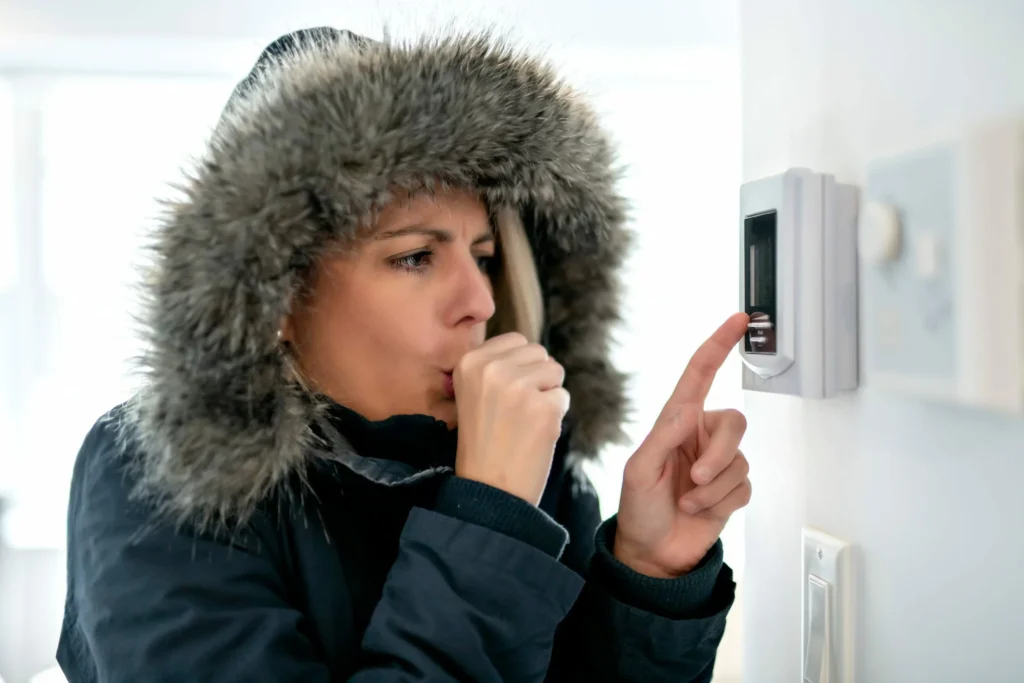
When you expect the comforting warmth of your heater on a chilly day, the last thing you want is a blast of cold air. If your heater is blowing cold air instead of hot, it can be frustrating and perplexing. Understanding why this happens can not only bring peace of mind but also guide you to a timely solution.
At UPRIGHT HVAC and Construction, we have spent over 15 years helping homeowners and property developers resolve such issues efficiently and effectively. Let’s dive into the potential reasons and solutions for your heater blowing cold air.
Thermostat Issues
Incorrect Settings
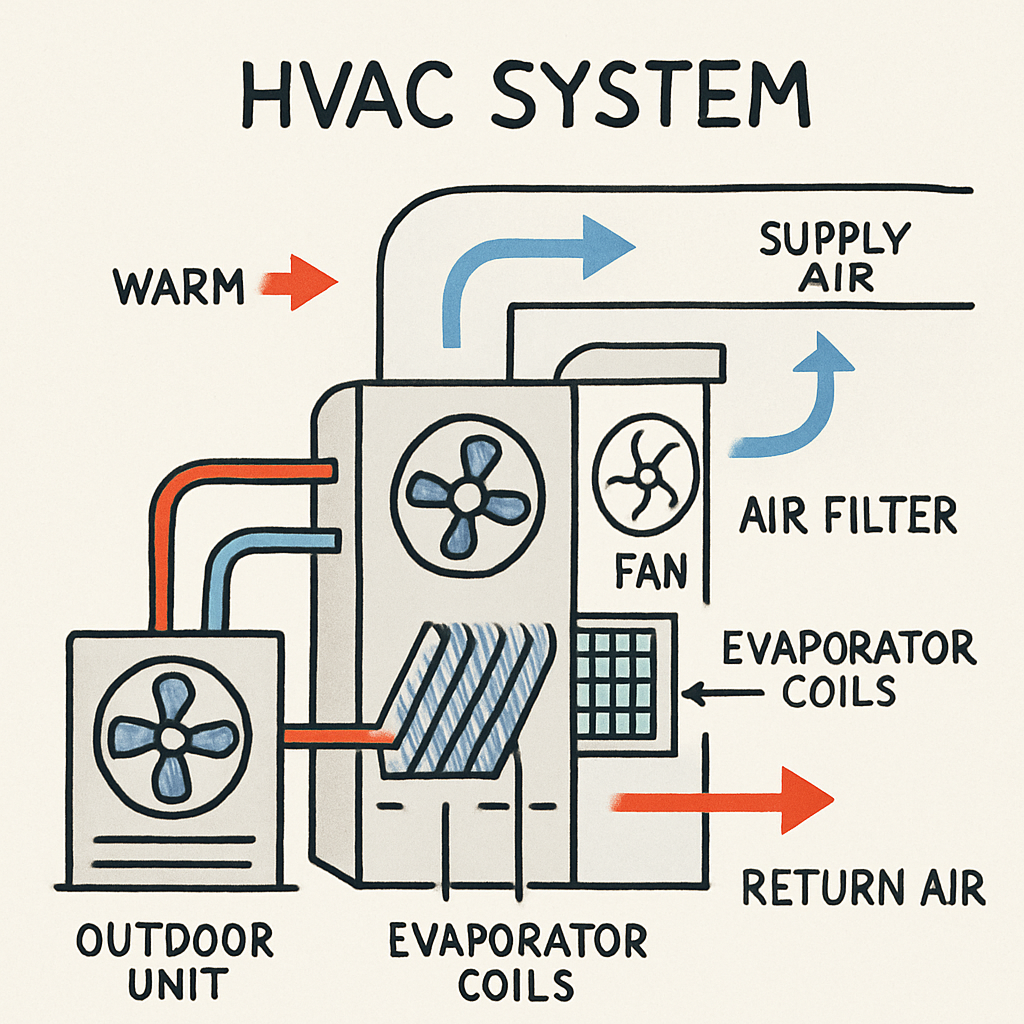
The thermostat is often the first place to start when troubleshooting a heater blowing cold air. While it might seem straightforward, incorrect settings are frequently the culprit. Ensure that the thermostat is set to ‘heat’ and that the temperature setting is higher than the current room temperature. Sometimes, users inadvertently set their thermostats to ‘cool’ or ‘off,’ which naturally results in cold air blowing.
Programmable Thermostat Glitches
If you have a programmable thermostat, it’s crucial to check its schedule settings. A misaligned schedule can cause the heater to blow cold air at unexpected times. Double-check that the thermostat’s program aligns with your daily routine and preferences. Also, consider whether the thermostat itself might need a firmware update or reset if it’s been behaving erratically.
Thermostat Malfunctions
Even when correctly set, thermostats can malfunction. Older thermostats may have calibration issues, causing the temperature readings to be inaccurate. This can lead to the heater not functioning as expected. In such cases, recalibrating the thermostat or upgrading to a more reliable model might be necessary.
Pilot Light or Ignition Problems
Pilot Light Outage
For gas furnaces, a frequent issue is the pilot light going out. Without the pilot light, the furnace cannot ignite the gas to produce heat, leading to cold air blowing. Check the pilot light regularly, especially if you live in an area with frequent drafts or strong winds that could extinguish it. Relighting the pilot light can often solve the problem, following the manufacturer’s safety instructions.
Faulty Electronic Ignition
Modern furnaces often use electronic ignition systems instead of a traditional pilot light. These systems can fail due to issues like wear and tear or electrical faults. If the ignition system is faulty, it may need professional servicing or part replacement to restore proper heating function.
Gas Supply Interruptions
Sometimes, the issue isn’t with the pilot light or ignition system itself but with the gas supply. Ensure that the gas valve is open and that there are no interruptions in the gas supply. If you suspect a gas leak, immediately contact a professional technician to avoid safety hazards.
Clogged Air Filters
Impact on Airflow
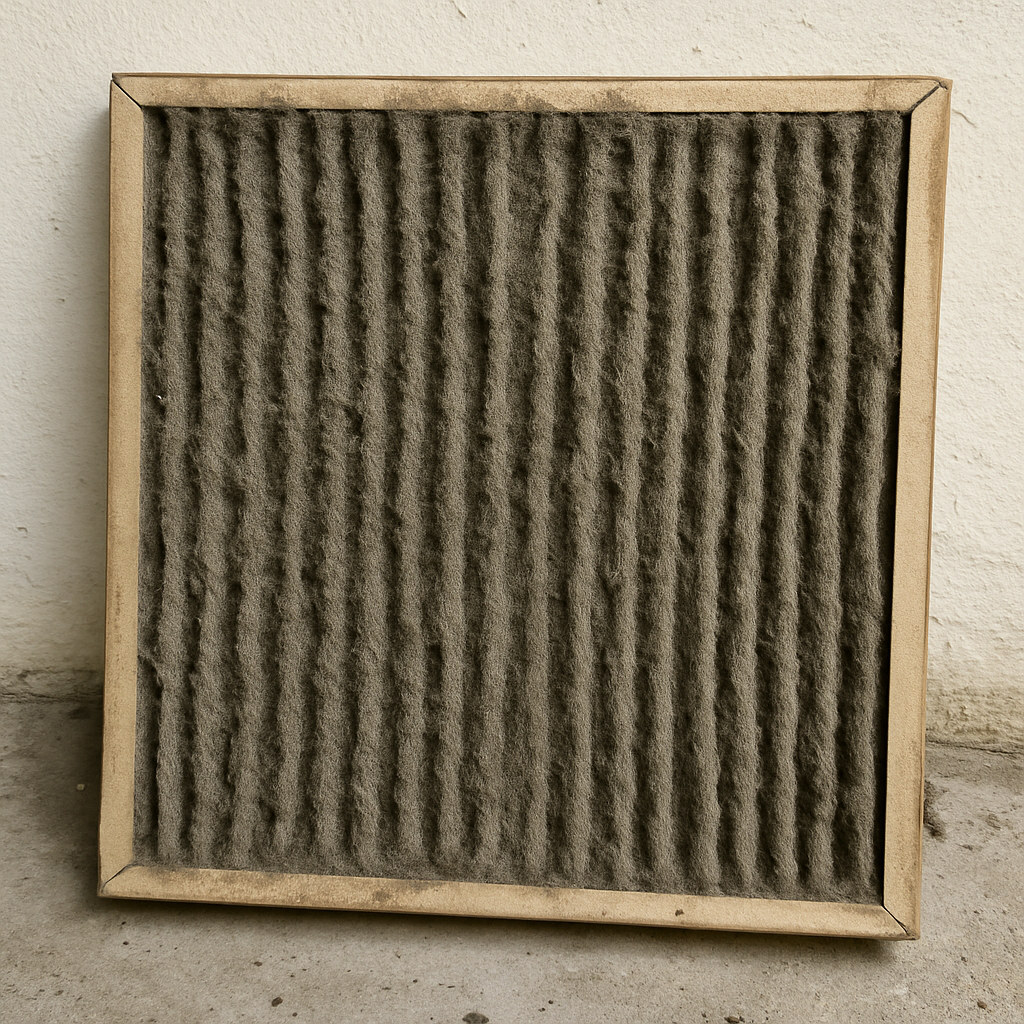
Clogged air filters are a common yet often overlooked problem that can cause your HVAC system to blow cold air. When filters are clogged with dust and debris, they restrict airflow. This can lead to the system overheating and shutting down the burners as a protective measure, resulting in cold air being circulated.
Regular Replacement
To prevent issues with airflow and maintain system efficiency, it’s vital to replace air filters regularly. Depending on your system and environment, filters should be checked monthly and replaced every 1-3 months. This simple maintenance task can significantly enhance your system’s performance and lifespan.
Choosing the Right Filter
Not all air filters are created equal. Selecting a filter with the appropriate MERV rating for your system ensures optimal performance without overly restricting airflow. Consult your HVAC system’s manual or a professional technician to determine the best filter type for your needs.
When the Issue is with Electric Heaters
Circuit Breaker Problems
If your electric heater is blowing cool air, one of the first things to check is the circuit breaker. A tripped breaker can cut off power to the heater, preventing it from producing heat. Inspect your home’s electrical panel and reset any tripped breakers. This simple fix can often restore your heater’s function.
Blown Fuses
Another potential electrical issue is a blown fuse. Like circuit breakers, fuses protect your electrical system from overloads. If a fuse has blown, it will need to be replaced to restore power to the heater. Be sure to use the correct type and rating of fuse to avoid further electrical problems.
Professional Electrical Inspection
If resetting the breaker or replacing fuses doesn’t solve the problem, there may be a more serious electrical fault. This could include issues with wiring, connections, or the heater’s internal components. In such cases, a professional electrical inspection is recommended to diagnose and resolve the issue safely.
Heat Pump Problems
Defrost Mode
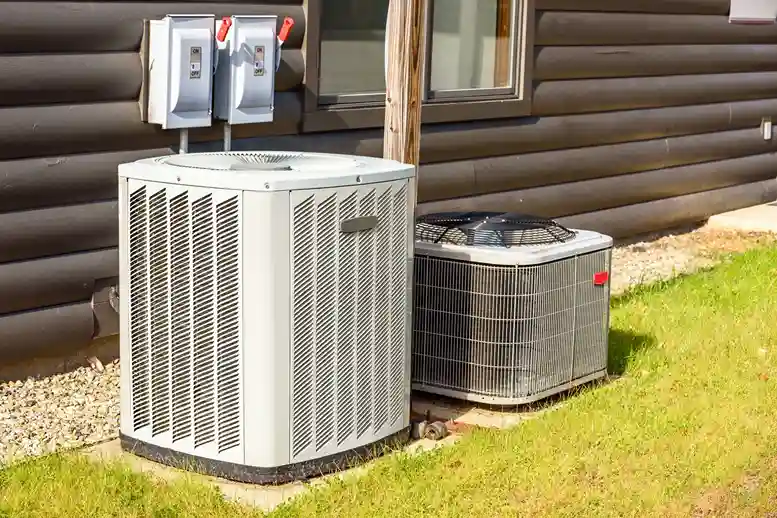
Homes equipped with heat pumps might experience the system blowing cool air when in defrost mode. During colder months, heat pumps occasionally enter this mode to prevent ice buildup on the outdoor unit. While this is normal, it should only last a few minutes. If it occurs frequently, it might indicate a problem with the system’s sensors or controls.
Frequent Defrost Cycles
Frequent or prolonged defrost cycles can be a sign of underlying issues with the heat pump. This could be due to low refrigerant levels, faulty sensors, or problems with the reversing valve. A professional diagnosis can identify and fix these issues to ensure your heat pump operates efficiently.
Heat Pump Maintenance
Regular maintenance is key to preventing heat pump problems. This includes cleaning the outdoor unit, checking refrigerant levels, and ensuring all components are functioning correctly. Scheduling annual maintenance with a professional can help catch potential issues early and keep your system running smoothly.
Is Your Furnace Blowing Cold Air? Here’s What To Check
Causes of Overheating
Furnace overheating is a common issue that triggers a safety control to shut off the burners. Overheating can result from restricted airflow, often due to clogged filters or blocked vents. Ensuring that all vents are open and unobstructed is crucial for maintaining proper airflow and preventing overheating.
Preventive Measures
Regularly replacing air filters and checking for blockages in the ductwork can prevent overheating. Additionally, ensure that furniture or curtains are not obstructing vents, allowing air to circulate freely throughout the home. These simple measures can help maintain efficient furnace operation.
Professional Servicing
If overheating persists despite taking preventive measures, a professional inspection may be necessary. Technicians can identify issues such as faulty components or installation errors that may be contributing to the problem. Addressing these issues promptly can prevent further damage and ensure safe furnace operation.
Faulty Valves or Gas Supply Issues
Gas Valve Checks
For gas furnaces, ensuring that the gas valve is open and functioning correctly is essential. A closed or faulty gas valve can prevent the furnace from receiving the necessary gas to produce heat. Regular checks can prevent unexpected issues and ensure consistent heating.
Gas Supply Interruptions
Interruptions in the gas supply can also cause the furnace to blow cold air. This might be due to a problem with the gas line or meter. If you suspect an interruption, contact your gas provider to ensure there are no issues with the supply.
Detecting Gas Leaks
Gas leaks are a serious safety concern. If you suspect a gas leak, such as the smell of gas or hissing sounds near the furnace, evacuate the area immediately and contact a professional. Regular inspections can help detect and address potential gas leaks early.
How UPRIGHT HVAC and Construction Can Help
At UPRIGHT HVAC and Construction, we pride ourselves on providing high-quality service and long-lasting solutions. Here’s how we can assist:
Accurate Problem Identification
Our experienced technicians excel at accurately diagnosing why your heater is blowing cold air. We utilize advanced diagnostic tools to pinpoint the root of the problem, ensuring that the issue is resolved correctly the first time. This precision saves you time and prevents unnecessary repairs.
Comprehensive Problem Solving
Beyond identifying the problem, we offer comprehensive solutions tailored to your specific needs. Whether the issue is with the thermostat, pilot light, or another component, our team provides effective remedies to restore your heater’s function quickly.
Peace of Mind
With a professional diagnosis, you gain peace of mind knowing that the issue is being handled by experts. Our transparent communication ensures you understand the problem and the proposed solutions, allowing you to make informed decisions.
Comprehensive Maintenance Plans
Routine Inspections
Regular maintenance is key to preventing issues such as cold air blowing from your heater. Our comprehensive maintenance plans include routine inspections that help identify potential problems before they become major issues. This proactive approach keeps your system running efficiently and reduces the risk of unexpected breakdowns.
System Cleaning
In addition to inspections, our maintenance plans include thorough system cleaning. Removing dust and debris from components ensures optimal performance and extends the lifespan of your HVAC system. Clean systems also operate more efficiently, saving you money on energy bills.
Necessary Adjustments
Our technicians make necessary adjustments during maintenance visits to ensure your system operates at peak performance. This includes calibrating thermostats, tightening connections, and checking for wear and tear. Regular adjustments prevent minor issues from escalating into costly repairs.
Expert Repair and Installation
Tailored Repair Solutions
Whether it’s a simple repair or a full system installation, we provide expert services tailored to your needs and budget. Our technicians are skilled in diagnosing and repairing a wide range of HVAC issues, ensuring your system is restored to optimal condition.
High-Quality Parts
We use only high-quality parts for repairs and installations, ensuring durability and performance. This commitment to quality means you can trust that your system will function reliably for years to come, providing consistent comfort and peace of mind.
Customized Installations
For new installations, we offer customized solutions that meet your specific requirements. Our team works with you to select the best system for your home, ensuring efficient operation and maximum comfort. We handle the entire installation process, from start to finish, with professionalism and care.
Transparent Pricing
Upfront Estimates
We understand the frustration of unexpected costs. That’s why we provide transparent pricing and detailed estimates before any work begins. This upfront approach ensures you know exactly what to expect, with no hidden fees or surprises.
Competitive Rates
Our pricing is competitive, offering excellent value for the high-quality services we provide. We aim to deliver the best possible solutions at affordable rates, ensuring you receive top-notch service without breaking the bank.
Flexible Payment Options
To make our services accessible to everyone, we offer flexible payment options that fit your budget. Whether you need a quick repair or a complete system overhaul, we work with you to find payment solutions that meet your financial needs.
Preventive Measures and Tips
Regular Maintenance
Regular maintenance is crucial in preventing heater issues. Schedule annual check-ups with a professional to catch potential problems early. These inspections can identify issues like worn components, dirty filters, or calibration errors that might lead to cold air blowing.
Seasonal Preparations
In addition to annual check-ups, consider seasonal preparations for your HVAC system. Before the start of each heating and cooling season, have a technician inspect your system to ensure it’s ready to handle the demands of extreme temperatures. This proactive approach prevents unexpected failures.
DIY Maintenance Tasks
While professional maintenance is essential, there are simple DIY tasks you can perform to keep your system running smoothly. These include changing air filters, checking thermostat settings, and ensuring vents are clear. Regularly performing these tasks can prevent many common issues.
Upgrade Your Thermostat
Advantages of Programmable Thermostats
Consider upgrading to a programmable or smart thermostat for better control and efficiency. These devices allow you to set schedules that match your lifestyle, optimizing comfort and energy savings. By preventing common thermostat-related issues, they can ensure your heater operates as intended.
Smart Thermostat Features
Smart thermostats offer advanced features such as remote access, energy usage reports, and learning capabilities. These features enhance convenience and help you make informed decisions about your home’s energy use. Investing in a smart thermostat can lead to significant long-term savings.
Installation and Setup
While installing a new thermostat can be a DIY project, professional installation ensures it’s done correctly. Our technicians can handle the installation and setup, ensuring your new thermostat integrates seamlessly with your existing HVAC system. This professional touch guarantees optimal performance and reliability.
Keep Vents Clear
Ensuring Proper Airflow
Ensure that all vents in your home are clear of obstructions to allow proper airflow, which can prevent overheating and system shutdowns. Blocked vents force your system to work harder, reducing efficiency and potentially causing it to blow cold air.
Identifying Obstructions
Regularly inspect your home for potential vent obstructions. This includes furniture, curtains, or other items that might block airflow. Keeping vents open and unobstructed ensures that warm air circulates effectively throughout your home.
Benefits of Unobstructed Vents
Keeping vents clear not only prevents heater issues but also improves indoor air quality and comfort. By allowing your system to operate efficiently, you reduce energy consumption and extend the lifespan of your HVAC system. This simple step contributes to a comfortable and healthy home environment.
Conclusion
A heater blowing cold air can be a simple fix or a sign of a more significant issue. By understanding the potential causes and taking preventive measures, you can ensure your home remains warm and comfortable.
At UPRIGHT HVAC and Construction, we are committed to resolving your HVAC issues with expertise and integrity. Whether you need a quick repair or a complete system overhaul, our team is here to help with reliable service and quality you can trust.
If your heater is blowing cold air, don’t hesitate to reach out to us. Let us be your trusted partner in keeping your home comfortable year-round. Contact us today for a consultation or to schedule a service.
If your heater is blowing cold air instead of hot air, start with thermostat and filter checks, then inspect ignition or electrical components; persistent problems usually require a technician’s help.
FAQ: