- 1. You’re letting a dirty filter choke your system
- 2. Skipping seasonal professional tune-ups
- 3. Incorrect system sizing or poor installation
- 4. Blocking or neglecting the outdoor condenser
- 5. Thermostat placement and settings that cause short-cycling
- 6. Closing vents in unused rooms
- 7. Delaying small repairs, especially refrigerant and duct leaks
- 8. Ignoring condensate drain clogs and humidity problems
- 9. Buying the cheapest system or hiring only on price
- 10. Poor home sealing and insulation undermining your HVAC
- How often should you service your HVAC, and what does it cost?
- What you can safely do yourself versus when to call a licensed technician
- Your seasonal HVAC prevention checklist
- Key Takeaways
- The mistake that costs homeowners the most, and it’s not the filter
- Upright Construction & HVAC keeps your system running right in Los Angeles
- Useful sources
- FAQ
- How often should homeowners change their HVAC filter?
- What are the signs that my HVAC system needs professional service?
- Is it safe to handle HVAC refrigerant myself?
- How much does a professional HVAC tune-up typically cost?
- Can Upright Construction & HVAC help with both repairs and new installations in Los Angeles?
- Recommended
The most common HVAC mistakes homeowners make are skipping filter changes, neglecting seasonal tune-ups, blocking the outdoor condenser, misusing the thermostat, and delaying small repairs until they become expensive failures. Do two things right now: check your air filter and schedule a professional inspection before the next peak season.
According to U.S. Department of Energy guidance, routine maintenance can cut your heating and cooling costs by about 10% or more while extending equipment life. That alone makes a seasonal tune-up one of the highest-return home investments you can make. ENERGY STAR’s maintenance checklist confirms that dirt and neglect are the top causes of system failure, not age.
Start here:
- Check or replace your air filter today (replace every 1–3 months, or monthly during peak seasons)
- Schedule a spring cooling inspection and a fall heating inspection
- Clear at least two feet of space around your outdoor condenser
- Stop closing vents in unused rooms
- Call a licensed technician for anything involving refrigerant, gas, or electrical components
Upright Construction & HVAC has been helping Los Angeles homeowners avoid these exact mistakes for over 15 years. The rest of this guide breaks down each one so you know what to watch for and what to do.
1. You’re letting a dirty filter choke your system
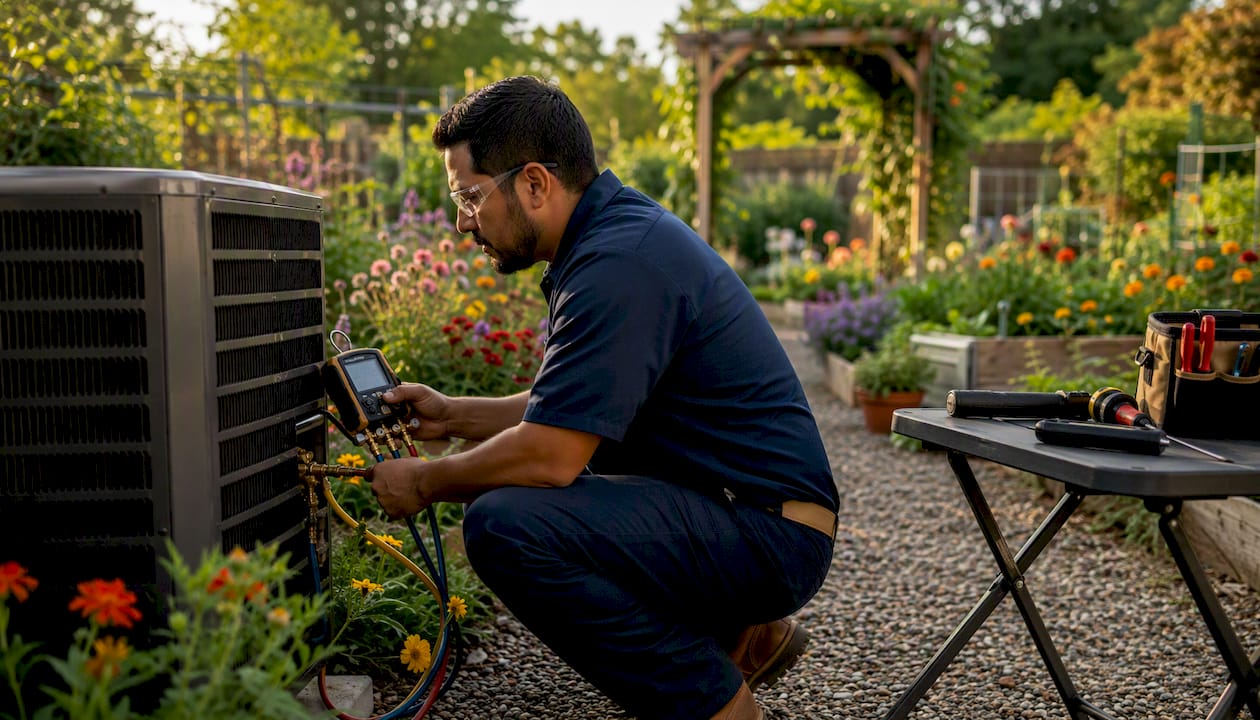
A clogged air filter is the single most common HVAC maintenance mistake, and it costs you in two ways: higher energy bills and accelerated wear on the blower and coils. The DOE recommends checking filters monthly during heavy-use seasons and replacing them at least every 90 days under normal conditions. If you have pets or allergy sufferers at home, monthly replacement is smarter.
Signs: Weak airflow from vents, dusty surfaces near registers, system running longer than usual.
Quick fix: Pull the filter, hold it up to light. If you can’t see through it, replace it now.
One more thing worth knowing: high-MERV filters (MERV 13 and above) can restrict airflow just as badly as a dirty standard filter if your system wasn’t designed for them. Matching filter density to your system’s specs prevents that problem.
2. Skipping seasonal professional tune-ups
Most homeowners only call an HVAC tech when something breaks. That reactive approach almost always costs more over time. A professional tune-up catches a $40 capacitor problem before it becomes a $1,500 compressor replacement. ENERGY STAR recommends scheduling cooling system checks in spring and heating checks in fall, before contractors get slammed with emergency calls.
Signs: Bills creeping up year over year, system struggling to reach set temperature, unusual sounds at startup.
Quick fix: Book spring and fall inspections now, before the busy season.
3. Incorrect system sizing or poor installation
An oversized unit short-cycles: it blasts cold air, shuts off before removing humidity, then blasts again. An undersized unit runs constantly and never catches up. ENERGY STAR quality installation guidance warns that improper sizing and installation can reduce system efficiency by up to about 30% and cause persistent humidity problems. The fix at installation is a Manual J load calculation, which accounts for your home’s square footage, insulation, window area, and local climate.
Signs: Rooms that never feel comfortable, humidity that stays high even with AC running, short on/off cycles.
When to call a pro: Always. Sizing and installation are never DIY territory.
4. Blocking or neglecting the outdoor condenser
Shrubs, fencing, stored equipment, and even mulch piled against the condenser restrict airflow and force the compressor to work harder. Guidance recommends at least two feet of clear space around the unit on all sides. Beyond clearance, a condenser caked with cottonwood seeds or grass clippings loses heat transfer efficiency fast.
Signs: System running hot, longer cooling cycles, higher electric bills in summer.
Quick fix: Trim vegetation, remove stored items, and rinse the fins gently with a garden hose (power washers damage the fins).
5. Thermostat placement and settings that cause short-cycling
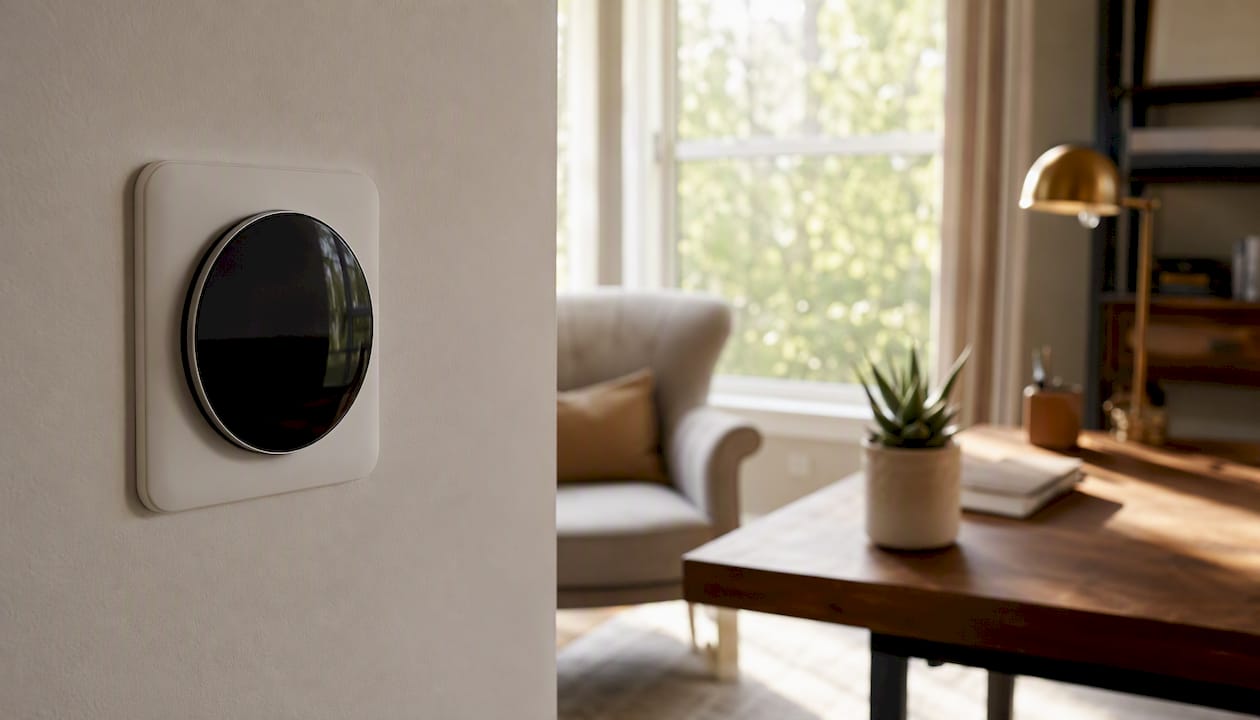
A thermostat mounted near a sunny window, a lamp, or a kitchen doorway reads warmer than the rest of the house and triggers the system to run when it shouldn’t. The DOE’s thermostat guidance explains how localized heat sources cause erratic cycling that wears components faster and wastes energy.
Equally common: cranking the thermostat to 60°F to cool the house faster. Systems cool at a fixed rate regardless of setpoint, so extreme settings only extend runtime and add wear without speeding results.
Signs: Temperature swings between rooms, system cycling on and off frequently, one area always too warm.
Quick fix: Relocate the thermostat to an interior wall away from heat sources, or use a smart thermostat with remote sensors to average readings across rooms.
6. Closing vents in unused rooms
It feels logical: close the vent in the guest room to redirect airflow. In practice, it raises static pressure throughout the duct system, strains the blower motor, and can cause duct joints to leak or separate. DOE duct sealing guidance is clear that closed vents create pressure imbalances that reduce efficiency and damage ductwork over time.
Signs: Whistling sounds from vents, rooms that feel stuffy, increased energy use.
Quick fix: Open all supply vents and keep return air paths clear. Use a zoning system if you genuinely need room-by-room control.
7. Delaying small repairs, especially refrigerant and duct leaks
A slow refrigerant leak or a small duct gap seems minor until the compressor burns out or your conditioned air is heating the attic instead of your living room. CBS News reporting on HVAC mistakes notes that preventive checks consistently catch small problems before they become major failures. Sealing accessible ducts with mastic or metal-backed foil tape can reduce delivery losses significantly in some homes; unreachable ducts may need professional aerosol sealing.
Signs: Ice on refrigerant lines, warm air from vents despite AC running, higher bills with no change in usage.
When to call a pro: Refrigerant handling is federally regulated. Never attempt it yourself.
8. Ignoring condensate drain clogs and humidity problems
Your AC pulls moisture from the air and drains it through a condensate line. When that line clogs with algae or debris, water backs up, triggers a safety shutoff, or overflows into your ceiling or walls. ENERGY STAR highlights condensate drain neglect as a common cause of moisture damage and mold growth.
Signs: Musty odors, water stains near the air handler, system shutting off unexpectedly.
Quick fix: Pour a cup of diluted bleach down the condensate drain line quarterly to prevent algae buildup. A full flush and inspection belongs in every seasonal tune-up.
9. Buying the cheapest system or hiring only on price
A low-bid installation often means skipped steps: no Manual J calculation, undersized ductwork, improper refrigerant charge. You pay the difference in energy bills and early repairs for years. The same logic applies to replacement equipment. A slightly higher-efficiency unit with a proper installation typically pays back the price difference within a few years through lower operating costs.
Signs: New system that never quite performs right, contractor who skips load calculations or pulls no permit.
Quick fix: Get at least three quotes, ask every contractor for their load calculation method, and verify licensing. Our guide on HVAC contractor red flags covers exactly what to watch for.
10. Poor home sealing and insulation undermining your HVAC
Your HVAC system can only condition the air inside your home’s envelope. Gaps around windows, doors, and attic penetrations let conditioned air escape and outdoor air pour in, forcing the system to run longer to compensate. Air sealing and insulation improvements often deliver faster comfort gains than upgrading equipment.
Signs: Drafts near windows or outlets, rooms that are hard to heat or cool, system running almost continuously.
Quick fix: Seal obvious gaps with weatherstripping and caulk. For attic bypasses and wall penetrations, a professional energy audit identifies the biggest losses.
| Mistake | Signs to Watch | Homeowner Quick Fix | Call a Pro When |
|---|---|---|---|
| Dirty air filter | Weak airflow, dusty registers | Replace filter (every 1–3 months) | Filter changes alone don’t restore airflow |
| Blocked condenser | Long cycles, high bills | Clear 2-ft clearance, rinse fins | Fins are bent or compressor is noisy |
| Closed vents | Whistling, pressure buildup | Open all supply vents | Ductwork is leaking or separated |
| Condensate clog | Musty odor, water near handler | Bleach flush quarterly | Water damage or mold is present |
| Thermostat misplacement | Short-cycling, uneven temps | Move away from heat sources | Wiring or sensor replacement needed |
How often should you service your HVAC, and what does it cost?
The DOE recommends two professional inspections per year: spring for the cooling system and fall for the heating system. Monthly filter checks fill the gap between visits.
Typical costs and timing:
- Service contracts: — Usually $150–$300 per year for two visits plus priority scheduling; worth it if your system is more than five years old or you’ve had recurring issues
The DOE estimates that routine maintenance reduces heating and cooling costs by about 10% or more. On a $2,400 annual energy bill, that’s $240 back in your pocket every year, which covers the cost of two tune-ups with money left over.
A service contract makes financial sense when you want predictable costs, priority emergency scheduling, and the peace of mind that a tech is looking at your system before each peak season. One-off tune-ups work fine if your system is newer and you’re disciplined about scheduling. For a deeper look at what preventive maintenance actually covers, the breakdown is worth reading before your next appointment.
Regular professional maintenance also supports the energy savings documented by HVAC maintenance research, which shows how clean coils, correct refrigerant charge, and proper airflow combine to keep efficiency high across the system’s lifespan.
What you can safely do yourself versus when to call a licensed technician
Safe homeowner tasks:
- Replace or clean air filters
- Clear debris and vegetation from around the outdoor unit
- Flush the condensate drain line with diluted bleach
- Program or adjust thermostat schedules
- Check that all supply vents are open and unobstructed
- Rinse condenser fins gently with a garden hose
Stop and call a licensed technician for:
- Any refrigerant handling (federally regulated under EPA Section 608)
- Electrical repairs inside the air handler or disconnect box
- Gas line connections or furnace heat-exchanger inspection
- Compressor or motor replacement
- Duct repairs in unconditioned spaces or behind walls
- Any situation involving burning smells, carbon monoxide detector alerts, or sparking
When you call, report these details: how long the problem has been happening, any unusual sounds or smells, your system’s age and model number, and when it was last serviced. A photo of the filter and the outdoor unit helps the tech prepare.
Pro Tip: Keep a simple maintenance log: date, what was done, who did it, and the invoice number. This documentation protects your warranty, speeds up emergency calls, and adds real value at resale. Learn more about organizing your HVAC maintenance records before your next service visit.
Your seasonal HVAC prevention checklist
Monthly:
- Check air filter; replace if visibly dirty or every 30 days during peak season
- Confirm all supply vents are open and unblocked
- Glance at the outdoor unit for debris accumulation
Each spring (before cooling season):
- Schedule professional AC inspection and tune-up
- Clear two feet of clearance around the condenser
- Flush condensate drain line
- Test thermostat cooling mode and check battery
- Inspect window seals and weatherstripping for gaps
Each fall (before heating season):
- Schedule furnace or heat pump inspection
- Replace filter before heating season begins
- Check attic insulation and seal any obvious air gaps
- Test carbon monoxide detectors
- Review thermostat heating schedule and update for winter hours
Annually:
- Review service contract or schedule both seasonal tune-ups
- Check ductwork in accessible areas for disconnected joints or visible gaps
- Log all service visits with dates and invoice numbers
Pro Tip: Set a recurring calendar reminder two weeks before each season change. That lead time gives you enough runway to book a technician before the spring and fall scheduling rush hits. A seasonal HVAC maintenance checklist makes this even easier to follow.
Key Takeaways
Skipping filter changes and seasonal tune-ups are the two most damaging HVAC mistakes homeowners make, and both are fixable today for under $30 and a phone call.
| Point | Details |
|---|---|
| Change filters regularly | Replace every 1–3 months; monthly during peak seasons to protect airflow and efficiency. |
| Schedule two tune-ups per year | Spring for cooling, fall for heating; DOE links routine maintenance to about 10%+ cost savings. |
| Keep the condenser clear | Maintain at least two feet of clearance on all sides to prevent airflow restriction and compressor strain. |
| Never DIY refrigerant or gas work | These tasks are federally regulated and carry real fire, refrigerant, and carbon monoxide risks. |
| Upright Construction & HVAC | Los Angeles homeowners can book tune-ups, emergency repairs, and duct sealing with 24/7 availability. |
The mistake that costs homeowners the most, and it’s not the filter
Most guides lead with the filter, and they’re right that it matters. But after 15 years of HVAC work in Los Angeles, the mistake I see cost homeowners the most money isn’t a dirty filter. It’s the decision to wait.
Homeowners call us after a system has been struggling for two summers. The refrigerant was low, the coils were dirty, and the blower was working twice as hard as it should. A $150 tune-up two years earlier would have caught all of it. Instead, the compressor gave out in July, during a heat wave, and the repair bill was several times higher than it needed to be.
The other thing I’d push back on: people assume that a newer or more expensive system solves everything. It doesn’t, not without a proper installation. I’ve seen brand-new high-efficiency units underperform because the contractor skipped the load calculation or left the ductwork from the old system in place. Equipment is only as good as the installation behind it. Get the sizing right, get the ducts sealed, and then maintain what you have. That’s the formula that actually works.
Upright Construction & HVAC keeps your system running right in Los Angeles
When a tune-up turns into something bigger, or when your system stops working at 10 PM on a Friday, you need a team that picks up the phone. Upright Construction & HVAC offers 24/7 emergency HVAC repair across the greater Los Angeles area, along with scheduled maintenance, duct sealing, condensate drain cleaning, load calculations for new installations, and preventive maintenance plans built around your system’s age and usage.

Financing is available for larger repairs and full system replacements, so a compressor failure doesn’t have to become a financial emergency on top of a comfort one. Whether you need a same-day fix or a long-term maintenance plan, the starting point is the same: schedule your HVAC repair or inspection in Los Angeles and get a transparent diagnosis from a licensed technician who will tell you exactly what your system needs and what it doesn’t.
Useful sources
- U.S. Department of Energy: Air Conditioner Maintenance — DOE’s primary guidance on seasonal inspections and the ~10%+ maintenance savings estimate.
- U.S. Department of Energy: Consumer Guide to Home Heating and Cooling — Filter replacement frequency, system maintenance basics, and efficiency tips for homeowners.
- U.S. Department of Energy: Duct Sealing — Explains how closed vents and duct leaks create pressure imbalances and reduce system efficiency.
- U.S. Department of Energy: Thermostats — Thermostat placement guidance and how improper settings cause short-cycling and energy waste.
- ENERGY STAR: How to Keep Your HVAC System Working Efficiently — Explains why dirt and neglect are the leading causes of HVAC failure and inefficiency.
- ENERGY STAR: Maintenance Checklist — Seasonal tune-up checklist covering what a professional inspection should include.
- ENERGY STAR: A Guide to Energy-Efficient Heating and Cooling — Covers improper sizing, condensate drain issues, and quality installation standards including Manual J.
- CBS News: Common HVAC Mistakes That Could Cost You Money — Reporting on preventable mistakes and the cost of reactive versus proactive maintenance.
FAQ
How often should homeowners change their HVAC filter?
Check your filter monthly during peak heating and cooling seasons and replace it at least every 90 days under normal conditions. Homes with pets or allergy sufferers typically need monthly replacements.
What are the signs that my HVAC system needs professional service?
Watch for rising energy bills, weak or uneven airflow, unusual sounds at startup, short on/off cycles, and any musty odors or moisture near the air handler. These are common signs that a licensed technician should inspect the system.
Is it safe to handle HVAC refrigerant myself?
No. Refrigerant handling is federally regulated under EPA Section 608 and requires a certified technician. Attempting it yourself risks personal injury, equipment damage, and legal penalties.
How much does a professional HVAC tune-up typically cost?
A standard seasonal inspection typically runs $75–$150 per visit. Annual service contracts covering two visits usually cost $150–$300 and often include priority scheduling for emergency calls.
Can Upright Construction & HVAC help with both repairs and new installations in Los Angeles?
Yes. Upright Construction & HVAC provides 24/7 emergency repairs, seasonal tune-ups, duct sealing, and full system installations with proper load calculations across the greater Los Angeles area.
Recommended
- Common HVAC Repair Challenges Every Homeowner Should Know
- HVAC Maintenance Checklist For Homeowners (2026)
- Home HVAC Furnaces: Top 8 Quick Fixes For Heating Problems With Home HVAC Furnaces – Upright Construction & HVAC
- Top 7 Air Handler Issues And Fixes For Encino Homeowners – Upright Construction & HVAC