- TL;DR Summary for Those in a Hurry:
- Understanding Common Heating Problems: Why Your Furnace Isn’t Working
- Quick Fix #1: Check and Adjust Your Thermostat
- Quick Fix #2: Inspect and Replace Air Filters
- Quick Fix #3: Examine Circuit Breakers and Power Switches
- Quick Fix #4: Ensure Gas Supply and Pilot Light Are On
- Quick Fix #5: Clear Blocked Vents and Ducts
- Quick Fix #6: Reset the Furnace and Check Safety Switches
- Quick Fix #7: Listen for Unusual Noises and Inspect Blower Components
- Quick Fix #8: Look for Error Codes and Furnace Display Warnings
- When to Call a Professional: Signs You Need Expert Help
- Preventative Maintenance Tips for Reliable Heating
- Why Choose UPRIGHT HVAC and Construction for Your Heating Needs
- Conclusion: Stay Warm and Worry-Free With UPRIGHT HVAC and Construction
TL;DR Summary for Those in a Hurry:
- Home HVAC Furnaces troubleshooting focuses on simple, practical fixes that often restore heat without waiting for costly service calls.
- Start with basics like checking and adjusting the thermostat, replacing dirty filters, and making sure breakers and power switches are on to get your furnace heating again.
- Inspect vents and ducts for blockages and ensure proper gas supply or pilot flame on gas models to improve airflow and combustion.
- Listen for unusual noises, reset the furnace and safety switches, and watch for error codes to pinpoint problems early.
- When problems persist or involve gas, electrical, or mechanical faults, call a professional technician for safe and effective repair.
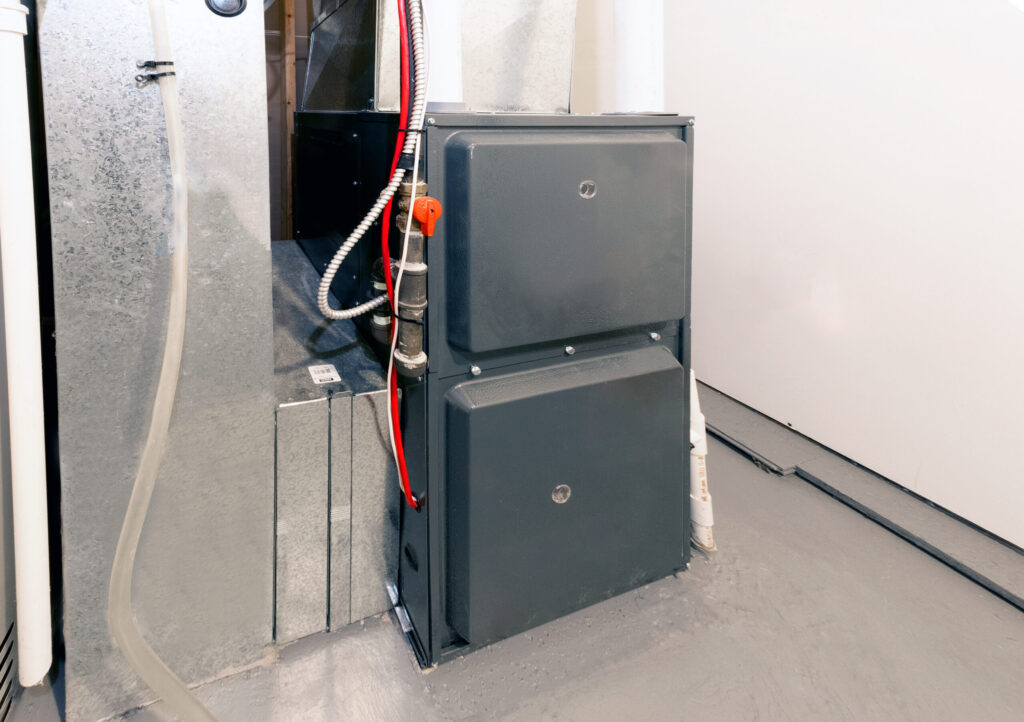
Heating problems can be a real headache, especially during the colder months. When your furnace isn’t working, it can disrupt your comfort and peace of mind.
Many homeowners face issues like the heater not turning on or the furnace not kicking on. These problems can be frustrating and often seem to occur at the worst possible times.
Understanding why your heater stopped working is the first step to finding a solution. Common issues include thermostat malfunctions, blocked vents, or power supply problems.
At UPRIGHT HVAC and Construction, we know how important it is to have a reliable heating system. Our goal is to help you address these issues quickly and efficiently.
In this guide, we’ll explore the top eight quick fixes for heating problems with home HVAC furnaces. These solutions are designed to be practical and easy to understand.
Whether you’re dealing with a furnace not turning on or heat not coming on in the house, we’ve got you covered. Our tips will help you troubleshoot and resolve common heating issues.
Regular maintenance and timely repairs can prevent many of these problems. By following our advice, you can ensure your heating system runs smoothly.
We understand the importance of getting things done right the first time, on a budget. That’s why we focus on providing lasting solutions that offer real value.
If you’re in Encino or the surrounding areas, UPRIGHT HVAC and Construction is here to help. Our team of experts is ready to assist with all your heating needs.
Don’t let heating problems disrupt your comfort. With our guidance, you can keep your home warm and cozy all winter long.
Understanding Common Heating Problems: Why Your Furnace Isn’t Working
Before fixing your heating issues, it’s crucial to understand the root cause. A non-functioning furnace can stem from various common problems.
Thermostat Issues: The thermostat controls your home’s temperature. Incorrect settings or malfunctioning can lead to the heater not kicking on.
Airflow Blockages: Clogged filters or obstructed vents can restrict airflow, causing the furnace to overheat or shut down.
Power Supply Problems: Check the circuit breaker and power switch. A tripped breaker or faulty switch can keep your furnace from turning on.
Gas Supply Interruptions: For gas furnaces, ensure the gas line is open and the pilot light is lit. Any disruption can cause the heater to stop working.
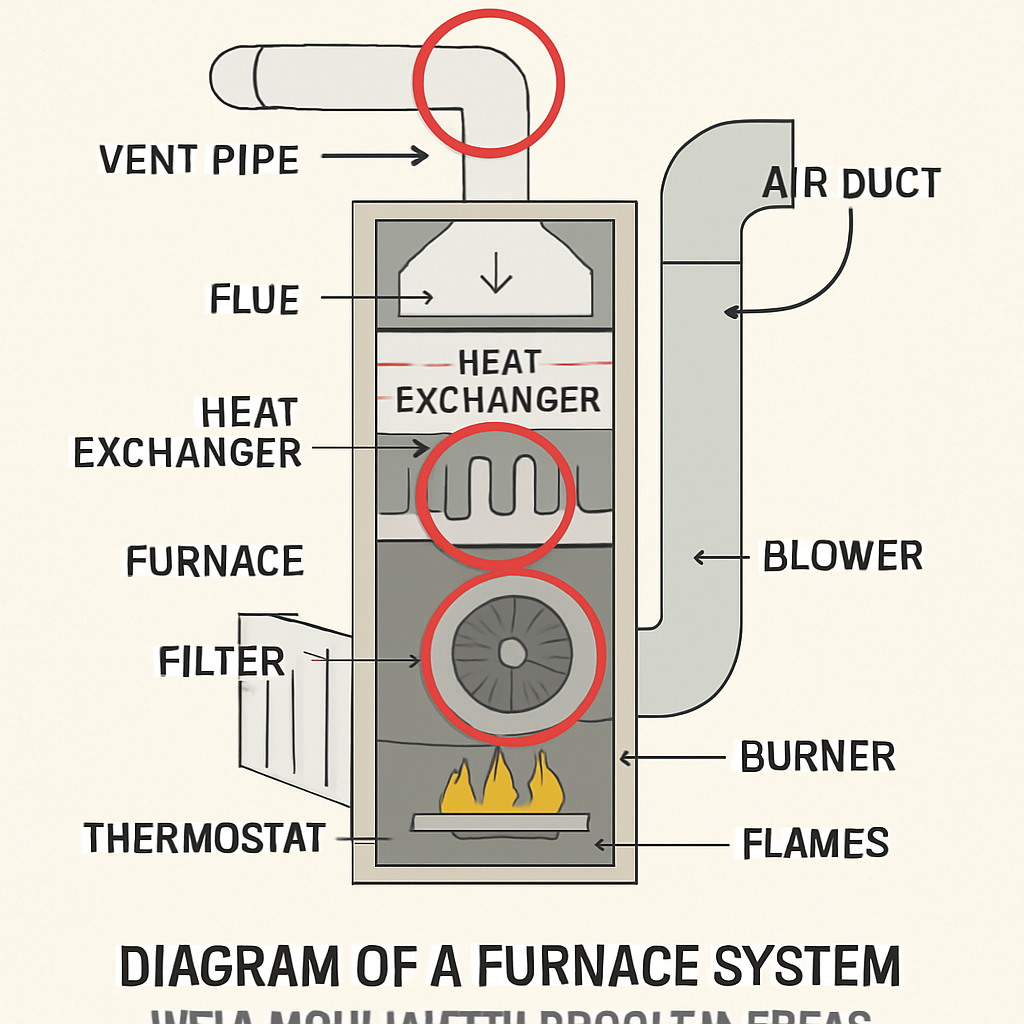
Mechanical Failures: Components like the blower motor and limit switch can wear out over time. Mechanical issues often require professional assessment.
Safety Switch Tripped: Modern furnaces have safety mechanisms to prevent overheating. These can trip due to obstructions or airflow problems.
Error Codes and Warnings: Many furnaces display error codes. These can provide insights into why the furnace isn’t heating properly.
Understanding these issues can guide you in resolving them efficiently. Here are some common reasons your furnace might not be working:
- Thermostat set incorrectly
- Dirty air filters
- Tripped circuit breaker
- Closed gas valve
- Blower motor failure
- Tripped safety switch
- Error code on the display
Identifying and troubleshooting these common problems can often save you time and money. However, some issues may require a professional’s touch. Remember, regular maintenance is key to preventing these problems from arising.
At UPRIGHT HVAC and Construction, we prioritize helping you maintain a reliable heating system. Our expertise ensures that your home remains warm and comfortable.
Quick Fix #1: Check and Adjust Your Thermostat
A faulty thermostat often explains why the heat is not coming on in the house. Checking your thermostat should be your first step.
Start Simple: Ensure the thermostat is set to “heat.” It’s easy to overlook such a simple setting, especially if you’ve just used the air conditioner.
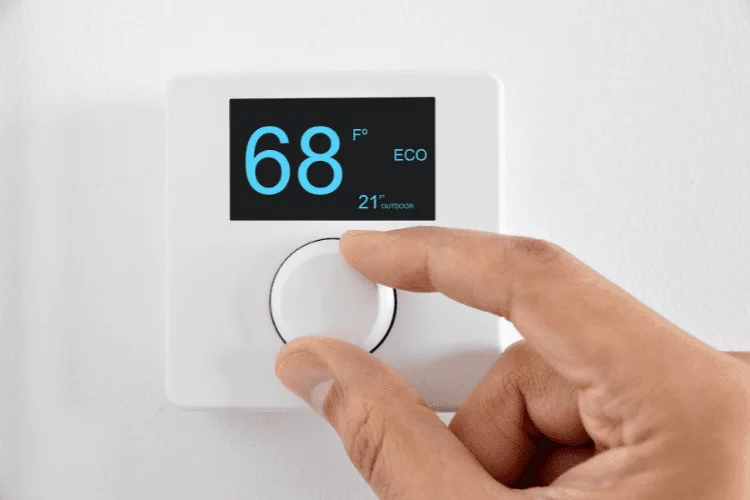
Temperature Setting: Increase the temperature setting a few degrees above the current room temperature. This action can engage the furnace if the thermostat communicates effectively with the system.
Battery Check: Some thermostats operate on battery power. Check if the batteries need replacement. Weak batteries might cause intermittent thermostat functions.
Connection Wires: Loose or corroded connections can cause the thermostat to fail. Inspect wiring behind the thermostat carefully. It’s advisable to switch off power beforehand.
Programmable Settings: If you use a programmable thermostat, confirm that scheduled settings haven’t changed accidentally. A sudden drop in temperature settings could explain why the heat won’t kick on.
Thermostat Location: Install the thermostat in an area unaffected by drafts or direct sunlight, which can cause inaccurate readings. These factors affect the home heater’s operation.
Dust and Debris: Dust can accumulate inside and on the thermostat’s sensors. Regular cleaning helps maintain its function and accuracy.
Professional Calibration: If regular checks don’t resolve the issue, the thermostat may need recalibration. Professional assistance ensures accuracy in reading room temperatures.
By reviewing these essential checks, you maximize the chances of your furnace not turning on being a simple fix. Monitor these elements:
- Thermostat setting
- Temperature adjustments
- Battery status
- Wire connections
- Scheduled programs
- Thermostat location
- Dust build-up
- Calibration needs
Regular examination of your thermostat prevents many problems related to heat not kicking on in the house. Consistent performance matters for year-round comfort.
For those needing further assistance, UPRIGHT HVAC and Construction is ready to help. We specialize in resolving complex thermostat issues efficiently.
Quick Fix #2: Inspect and Replace Air Filters
Air filters are vital for smooth furnace operation. They help keep dust and debris out of your HVAC system.
Regular Inspections: Perform monthly checks on your air filters. Dirty filters can restrict airflow, causing the heater not to heat effectively.
Replacement Frequency: Replace filters every three months, more frequently if you have pets. Pet hair and dander can accumulate quickly.
Signs of a Dirty Filter: If your furnace won’t turn on or if the heat is not working in the house, check the filter. A clogged filter can cause these issues.
Filter Types: Various filters, including fiberglass, pleated, and HEPA, serve different needs. Choose one suitable for your home environment and HVAC system.
Filter Size: Ensure the filter fits properly. Incorrect sizes can lead to poor filtration and airflow inefficiencies.
Installation Position: Pay attention to the airflow direction arrow when installing. Incorrect placement may compromise your furnace’s efficiency.
Cost-Effective Maintenance: Regularly replacing filters is inexpensive compared to potential system repairs. This small investment can prevent bigger problems.
Professional Guidance: Consult with professionals like UPRIGHT HVAC and Construction to select the best filter type for your needs.
Proper air filter maintenance is crucial for preventing heat not coming on in the house and ensuring consistent furnace performance. Address the following points regularly to maintain a healthy HVAC system:
- Monthly inspections
- Filter replacement every three months
- Awareness of filter types and appropriate sizes
- Correct installation
By maintaining clean air filters, you preserve both air quality and your heating system’s efficiency. When in doubt, it’s beneficial to seek advice from experts.
With UPRIGHT HVAC and Construction, rest assured that your heating system performs at its best. Contact us for more tips on ensuring optimal airflow in your home.
Quick Fix #3: Examine Circuit Breakers and Power Switches
A simple power interruption can halt your furnace operations. This is often easy to fix by examining your circuit breaker and switches.
Circuit Breaker Check: Locate your home’s circuit breaker. Identify the switch associated with your furnace.
Tripped Breaker: If the switch is not in the “on” position, the breaker may have tripped. Flip it off, then back on to reset.
Power Supply Issues: A frequent cause for the furnace not turning on is a lack of power. Ensure all power switches connected to the furnace are also turned on.
Switch Locations: Some furnaces have a power switch nearby that resembles a light switch. Verify it is flipped up to the “on” position.
Loose Wires: In rare cases, a loose connection within the breaker or switch may cause issues. This is less common but can be resolved by a professional.
Common Signs: Recognize signs like the furnace not kicking on or the heater stopped working. These could indicate a power supply problem.
Safety Precautions: Always practice safety when dealing with electrical components. Turning off power before checking for loose connections is essential.
Professional Assistance: If the breaker frequently trips, consult professionals like UPRIGHT HVAC and Construction. This could signify an overload or a more serious electrical issue.
Consider these steps to ensure your furnace is powered and ready to heat your home effectively:
- Check the circuit breaker and reset if needed.
- Verify that all furnace-related power switches are “on.”
- Inspect for any loose electrical connections.
- Be mindful of safety when handling electrical components.
The simple task of checking breakers and switches can be an effective means of addressing common heating issues. UPRIGHT HVAC and Construction can offer expert advice on how to maintain an efficient heating system safely.
Quick Fix #4: Ensure Gas Supply and Pilot Light Are On
Gas supply interruptions can be a major reason why your furnace isn’t functioning. Taking a few moments to inspect the gas line and pilot light could quickly resolve your heating issues.
Checking the Gas Valve: Begin by finding the gas valve near the furnace. Confirm it is in the “on” position, which aligns with the pipe, rather than across it.
Pilot Light Status: For older gas furnaces, the pilot light is crucial. If it’s out, this might be why your heater stopped working.
Relighting the Pilot: Most furnaces have instructions for relighting. Typically, you’ll need to turn the gas valve to “pilot,” hold a match or lighter near the valve, and depress a reset button until the pilot remains lit.
Automatic Ignition Systems: Newer models might employ automatic ignition rather than a pilot light. If your furnace has this system, ensure it’s functioning correctly.
Gas Supply Confirmations: Check other gas appliances like water heaters or stoves. If they’re working, the furnace may be a localized issue.
Odor Detection: Smelling gas is a sign of a potential leak, warranting immediate professional help. Always prioritize safety with gas odors.
Pilot Malfunctions: If the pilot light won’t stay lit, it might signal a dirty or malfunctioning component that needs attention.
Call a Professional: When unsure about handling gas or pilot light issues, calling a professional is advisable. UPRIGHT HVAC and Construction have experience ensuring safety and efficiency.
Ensuring gas supply is a vital step to keep your furnace running smoothly:
- Check if the gas valve is on.
- Confirm pilot light is lit or automatic ignition is functioning.
- Inspect for gas in other appliances to rule out broader issues.
Attention to these elements ensures safe and continuous heating for your home. If uncertain, contacting experts like UPRIGHT HVAC and Construction is wise to avoid risks.
Quick Fix #5: Clear Blocked Vents and Ducts
Blocked vents and ducts are common reasons for restricted airflow. This can result in your heater not heating effectively.
Initial Examination: Begin by walking through your home. Look at each vent and ensure that none are obstructed by furniture or other objects. Even partial blockages can impede proper airflow.
Duct Accessibility: Ducts, often hidden within walls or under floors, can gather dust and debris. If you suspect a blockage, a professional cleaning might be necessary.
Signs of Blockage: Common indicators include unusual sounds coming from vents or noticeable cold spots in certain rooms. These signs suggest an airflow imbalance.
Regular Cleaning: To avoid blockages, regular cleaning of your vents and ducts is essential. This maintenance ensures efficient heating and reduces unnecessary strain on your HVAC system.
Filter Implications: While examining vents, double-check that air filters are not overly clogged, as this can lead to similar issues.
Tools for the Task: A vacuum cleaner with a hose attachment can be handy for clearing visible blockages. For deeper cleaning, consider professional duct cleaning services.
Energy Efficiency: Clear vents and ducts not only restore heat but also improve energy efficiency. This can help reduce your monthly heating bills.
When to Seek Help: If blockages persist or you encounter significant buildup, professional inspection and cleaning from companies like UPRIGHT HVAC and Construction is advisable.
Maintaining open and clean ducts and vents involves:
- Checking for furniture or curtain blockages.
- Listening and checking for unusual ventilation sounds.
- Regularly cleaning ducts and vents.
Proactive duct maintenance ensures your home remains warm, comfortable, and energy-efficient throughout the winter months. When in doubt, expert services from UPRIGHT HVAC and Construction can tackle the toughest blockages.
Quick Fix #6: Reset the Furnace and Check Safety Switches
Resetting your furnace can often resolve minor glitches. It’s a simple step but crucial in troubleshooting.
Furnace Reset Button: Most furnaces have a reset button. It’s usually red and located near the motor housing or blower compartment.
Steps to Reset: Start by shutting off the power to the furnace. Next, press and hold the reset button for about 30 seconds. Then, restore the power.
Power Surges: Occasional power surges may trigger a reset. This function protects the system from damage. Be sure everything’s back in order before restarting.
Safety Switches Overview: Furnaces come equipped with safety switches to prevent overheating and other hazards. These switches might need checks if your furnace stops unexpectedly.
Types of Safety Switches: Common ones include the flame rollout switch, the pressure switch, and the limit switch. Each serves a safety-specific function.
Locating Safety Switches: Typically, safety switches are inside the control panel. Always ensure the furnace is off before access.
Functional Checks: Look for any signs of damage or wear on the switches. Reset them if tripped, but if issues persist, consulting a professional is wise.
Avoiding Frequent Resets: If you find yourself resetting the furnace frequently, this could indicate deeper issues. It’s essential to diagnose the root cause.
Maintaining and checking safety switches involves:
- Turning off and on the power for resetting.
- Identifying and inspecting each safety switch.
- Seeking professional help if resetting doesn’t solve the issue.
Regularly inspecting and resetting your furnace, particularly after any power hiccups, can eliminate small troubles and keep your HVAC running smoothly. For persistent problems or if you’re unsure, reach out to UPRIGHT HVAC and Construction for expert assistance.
Quick Fix #7: Listen for Unusual Noises and Inspect Blower Components
Unusual noises from your furnace could be a sign of trouble. Listening carefully is key to early detection.
Common Noise Culprits: Rattling, squealing, or banging sounds are common. Each noise hints at different issues.
Rattling Noises: Rattling might mean loose screws or components. Check the furnace panels and tighten them.
Squealing Sounds: A squealing noise often signals a worn-out belt in the blower motor. Blower belts can wear over time and may need replacement.
Banging Noises: A bang when the furnace starts might indicate delayed ignition. This can be risky, requiring prompt attention.
Inspect Blower Components: The blower is a crucial part of your furnace system. It circulates warm air through your home.
Key Blower Parts: The blower includes the motor, belt, and fan blade. Each part needs regular inspection.
Inspection Steps: Turn off the furnace and remove the blower cover. Look for wear, damage, or loose components. Checking components helps in avoiding major malfunctions.
Beyond DIY Fixes: While you can address minor issues yourself, persistent or louder noises should lead you to call a professional. UPRIGHT HVAC and Construction offers expert diagnostics and repairs.
Listening and acting on these noises involve:
- Identifying the type of noise and potential problem.
- Conducting a visual inspection for obvious issues.
- Getting professional help for persistent or complex problems.
By regularly checking your furnace for unusual sounds and examining its blower components, you can avoid costly repairs and extend the life of your heating system. Listening to your furnace not only keeps you warm but also safe during those chilly months.
Quick Fix #8: Look for Error Codes and Furnace Display Warnings
Modern furnaces often come equipped with digital displays. These digital indicators offer valuable insights when things go wrong.
Interpreting Error Codes: Error codes are like a language. They tell you where the problem might be.
Understanding the Codes: Each error code corresponds to a specific issue. Consult your furnace manual for a detailed guide.
Code Categories: Common codes might point to ignition failures, airflow issues, or sensor errors. Understanding which issue the code references speeds up troubleshooting.
Responding to Codes: Once you identify the error code, you can address simple fixes. Some issues may require restarting the system or checking connections.
Furnace Display Warnings: Besides codes, warnings often flash or beep. These signals urge you to take prompt action.
Steps to Take: A blinking light or sound often signifies a critical fault. This means you should not delay in looking it up.
When DIY Doesn’t Cut It: If codes persist or escalate, it’s time to get a professional. Attempting fixes beyond your skill level can void warranties or lead to further damage.
UPRIGHT HVAC and Construction Expertise: Our team deciphers these warnings efficiently. We ensure your heating system runs smoothly and effectively.
Handling error codes and display warnings involves:
- Familiarizing yourself with common codes and their meanings.
- Acting quickly on warnings to prevent further issues.
- Seeking professional help if the issue persists or is complex.
By relying on these digital alerts, homeowners can swiftly pinpoint problems and ensure efficient furnace operation. Staying attentive to your furnace’s display can save both time and money.
When to Call a Professional: Signs You Need Expert Help
Homeowners can tackle many furnace issues themselves. However, knowing when to seek professional expertise is equally important.
Persistent Issues: If your furnace issues persist despite basic troubleshooting, it’s time to call in a professional. Recurring problems might indicate underlying issues that require specialized knowledge.
Unusual Smells: Strange odors, such as burning or gas, are serious. Gas smells could indicate a potentially dangerous leak. You should contact a technician immediately in these situations.
Frequent Cycling: A furnace that frequently turns on and off, known as short cycling, can signal thermostat issues or airflow restrictions. These require expert diagnosis and repair to prevent system strain.
Lack of Heat: If your home remains cold despite the furnace running, professional assessment is crucial. The problem could stem from various causes, including fuel or mechanical failures.
Electrical Issues: Tripping circuit breakers or unusual electrical noises suggest wiring troubles. These present a risk of fire or major damage, needing urgent expert intervention.
Strange Noises: Sounds like banging, screeching, or grinding are red flags. Such noises often indicate mechanical parts nearing failure.
Here’s when to consider expert help:
- Persistent or unresolved furnace issues.
- Unusual or strong odors, especially gas.
- Short cycling or irregular heating.
- Electrical malfunctions or noises.
Why Choose UPRIGHT HVAC and Construction: Our expertise ensures a thorough evaluation and repair of your heating systems. We pride ourselves on resolving issues swiftly and efficiently, keeping your home comfortable and safe.
Preventative Maintenance Tips for Reliable Heating
A proactive approach to furnace maintenance can prevent many common issues. Routine care ensures your heating system performs efficiently and reliably.
Schedule Annual Inspections: Regular professional inspections detect potential problems early. They help maintain optimal performance and extend the lifespan of your furnace.
Replace Filters Regularly: Dirty air filters block airflow, decreasing efficiency. Replacing or cleaning filters every 1-3 months can improve air quality and system performance.
Monitor Thermostat Settings: Keeping an eye on your thermostat settings can save energy and prevent the system from overworking.
Inspect Vents and Ducts: Regularly check that vents and ducts are unblocked. Ensure air can flow freely throughout your home.
Check for Leaks: Inspect the furnace and surrounding areas for any signs of gas or water leaks. Address these immediately to prevent safety hazards or damage.
Listen for Changes: Pay attention to your furnace. New noises can indicate mechanical issues that need swift attention.
Essential Maintenance Tasks Include:
- Scheduling regular professional inspections.
- Replacing air filters every 1-3 months.
- Ensuring vents and ducts are clear.
- Monitoring for unusual noises or leaks.
At UPRIGHT HVAC and Construction, we offer tailored maintenance plans. Our services are designed to keep your heating system efficient and reliable.
Why Choose UPRIGHT HVAC and Construction for Your Heating Needs
Finding a trustworthy HVAC service provider can be daunting. UPRIGHT HVAC and Construction stands out for its excellence and reliability. With over 15 years of industry expertise, we deliver top-notch service and solutions.
Personalized Service: Every home is unique, and so are your heating needs. We tailor our services to meet your specific requirements effectively.
Experienced Technicians: Our team comprises seasoned professionals. They bring vast experience to tackle any heating challenge, ensuring quality and efficiency.
Fair Pricing: At UPRIGHT HVAC, we offer transparent pricing. You won’t face unexpected charges, and we ensure every dollar adds value.
Commitment to Quality: We use only high-quality parts and materials. Our installations and repairs are built to last, saving you from recurrent costs.
Customer Satisfaction: We prioritize your comfort and peace of mind. Satisfied clients are a testament to our dedication to service excellence.
Our Key Benefits Include:
- Personalized solutions for unique heating needs.
- Experienced, skilled technicians.
- Transparent and fair pricing.
- High-quality, durable parts.
- Customer-focused service and support.
Choose UPRIGHT HVAC and Construction for all your heating needs. Trust our expertise to keep your home warm and comfortable year-round.
Conclusion: Stay Warm and Worry-Free With UPRIGHT HVAC and Construction
Ensuring your home stays warm during cold months doesn’t have to be a hassle. At UPRIGHT HVAC and Construction, we offer reliable solutions tailored to your specific needs. Our team is dedicated to resolving your heating problems efficiently.
We understand the frustration of dealing with unexpected furnace issues. That’s why we focus on providing lasting results on a budget. Trust in our expertise to deliver exceptional service and quality.
With over 15 years in the industry, UPRIGHT HVAC and Construction prioritize customer satisfaction. Our certified professionals are ready to handle everything from routine maintenance to emergency repairs. You’re never alone in addressing your home heating challenges.
Here’s why you should choose UPRIGHT HVAC and Construction:
- Skilled technicians with extensive HVAC expertise
- Transparent pricing with no hidden costs
- Prompt service with lasting results
For dependable heating solutions and worry-free living, trust UPRIGHT HVAC and Construction. Let us keep your home comfortable year-round, allowing you to focus on what truly matters.
Troubleshoot your Home HVAC Furnaces start with thermostat settings, power checks, filter and vent cleaning, then consider deeper diagnostics or pro help to keep heat flowing efficiently.
FAQ: