- Why HVAC maintenance matters for your energy bills
- How regular service prevents costly repairs and breakdowns
- How maintenance extends lifespan and improves indoor air quality
- Your HVAC maintenance checklist and how often to schedule service
- Key takeaways
- What 15 years of HVAC work taught me about skipping maintenance
- How Upright Construction & HVAC keeps your system running right
- FAQ
- Recommended
TL;DR:
- Regular HVAC maintenance enhances system efficiency, reduces energy bills, and extends the equipment’s lifespan.
- Neglecting routine inspections increases repair costs, safety risks, and shortens the system’s effective service years.
HVAC maintenance is the routine care and inspection that keeps your heating and cooling systems running efficiently and safely year-round. Most homeowners in Los Angeles don’t think about their HVAC system until something breaks. That’s the most expensive mistake you can make. Well-maintained systems use 20-40% less energy and can save you $1,500 to $3,000 over a decade. Neglected systems fail three to five times more expensively and die years earlier than they should. The importance of HVAC maintenance isn’t just about comfort. It’s about protecting one of the largest mechanical investments in your home.
Why HVAC maintenance matters for your energy bills
Your HVAC system works harder than it needs to when it’s dirty or poorly tuned. Dirty filters restrict airflow, forcing the fan motor to strain. Grimy coils can’t transfer heat efficiently. Low refrigerant makes the compressor work overtime. Each of these issues compounds quietly over months, and you feel it in your utility bill before you ever notice a performance problem.
The numbers are real. Preventive maintenance reduces energy consumption by 10 to 15% annually and delivers a 545% return on investment over the life of the equipment. That’s not a marketing claim. That’s the math of avoiding waste. For a typical Los Angeles home running central air most of the year, even a 10% reduction in energy use adds up to hundreds of dollars annually.
Here’s what drives those savings when you stay on top of maintenance:
- Filter changes every 1 to 3 months reduce motor strain and keep airflow clean
- Coil cleaning each season restores heat transfer efficiency that dirt quietly destroys
- Refrigerant level checks prevent the compressor from running in conditions that shorten its life
- Blower and belt inspections catch mechanical wear before it becomes a breakdown
Pro Tip: Change your air filter yourself every 30 days during peak cooling or heating season in Los Angeles. It takes two minutes and directly reduces motor strain on the most expensive components in your system.
Pairing your HVAC upkeep with other home efficiency measures also compounds the savings. Energy-efficient window treatments like cellular shades reduce the thermal load your system has to manage, meaning your maintained system runs even fewer cycles to keep your home comfortable.
How regular service prevents costly repairs and breakdowns
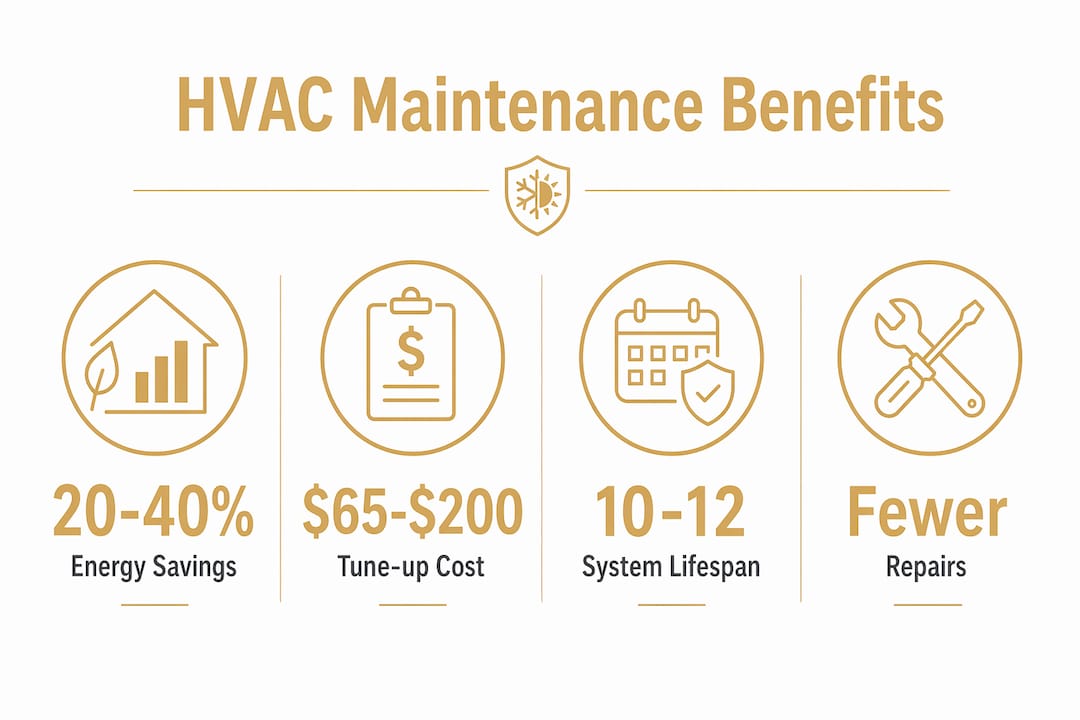
A professional HVAC tune-up costs between $65 and $200 per visit. An emergency compressor replacement or full system failure costs $2,000 to $4,000 or more. Preventive maintenance reduces system downtime by 73% and can extend your system’s lifespan from 12 years to over 20. The math is not complicated. One skipped tune-up can set you up for a repair bill that wipes out years of savings.
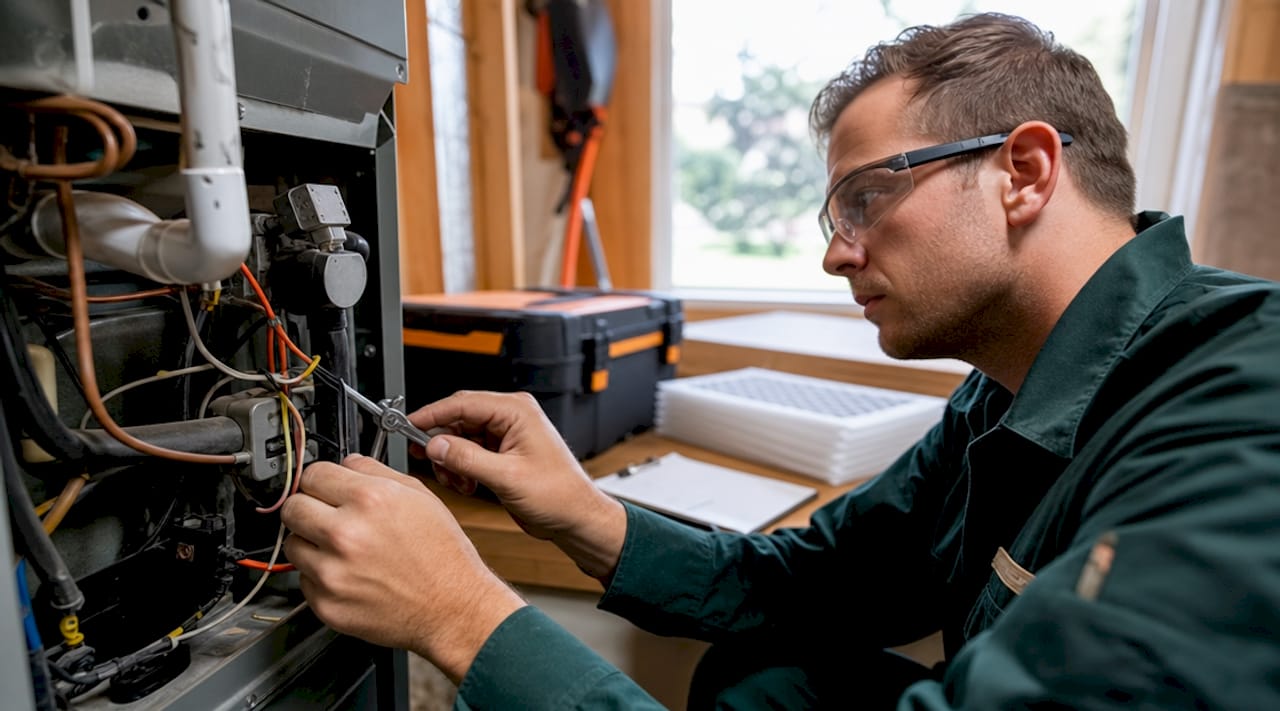
What makes this especially frustrating is that most major failures start as small, cheap problems. A $20 failed relay left undetected causes $2,000 in compressor damage. Even a thin layer of dust on coils reduces efficiency by up to 21%. These aren’t dramatic failures. They’re quiet, invisible problems that a trained technician catches in 30 minutes during a scheduled visit.
Here’s what a professional inspection typically catches before it becomes a crisis:
- Worn capacitors and contactors that are weeks away from failing
- Refrigerant leaks that strain the compressor and reduce cooling
- Cracked or corroded electrical connections that create fire risk
- Loose belts and bearings that cause vibration and premature wear
- Blocked condensate drains that lead to water damage and mold
Pro Tip: Pay attention to three early warning signs: your system running longer cycles than usual, unusual sounds during startup, and rooms that take longer to reach your set temperature. Any one of these is worth a call before it becomes an emergency.
Warranty compliance is another reason the cost savings HVAC maintenance provides go beyond the repair bill itself. Manufacturer warranties require documented service records to remain valid. Brands like Carrier specify annual professional servicing as a condition of coverage. If your system fails and you can’t show maintenance records, you’re paying the full repair cost out of pocket regardless of how new the equipment is.
| Scenario | Typical Cost |
|---|---|
| Annual professional tune-up | $65 to $200 |
| Emergency repair (compressor, motor) | $2,000 to $4,000+ |
| Full system replacement (premature) | $5,000 to $12,000+ |
| Decade of maintained operation savings | $1,500 to $3,000 |
Understanding why heating maintenance saves money goes well beyond the tune-up fee. It’s the difference between a system that lasts 20 years and one that fails at 10.
How maintenance extends lifespan and improves indoor air quality
The average HVAC system lasts 10 to 12 years without consistent care. With a proper maintenance schedule, that same system routinely reaches 15 to 20 years or more. That’s not a minor difference. Replacing a central HVAC system in Los Angeles costs $5,000 to $12,000 depending on the size and equipment. Extending your system’s life by even five years is a significant financial win.
The mechanism is straightforward. Clogged air filters increase fan motor strain by 15 to 20%, accelerate wear on the most expensive components, and degrade indoor air quality by circulating allergens and mold spores throughout your home. Regular filter changes protect the motor, the coil, and the air your family breathes.
The health dimension of HVAC upkeep is one that most homeowners underestimate. A dirty system doesn’t just run less efficiently. It actively distributes dust, pet dander, pollen, and mold spores through every room. For families with asthma or allergies, this is a direct health issue, not just a comfort issue.
“A system can run unsafely or inefficiently without any visible signs. No news is not good news when it comes to HVAC performance.” — West Coast Heating & Air
Safety is the most serious dimension of this. Routine HVAC inspections detect cracked heat exchangers that risk carbon monoxide leaks. Carbon monoxide is odorless and colorless. A furnace running with a cracked heat exchanger shows no obvious symptoms until someone in your home gets sick. A professional inspection catches this in minutes. Skipping it is a risk no homeowner should take.
Your HVAC maintenance checklist and how often to schedule service
Knowing the benefits of HVAC service is one thing. Knowing exactly what to do and when is what actually protects your system. Here’s a practical schedule that covers both DIY tasks and professional service:
- Every 1 to 3 months: Replace air filters. Use MERV 8 to 11 rated filters for the best balance of airflow and filtration in a residential system.
- Each spring: Clear debris from the outdoor condenser unit, straighten bent fins, and check that the unit is level. Schedule a professional AC tune-up before peak cooling season.
- Each fall: Inspect and clean the furnace or heat pump before heating season. Check vents and registers for blockages. Schedule a professional heating tune-up.
- Twice per year (professional visits): Industry standards recommend two professional visits annually plus filter changes every 1 to 3 months. Skipping seasonal check-ups causes efficiency to drop 1 to 5% every year from accumulated dirt and debris.
- Ongoing: Keep a maintenance log. Record every filter change, professional visit, and any unusual behavior. This documentation protects your warranty and adds value when you sell your home.
Pro Tip: Use a scheduling app or a simple calendar reminder to automate your filter change dates. The biggest reason homeowners skip filter changes isn’t laziness. It’s that they forget. Set a recurring reminder and the task takes care of itself.
A preventive HVAC maintenance guide walks through the full scope of what professional technicians check during each visit, which helps you understand what you’re paying for and what questions to ask.
The annual HVAC inspection is the cornerstone of this schedule. It’s not just about cleaning. A skilled technician records measured values like refrigerant pressure, voltage draws, and temperature differentials. Tracking these values over time allows them to predict failures before they happen, which is far more valuable than a simple pass/fail checklist.
Key takeaways
Regular HVAC maintenance is the single most cost-effective action a homeowner can take to reduce energy bills, prevent expensive repairs, and extend system life by five to ten years.
| Point | Details |
|---|---|
| Energy savings are measurable | Maintained systems use 20 to 40% less energy, saving $1,500 to $3,000 over a decade. |
| Maintenance prevents major repairs | A $65 to $200 tune-up prevents $2,000 to $4,000 emergency repair bills. |
| Lifespan nearly doubles | Consistent service extends system life from 10 to 12 years up to 15 to 20 years. |
| Indoor air quality improves | Regular filter changes reduce allergens, mold spores, and dust circulating through your home. |
| Warranty and safety depend on it | Documented service keeps manufacturer warranties valid and detects carbon monoxide risks early. |
What 15 years of HVAC work taught me about skipping maintenance
I’ve been in homes across Los Angeles for over 15 years, and I can tell you the pattern is almost always the same. The homeowners who call us in a panic in July, with a failed compressor and a house at 95 degrees, are almost never the ones who had their system serviced in the spring. It’s not a coincidence.
The myth I hear most often is that if the system is running, it’s fine. That’s exactly backwards. A system can be losing efficiency for months, quietly wearing down components, and circulating poor air quality without any obvious sign. By the time you notice something is wrong, the damage is already done.
What I tell every homeowner I work with is this: treat your HVAC system the way you treat your car. You don’t wait for the engine to seize before you change the oil. The same logic applies here. Two professional visits a year and a filter change every month or two is genuinely all it takes to keep most systems running well for 20 years.
The other thing I’ve learned is that choosing the right service provider matters as much as the schedule itself. A technician who records actual measurements and explains what they found is worth far more than one who shows up, glances at the unit, and hands you a bill. Transparency in diagnostics is what separates a real maintenance visit from a checkbox exercise.
— Ernie M
How Upright Construction & HVAC keeps your system running right
At Upright Construction & HVAC, we’ve built our reputation in Los Angeles on exactly the kind of proactive, transparent service this article describes. Our maintenance visits include full diagnostic measurements, written documentation for your warranty records, and honest recommendations without upselling work you don’t need.

Whether your system needs a seasonal tune-up, a filter inspection, or you’re dealing with a heating issue that’s been nagging you all season, we’re ready to help. Our furnace repair and maintenance services cover everything from quick fixes to full system evaluations, with 24/7 availability for emergencies. Call Upright Construction & HVAC today to schedule your next maintenance visit and get ahead of the problems before they cost you.
FAQ
How often should I schedule HVAC maintenance?
Schedule professional HVAC service twice a year, once in spring before cooling season and once in fall before heating season. Change your air filter every one to three months depending on usage and household conditions.
What does HVAC maintenance actually cost?
A professional tune-up typically costs $65 to $200 per visit. That investment prevents emergency repairs that commonly run $2,000 to $4,000 or more for major component failures.
Can skipping maintenance void my HVAC warranty?
Yes. Manufacturers like Carrier require documented annual professional service to keep warranties valid. Missing service records often means paying full repair costs out of pocket even on newer equipment.
How much energy can I save with regular HVAC service?
Well-maintained systems use 20 to 40% less energy than neglected ones. Preventive maintenance programs reduce annual energy consumption by 10 to 15% and can save homeowners $1,500 to $3,000 over a decade.
What are the biggest risks of skipping HVAC maintenance?
The most serious risk is a cracked heat exchanger that leaks carbon monoxide without any visible warning signs. Beyond safety, neglected systems fail three to five times more expensively and have lifespans eight to ten years shorter than maintained systems.