- What is preventive HVAC maintenance and what does it include?
- Why preventive HVAC maintenance matters for your budget and comfort
- How often should you schedule preventive HVAC maintenance?
- DIY HVAC maintenance tips and when to call a professional
- Key takeaways
- Why I tell every homeowner the same thing on the first visit
- Let Upright Construction & HVAC handle your preventive maintenance
- FAQ
- Recommended
TL;DR:
- Preventive HVAC maintenance involves routine inspections, cleaning, and servicing to keep systems running efficiently and avoid costly breakdowns. Homeowners can handle tasks like filter replacement and condenser rinsing, but professional checks are necessary for refrigerant and electrical testing to ensure safety and warranty compliance. Regular biannual service reduces emergency repairs, extends equipment lifespan, and saves money by maintaining optimal energy efficiency.
Preventive HVAC maintenance is defined as a scheduled, routine program of inspections, cleaning, and servicing designed to keep your heating and cooling system running safely and efficiently before problems develop. The industry standard term for this practice is “planned preventive maintenance,” and it applies to everything from your central air conditioner to your furnace and heat pump. Professional inspections twice a year, once in spring for cooling and once in fall for heating, are the baseline recommendation for most residential systems. Done consistently, this practice reduces breakdowns, lowers your monthly energy bills, and extends the life of equipment that costs thousands of dollars to replace.
What is preventive HVAC maintenance and what does it include?
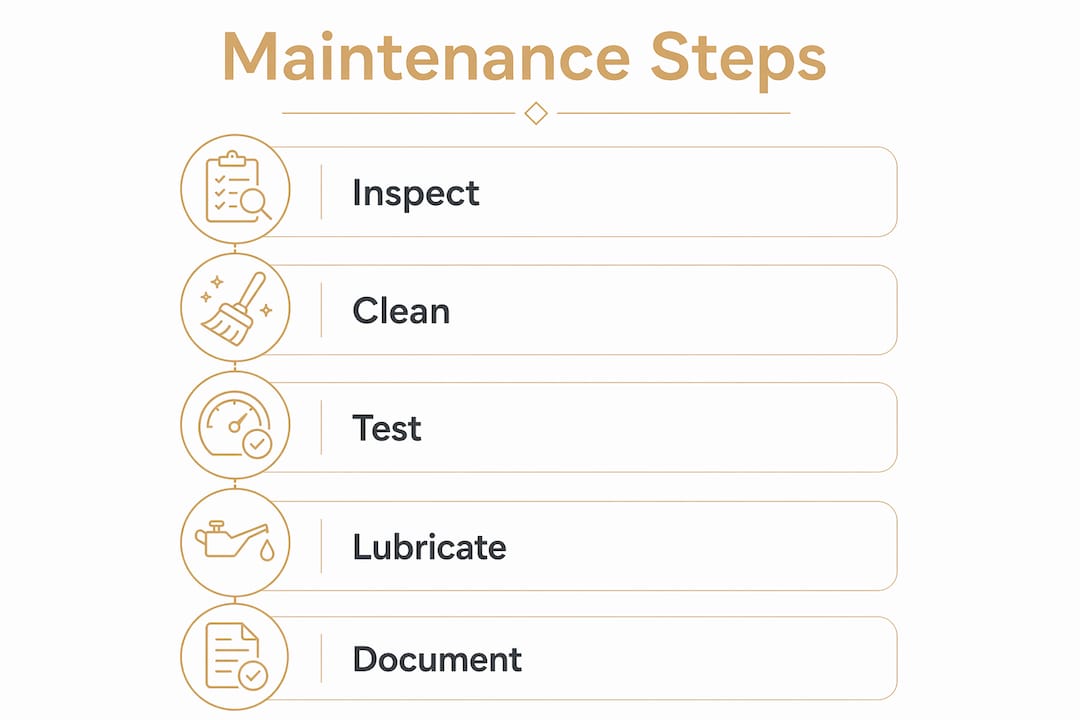
Preventive HVAC maintenance covers every routine task that keeps your system healthy between breakdowns. The goal is not to fix what is already broken. The goal is to stop things from breaking in the first place. Think of it the way you think about oil changes for your car. You do not wait for the engine to seize before you act.
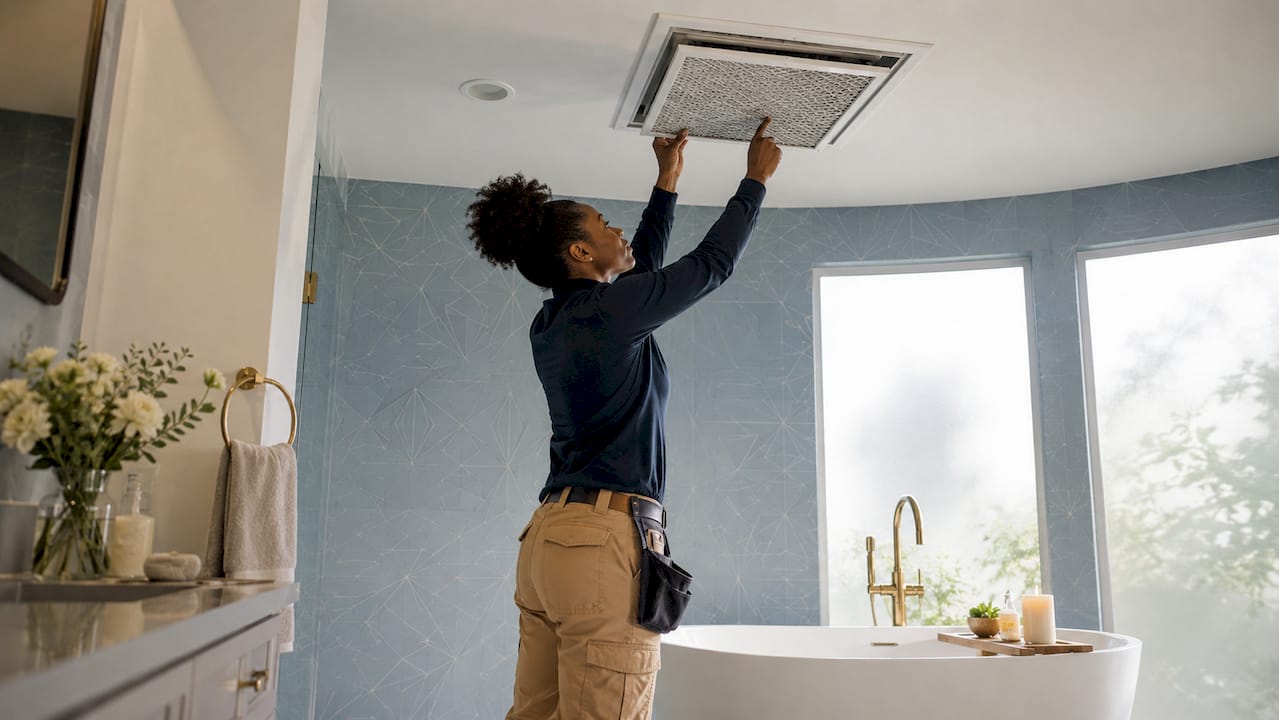
The core tasks fall into two categories: things you can do yourself and things that require a licensed technician. Understanding the difference saves you money and keeps your warranty intact.
Tasks homeowners and property managers can handle
- Air filter replacement or inspection. Dirty filters cause nearly half of all summer no-cool service calls, and a replacement filter costs about $15. Check monthly and swap every one to three months depending on pets, dust levels, and allergies.
- Outdoor condenser coil rinsing. Use a garden hose from the inside out to flush debris. Never use a pressure washer on condenser fins. Bent fins restrict airflow permanently and raise your energy use.
- Condensate drain line treatment. Pour a 1:1 solution of distilled white vinegar and water into the drain line quarterly to prevent algae buildup and emergency shutdowns.
- Thermostat battery replacement. Replace batteries each fall before heating season. Test all modes, including heat, cool, and fan, to catch calibration issues early.
- Visual inspection of refrigerant line insulation. Check the foam insulation on the copper lines running to your outdoor unit. Cracked or missing insulation reduces efficiency and signals potential refrigerant issues worth flagging for a technician.
Tasks that require a licensed professional
Refrigerant pressure checks, capacitor testing, combustion analysis on gas furnaces, and electrical connection tightening all require tools and certifications that go beyond DIY. Attempting these without training risks personal injury and equipment damage.
Pro Tip: Take a photo of your air filter each time you change it and save the images in a dated folder on your phone. Over two or three seasons, you will see patterns in how quickly filters load up, which tells a technician a lot about your home’s air quality and duct condition before they even open the unit.
Why preventive HVAC maintenance matters for your budget and comfort
The financial case for routine HVAC upkeep is straightforward once you see the numbers. Consistent preventive maintenance reduces emergency repairs by about 65%, extends equipment life by 30 to 40%, and improves energy efficiency by 15 to 20%. That efficiency gain alone can translate to meaningful savings on your utility bill every single month.
“85% of HVAC system repairs are preventable with routine preventive maintenance. Waiting for a complete unit failure tends to increase labor costs and risks warranty coverage denial.” — HVAC preventive maintenance data
That statistic should change how you think about skipping a tune-up. Most manufacturers also require documented proof of regular service to honor warranty claims. If your compressor fails at year four of a ten-year warranty and you cannot show a service history, the manufacturer can deny coverage. That is a multi-thousand-dollar mistake that a $200 annual checkup prevents.
Safety is the other side of this equation that homeowners often overlook. Carbon monoxide detectors have a sensor lifespan of about seven years, after which the sensor degrades even if the unit still beeps when tested. A furnace tune-up is the right time to verify your CO detector is still within its service life. Gas leak detection and heat exchanger inspection are also part of a proper fall heating checkup, and these are not tasks to defer.
The importance of HVAC upkeep becomes especially clear when you consider that neglected systems fail up to 40% more often during peak seasons, which is exactly when you need them most and when emergency service rates are highest.
How often should you schedule preventive HVAC maintenance?
The standard recommendation is at least twice per year. Spring prepares your air conditioner for summer demand. Fall prepares your furnace or heat pump for winter. That two-visit schedule works well for most homes in moderate climates with newer equipment.
Several factors push that frequency higher:
- Extreme climate zones. In Los Angeles, air conditioners run hard from April through October. That extended season puts more wear on compressors, capacitors, and coils than a system in a milder region experiences.
- Older equipment. Systems over ten years old benefit from quarterly inspections rather than biannual ones. Components like capacitors and contactors wear faster in aging units.
- Pets, allergies, or high dust environments. These conditions load filters faster and push debris into coils more quickly, requiring more frequent attention.
- Rental properties and multi-unit buildings. Property managers often adopt monthly filter checks and quarterly drain line treatments as standard protocol because tenant behavior and occupancy rates vary.
The difference between preventive and predictive maintenance is worth knowing here. Preventive maintenance runs on a fixed schedule regardless of system condition. Predictive maintenance uses sensor data and performance readings to trigger service only when measurements drift outside normal ranges. Most residential homeowners use preventive schedules. Larger commercial properties increasingly use predictive systems. For the typical homeowner, a detailed maintenance log with dates, filter brands, technician names, and observations is the closest practical equivalent to predictive monitoring.
DIY HVAC maintenance tips and when to call a professional
Knowing where your responsibility ends and a technician’s begins is one of the most useful things you can take away from this article. Doing too little leaves your system vulnerable. Doing too much, incorrectly, can cause real damage.
Safe DIY tasks for most homeowners include:
- Swapping air filters on a regular schedule
- Rinsing the outdoor condenser unit with a garden hose each spring
- Replacing thermostat batteries before each heating and cooling season
- Keeping two feet of clearance around the outdoor unit by trimming vegetation
- Checking that supply and return vents are open and unobstructed
Signs that you need a professional right away include ice forming on the refrigerant lines, unusual grinding or squealing sounds, a sudden spike in your energy bill without a change in usage, or any smell of burning plastic or gas near the unit. These are not situations where a filter swap will help. These are situations where waiting costs more money and creates safety risk.
A proper professional tune-up typically costs between $150 and $250 and takes one to two hours. It covers refrigerant pressure checks, electrical testing, coil cleaning, and a full safety inspection. Be cautious of heavily discounted $59 specials. These often involve a superficial visual check designed to identify upsell opportunities rather than genuine preventive care.
For homeowners who want to learn more about when repairs become necessary, understanding the boundary between maintenance and repair helps you have more informed conversations with your technician and avoid being oversold.
Pro Tip: Before a technician arrives, write down any unusual sounds, smells, or performance changes you have noticed since the last visit. Even small observations, like the system taking longer to reach temperature, give a skilled technician a diagnostic head start and often shorten the service call.
Key takeaways
Preventive HVAC maintenance is the single most cost-effective action a homeowner or property manager can take to protect their heating and cooling investment and avoid emergency repair costs.
| Point | Details |
|---|---|
| Schedule twice yearly at minimum | Spring and fall visits cover both cooling and heating systems before peak demand seasons. |
| Filter changes prevent most failures | Dirty filters cause nearly half of summer no-cool calls and cost about $15 to fix proactively. |
| Maintenance extends equipment life | Routine service extends system lifespan by 30 to 40% and cuts emergency repairs by about 65%. |
| Documentation protects your warranty | Keeping a service log with dates and technician records supports manufacturer warranty claims. |
| Know the DIY limits | Coil rinsing and filter swaps are safe DIY tasks; refrigerant and electrical work require a licensed pro. |
Why I tell every homeowner the same thing on the first visit
I have been in HVAC for over 15 years, and the call I get most often is not a breakdown. It is a homeowner calling in July, sweating, telling me their system just stopped working and they have not had it serviced in three years. Every time, I think the same thing: this one was preventable.
The mistake most people make is treating their HVAC system like a light switch. They assume it will work until it does not, and then they call someone. What they do not see is the slow compounding of small problems. A slightly dirty coil reduces efficiency a little. A loose electrical connection creates a little heat. A clogged drain line backs up a little. None of these feel urgent until they all fail at once on the hottest day of the year.
What I have found actually works is treating HVAC maintenance the way you treat a dentist appointment. You do not go because your tooth hurts. You go to make sure it never does. The homeowners I work with who follow a consistent annual inspection schedule almost never call me for emergencies. The ones who skip it call me in crisis mode.
The other thing I want to say is this: documentation matters more than most people realize. I have seen warranty claims denied because a homeowner could not prove service history. Keeping a simple log, even a note in your phone, protects thousands of dollars in coverage. That is not extra work. That is financial risk management.
— Ernie M
Let Upright Construction & HVAC handle your preventive maintenance
If you are in the Los Angeles area and want the peace of mind that comes with professional preventive care, Upright Construction & HVAC is ready to help. With over 15 years serving homeowners in Reseda, Encino, and surrounding communities, our team delivers thorough tune-ups that cover every item on a proper HVAC maintenance checklist, from refrigerant pressure checks to safety inspections and detailed service documentation.

We offer preventive HVAC maintenance in Los Angeles with transparent pricing, no upsell pressure, and 24/7 support when you need it. Homeowners and property managers across the San Fernando Valley trust us to keep their systems running efficiently year-round. Schedule your seasonal checkup today and stop paying for problems that should never happen.
FAQ
What is preventive HVAC maintenance in simple terms?
Preventive HVAC maintenance is a scheduled program of cleaning, inspecting, and servicing your heating and cooling system before problems develop. It typically includes filter changes, coil cleaning, electrical checks, and safety inspections performed at least twice a year.
How much does a professional HVAC tune-up cost?
A proper professional tune-up costs between $150 and $250 and takes one to two hours. It covers refrigerant pressure, electrical testing, coil cleaning, and a full safety check.
Can I do HVAC maintenance myself?
Some tasks are safe for homeowners, including replacing air filters, rinsing the outdoor condenser with a garden hose, and replacing thermostat batteries. Refrigerant checks, capacitor testing, and electrical work require a licensed HVAC technician.
How often should HVAC maintenance be performed?
Most residential systems need professional service twice a year, in spring and fall. Homes with pets, older equipment, or extreme climate conditions may need more frequent attention, including monthly filter checks.
Does skipping maintenance void my HVAC warranty?
Yes, most manufacturers require documented proof of regular service to honor warranty claims. Keeping a maintenance log with dates, technician names, and service records protects your coverage and supports faster repairs.