Installed a new HVAC unit on my roof. The installation was quick and neat. The unit is working great. The was very reasonable. The owner Ernie was very nice and accomidating.

Andrew Krakauer
Google Review
WINTER HEATING,
WITHIN REACH
Heating repair, heat pump service and fall tune-ups for cooler Los Angeles nights.
+
Years of Experience
+
Satisfied Los Angeles Clients
★
Average Client Rating
Elevated Home Services HVAC & Construction
Keep your home warm and safe with our proactive gas heater repair services. Address issues early to prevent breakdowns and ensure dependable performance in all seasons.
Ensure dependable warmth all season long with expert electric furnace maintenance tailored for your Van Nuys home. Our licensed technicians provide thorough inspections, efficient service, and lasting performance.
Expert care and precise servicing for all heat pump models. We help maintain your system’s efficiency and reliability. Lic #1124046
24/7 Emergency Repairs
Immediate, reliable emergency repairs when you need them most. We restore your comfort quickly, 24/7, with expert diagnostics and lasting solutions.
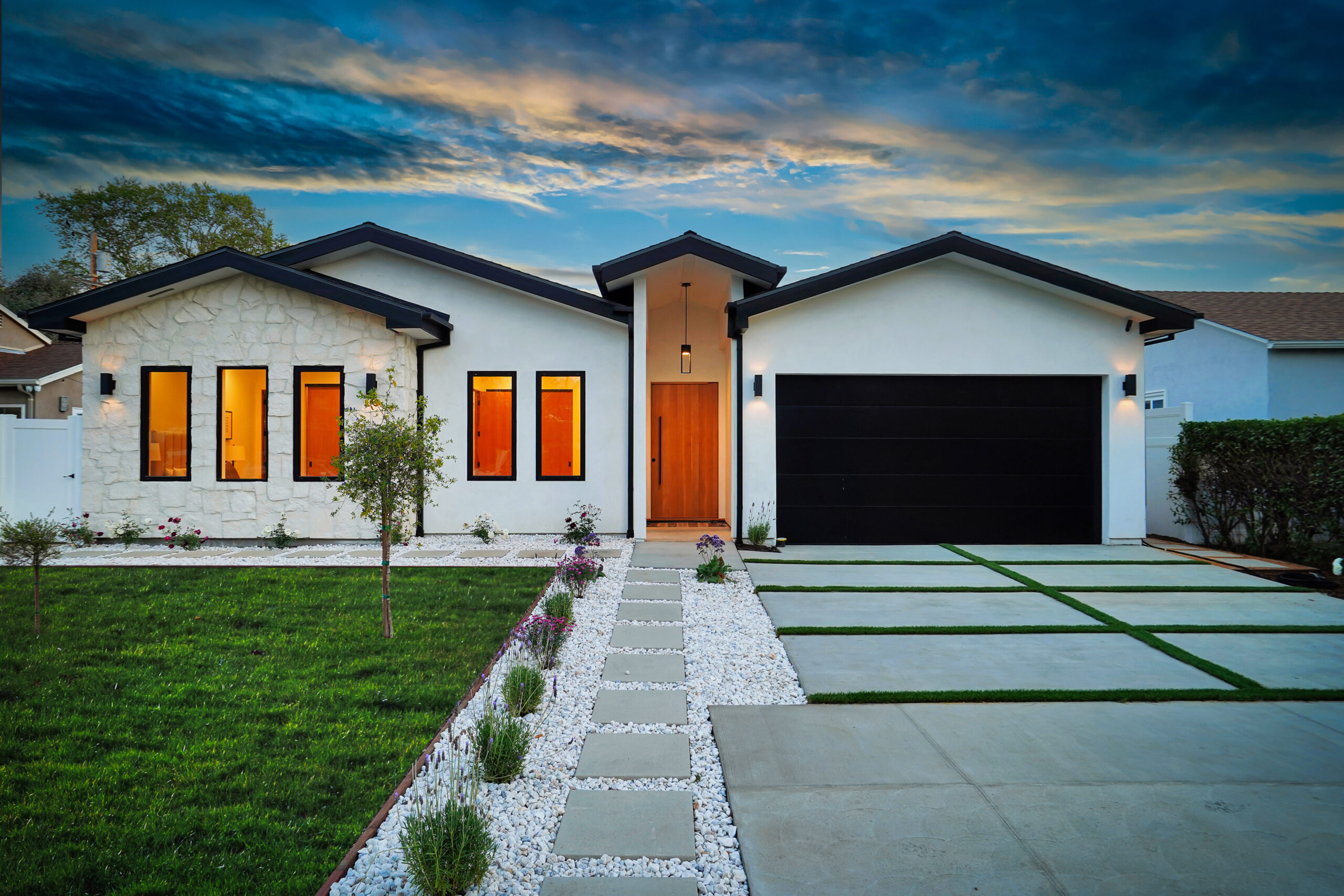
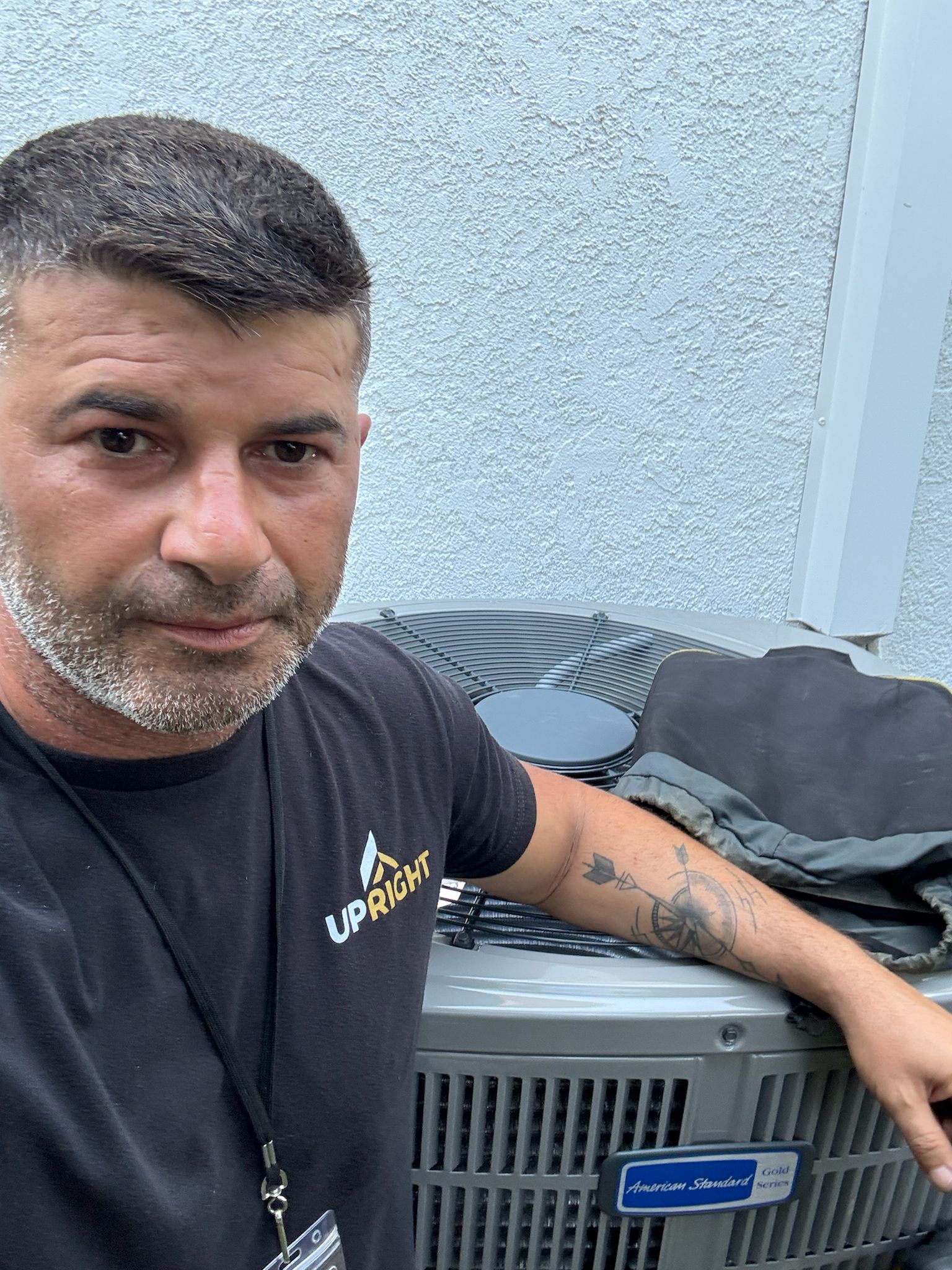
For LA Homeowners Who Value Quality
With 15+ years serving Los Angeles, we specialize in premium HVAC service and construction for discerning clients. We blend sophisticated solutions with transparent pricing and a commitment to integrity. If you’re looking for reliable expertise and lasting results for your home, Upright is your trusted choice.
What Our Clients Have To Share
The Wall of Love
Recently moved into a house with no system at all. I sent out a job request on Yelp and Ernie was the first to give me a call. He gave me great price for a package unit with ductwork and a smart thermostat. His guys did a great job.
What a great company! Ernest came and diagnosed our AC unit and helped us get up and running. Came in within the hour and was kind and informative. Absolutely recommend this business.
Came quickly, brought a the right resource to diagnose my Daikin system error and repaired the system! Ernest was kind and helpful, and Jimmy was super knowledgeable.
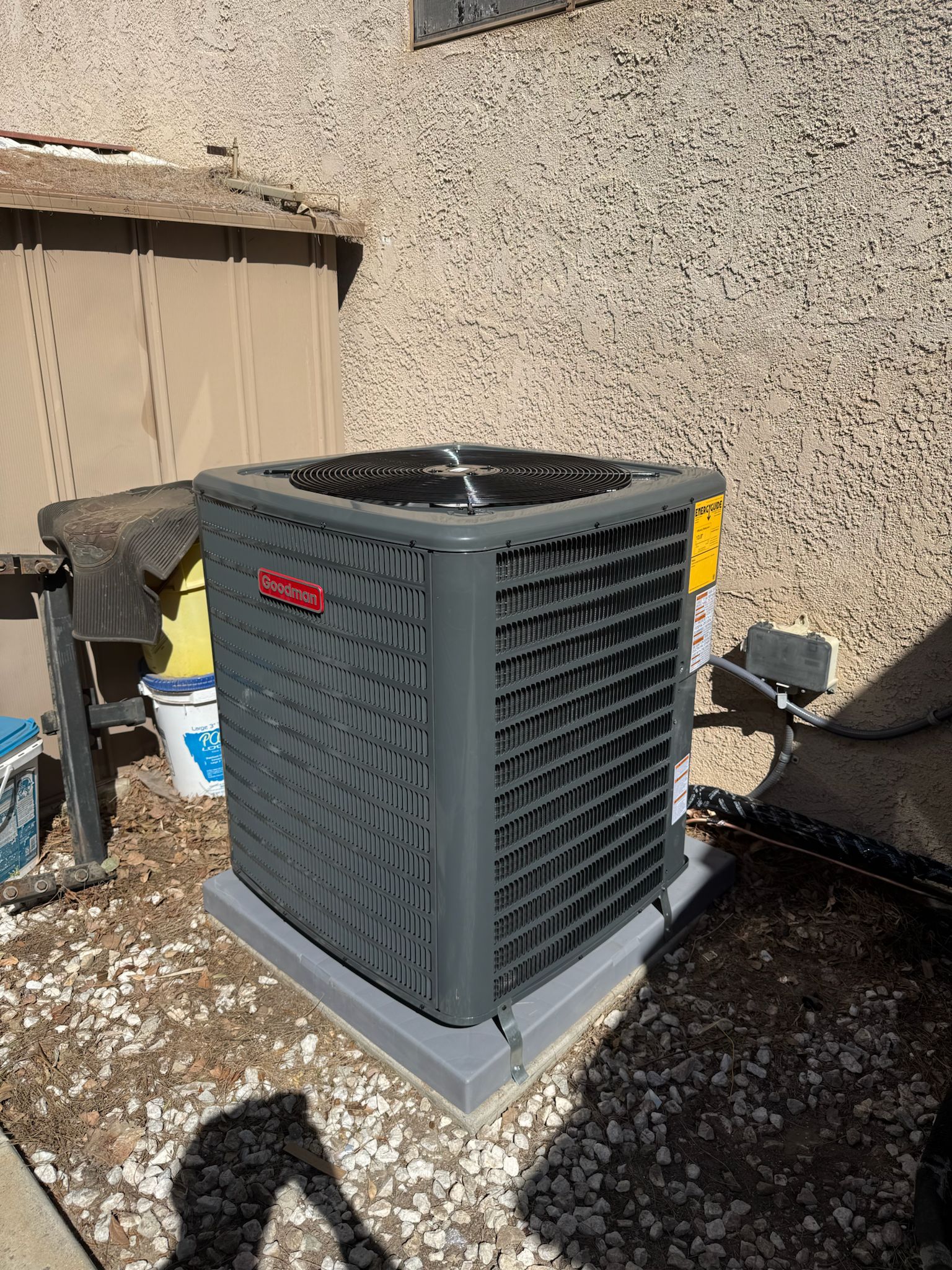
Installed a new HVAC unit on my roof. The installation was quick and neat. The unit is working great. The was very reasonable. The owner Ernie was very nice and accomidating.
I am so pleased with the work that Ernie did for me. Within 3 days of contacting him, a new mini split air conditioner was installed and repairs were made on the wall which needed to be opened in the installation all for a very fair price. His crew were prompt, clean and professional. I recommend Upright wholeheartedly.
Great customer service, great product knowledge, and explained the installation process well.
If you’re looking for an HVAC contractor you can actually trust, call Ernie at Upright Construction & HVAC. Ernie was incredibly generous with his time, patient with all of our questions, and kept his word throughout the entire project. He helped us choose the most efficient system for our home, clearly explained the pricing, handled the permits and paperwork, and Upright stuck to their quote with no surprises. His crew was professional, respectful, efficient, and treated our home with tremendous care. We hired Upright to remove our old HVAC system and install our new one, but after this experience, Ernie will be our first call for any future construction or contracting work. Honest, knowledgeable, dependable, and genuinely cares about his customers. I would recommend Upright Construction & HVAC to anyone. Thank you again, Ernie and team!
So thankful for Ernest and his team to come out on a whim. Answer questions, provide knowledge, and did not try to upsell or spill BS, just a straight shooter. He got me the best deal at the best price. I am thankful that there is still nice quality people in the world!
My AC broke on a Saturday night during a heat wave. Ernie fit me in that same night and fixed the problem. He was professional, pleasant, and reasonably priced. I'd recommend him and use him again.
If I could give Ernie 10 stars, I absolutely would!! I messaged him at 11pm on a Friday night after my A/C went out on me in this insane heat wave and he got back to me right away and then came out first thing the next morning on a Saturday. I genuinely thought I was going to perish in this heat until Monday but NOPE… by 9am, I was already up and running again and with air that was even colder than it was before it went out. As a single woman, I’m used to different contractors using that to underestimate me to upsell on things I don’t need but there was zero of that with Ernie. In fact, quite the opposite. Ernie worked to get just what needed fixing fixed and explained everything to me in a digestible way to help me get the most out of my A/C unit without having to come thousands of dollars out of pocket for a new unit. On top of that, he has the most genuine soul and is a family man so I felt safe and completely taken care of. His service is top notch and not the kind you get anymore these days. If you need any HVAC or construction work done, look no further. 10/10 recommend Ernie… he’s a gem!!
Was able to come through and fix immediately on a super hot day! So thankful and so nice !
Ernie communicated often while en route to our house. Once he got there, he assessed the situation and presented a reasonable solution that he was willing to do right now, even though it was getting late. He didn’t mind at all since it was cooler and our issue would be fixed. It was a wonderful experience! Very up front and honest, which was much appreciated.
I called Ernie due to our A/C leaking. He came out right away and was very friendly and pleasant. The issue ended up being a minor repair (a clogged P Trap that needed to be replaced). The cost was $375, but he knocked off $25. He was personable and helpful, and I am grateful that he was able to come out so quickly. We would definitely call Ernie again.
Elevating Los Angeles Homes: Upright Expert Services
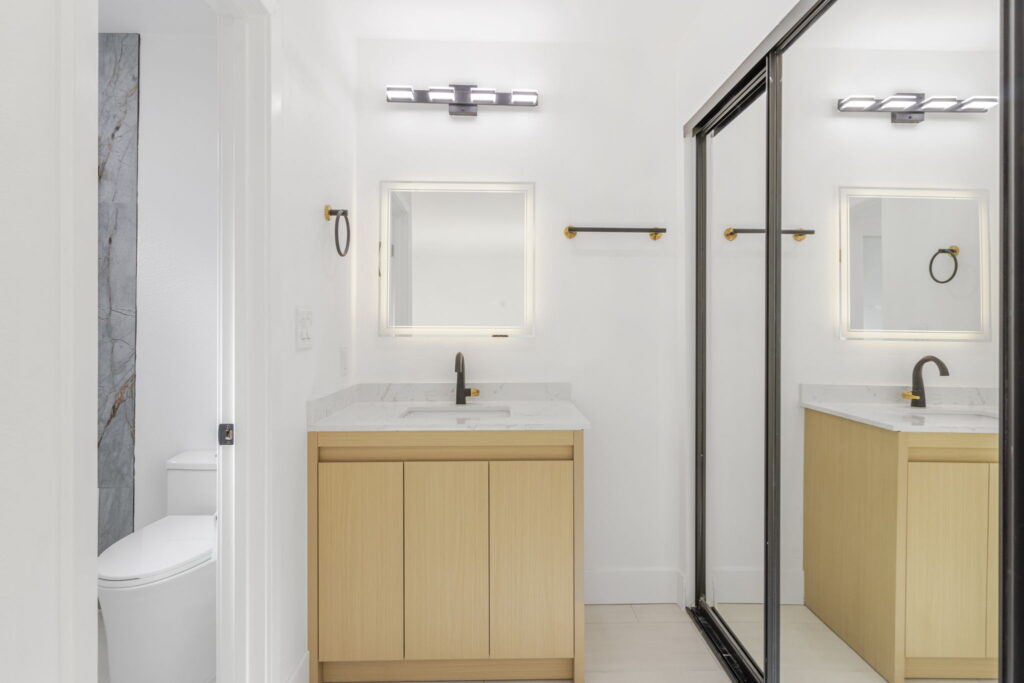
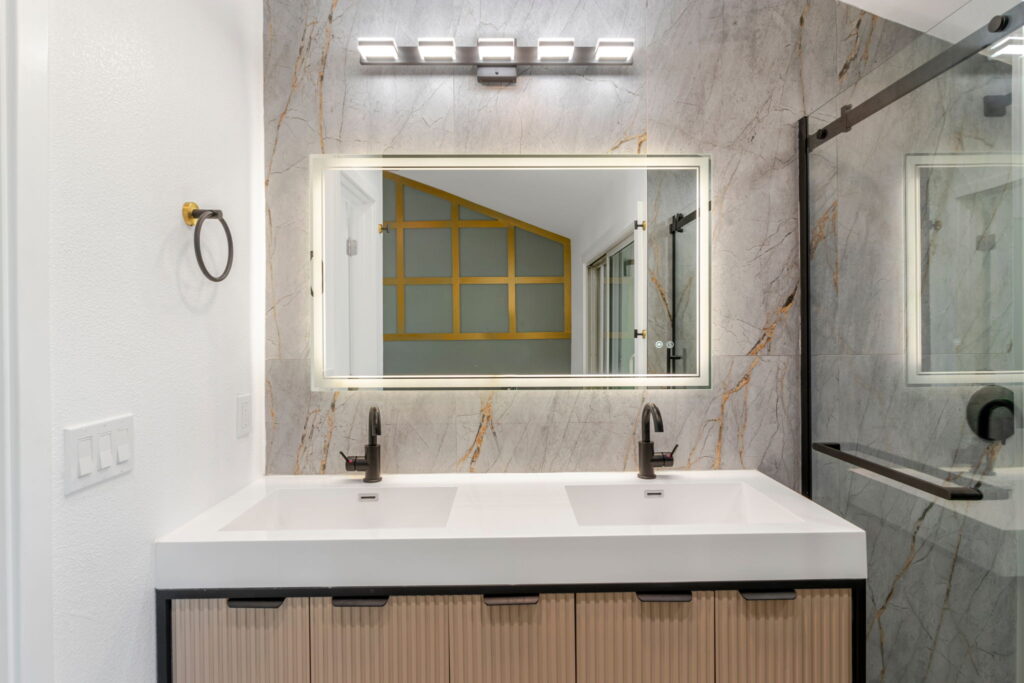
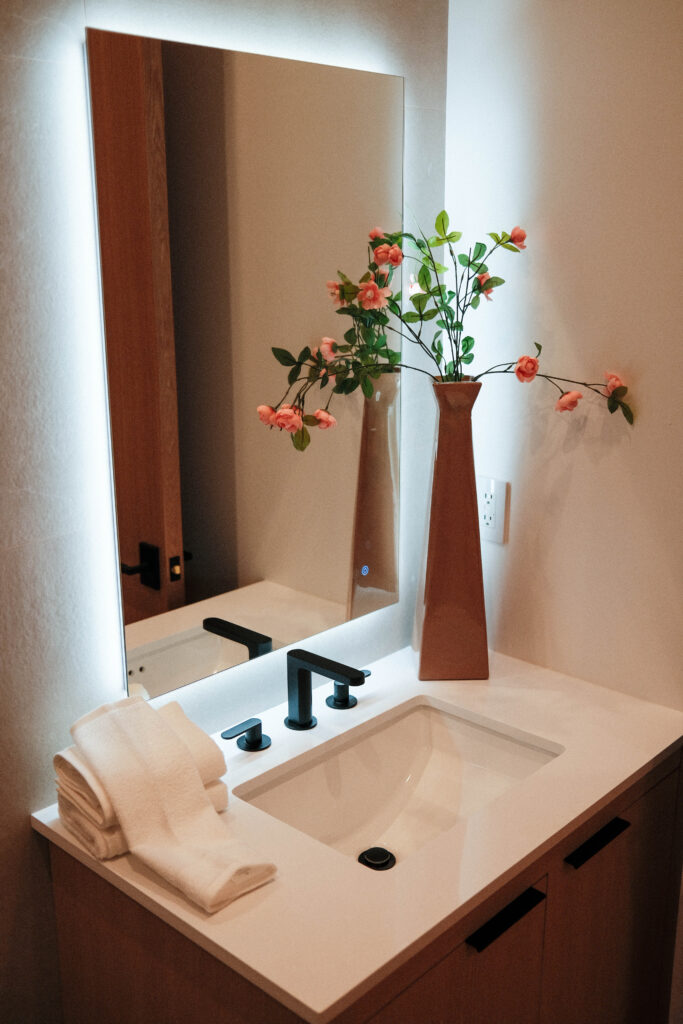
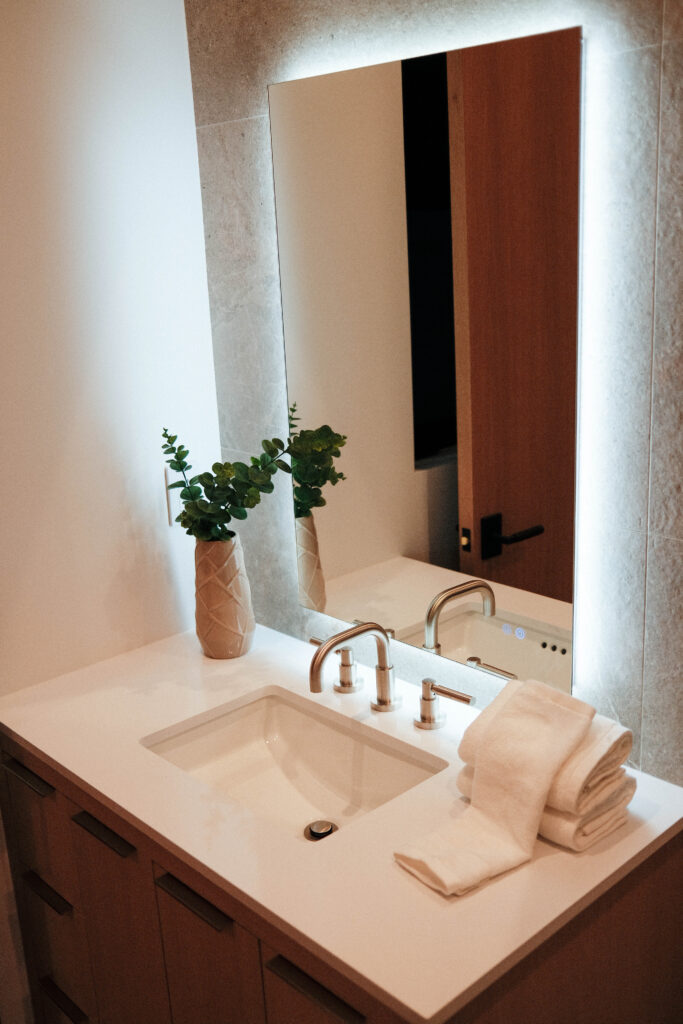
Our expert designers collaborate with you to create a bathroom that perfectly suits your lifestyle and aesthetic preferences. We specialize in intelligent space planning to maximize functionality, even in compact LA bathrooms. This includes selecting premium materials, from natural stone to custom tilework, ensuring a cohesive and elegant design that reflects your personal taste and enhances your home’s value.
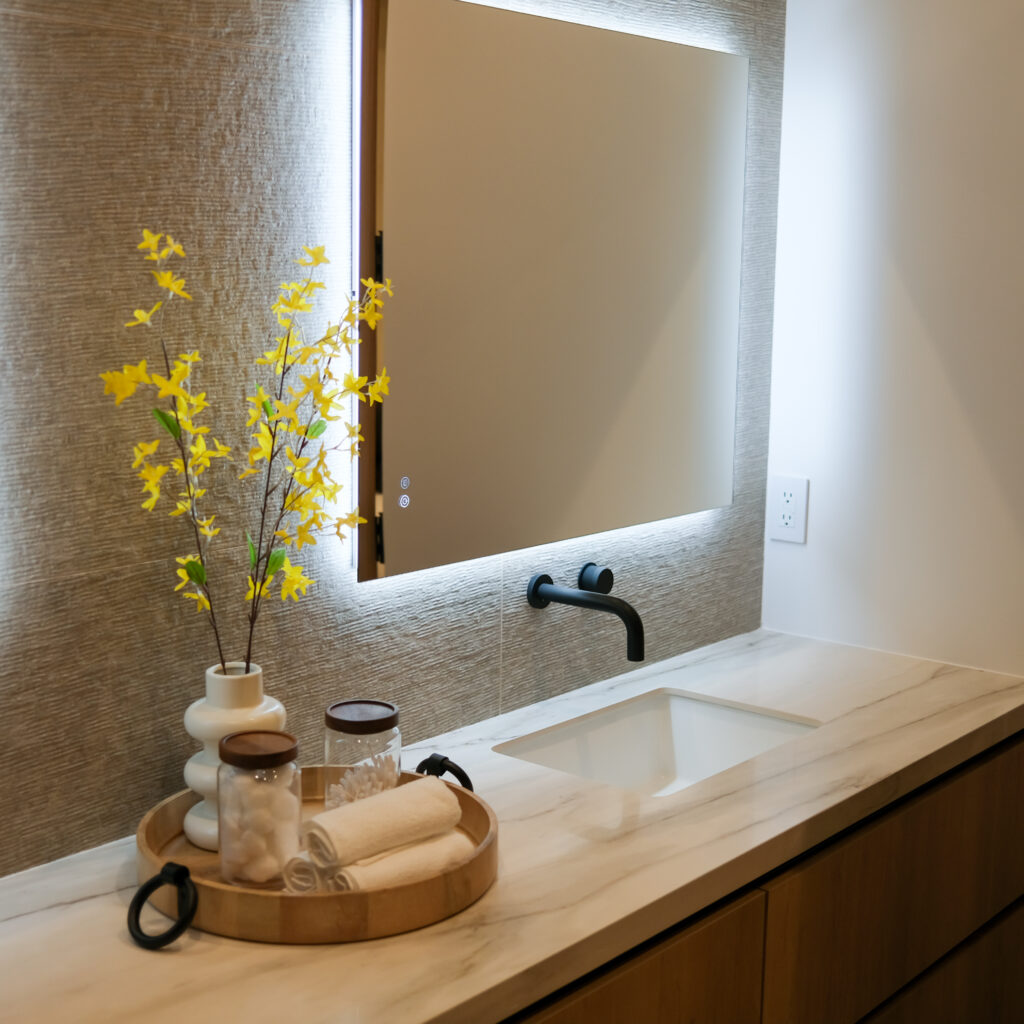
Upgrade to luxury bathroom fixtures Los Angeles with Upright. We source and install high-end faucets, spa-like shower systems LA, elegant freestanding tubs, and custom bathroom vanities Los Angeles. Our selection of premium finishes ensures lasting beauty and tangible value for your bathroom renovation investment.
Upright offers accessible bathroom remodeling Los Angeles, incorporating universal design principles for safety and comfort. Features like curbless showers LA, ADA-compliant grab bars, and comfort-height toilets make your bathroom usable for everyone without sacrificing sophisticated design. We are experts in aging-in-place bathroom design.
Our Los Angeles bathroom remodeling contractors provide seamless bathroom project management from concept to completion. We handle all LA bathroom permits, scheduling, and ensure strict adherence to building codes. Trust Upright (Lic #1124046) for transparent communication and exceptional bathroom renovation LA results.
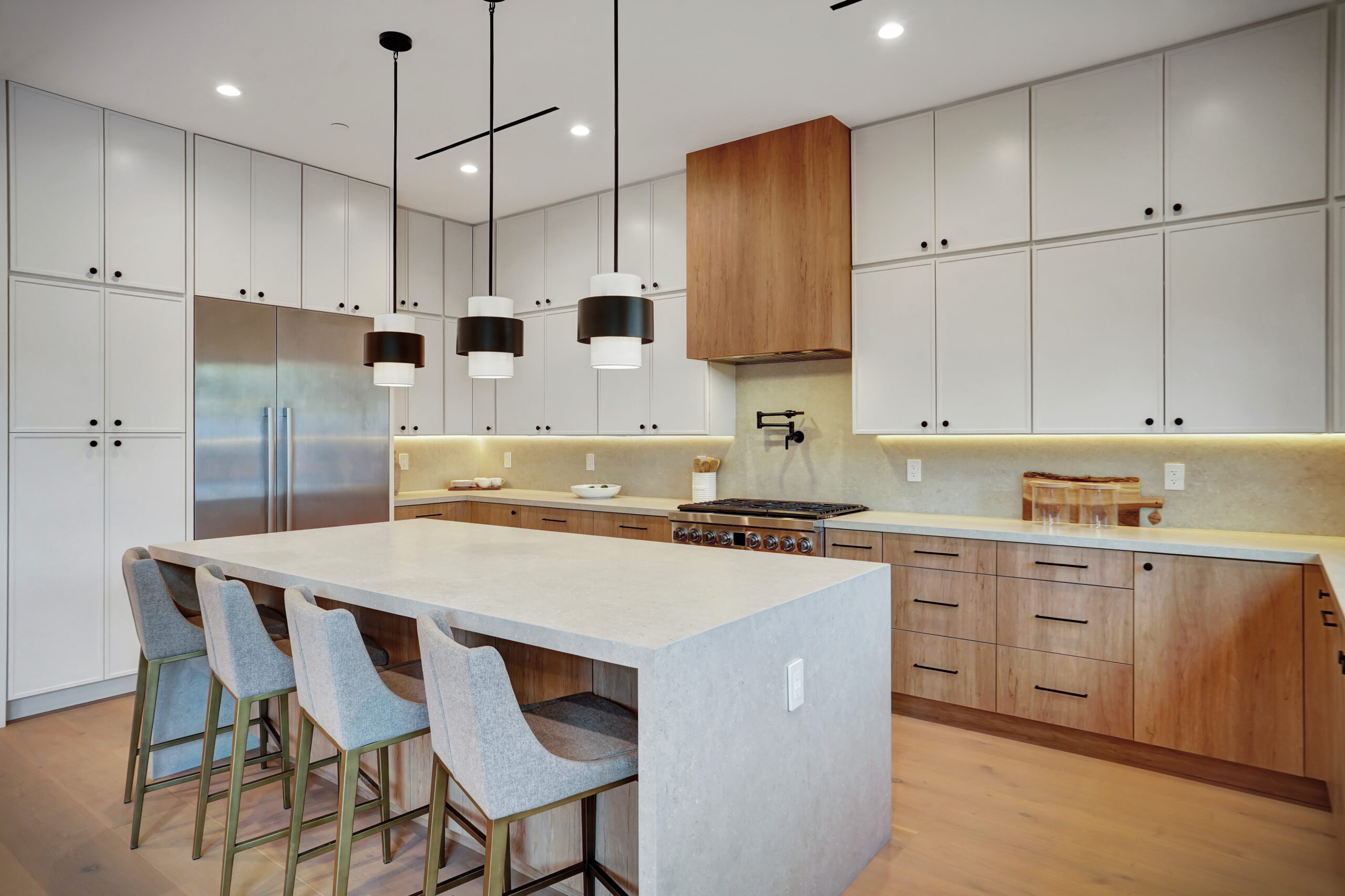
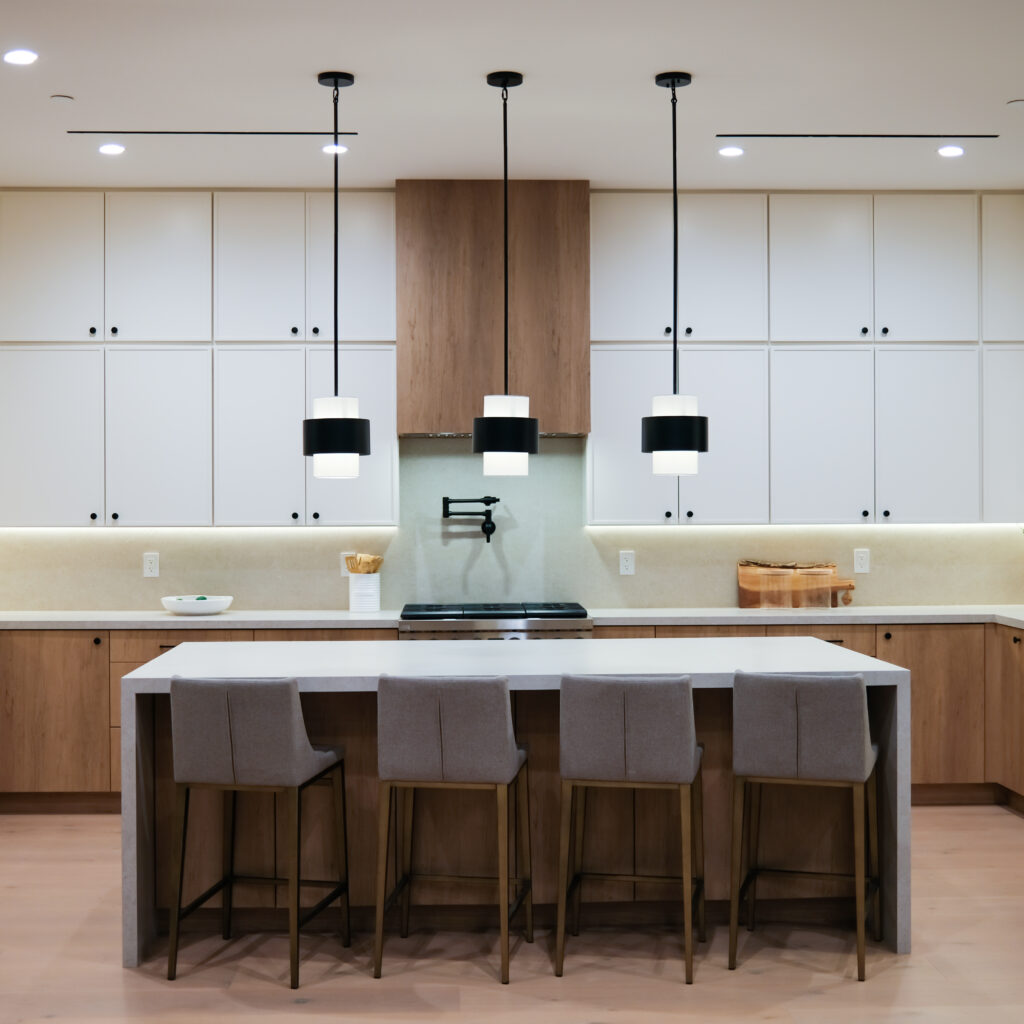
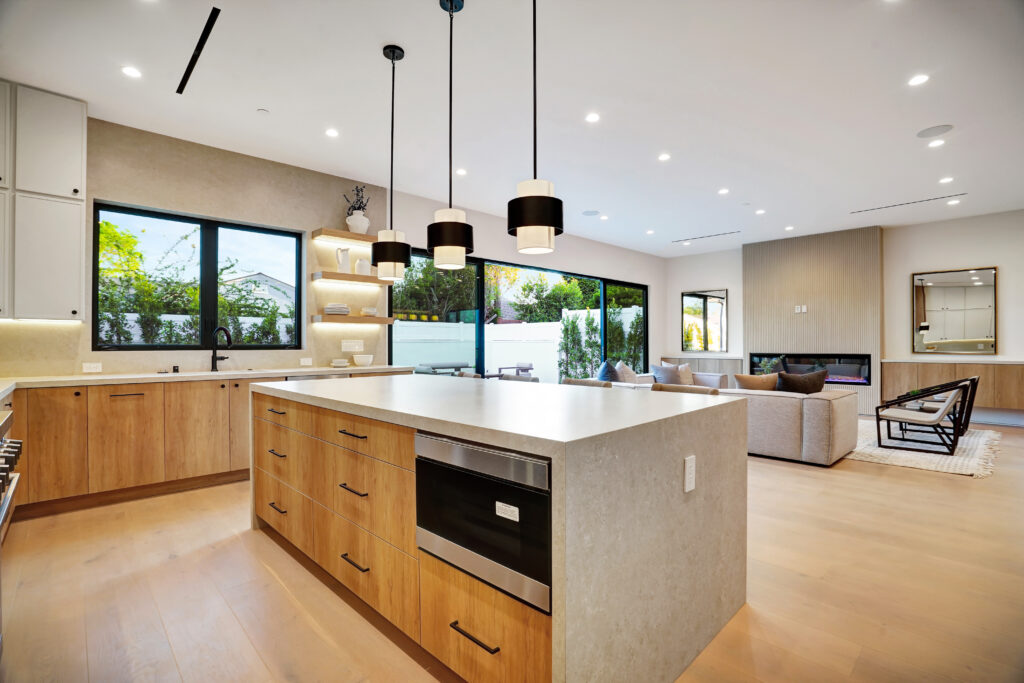
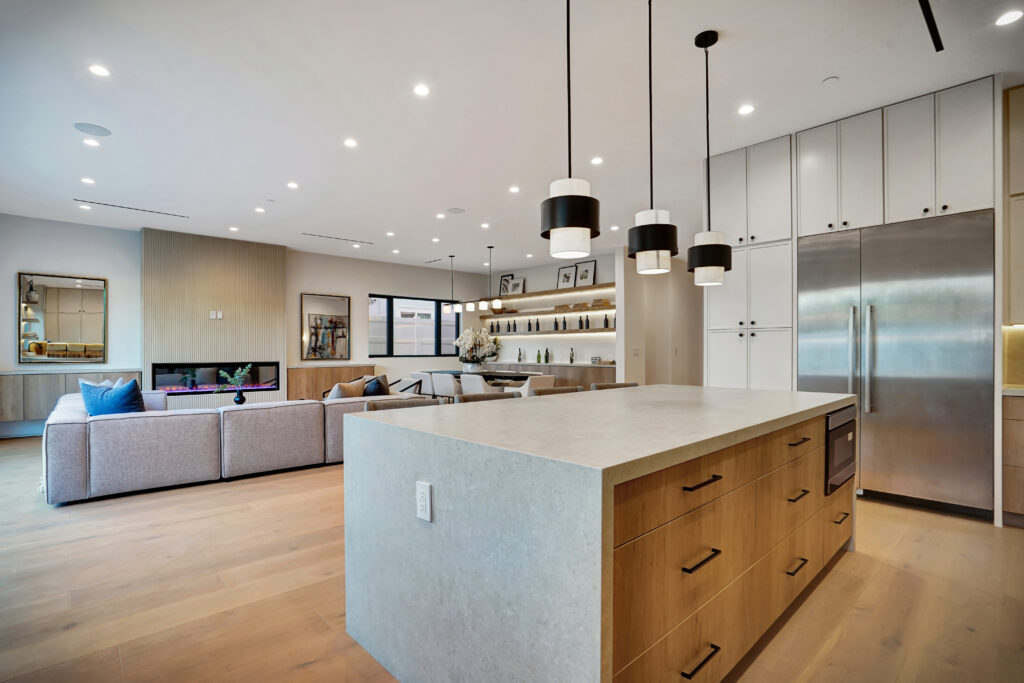
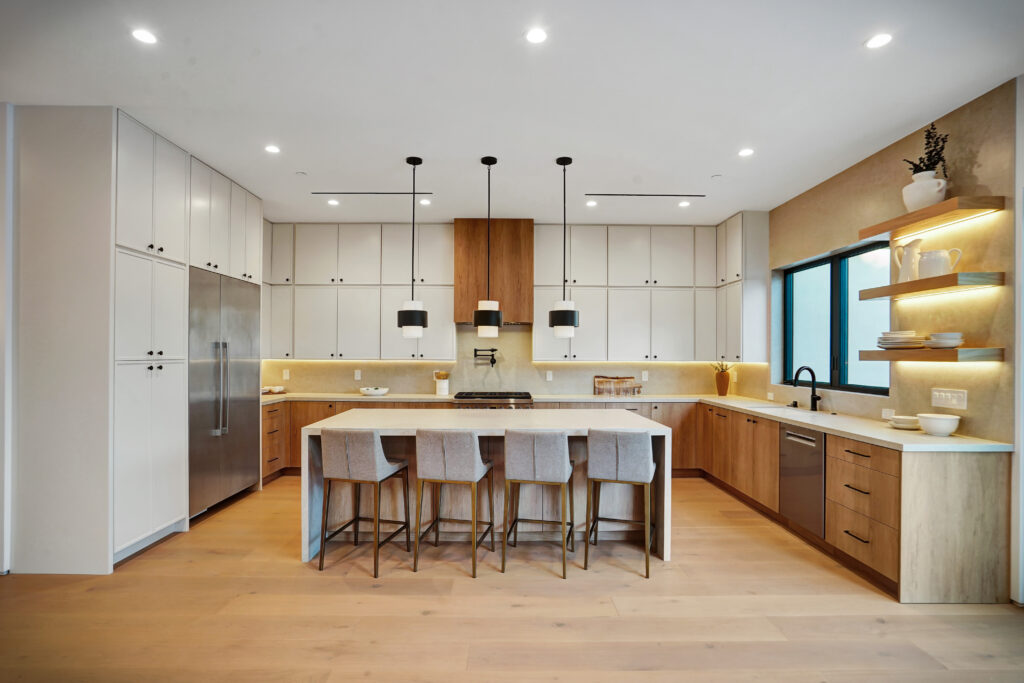
Begin your LA kitchen transformation with our custom kitchen design services. We create ergonomic layouts featuring premium kitchen cabinetry Los Angeles, professional-grade appliance integration, and stunning kitchen islands LA. Whether you desire a modern, traditional, or transitional gourmet kitchen Los Angeles, we deliver.
Elevate your Los Angeles kitchen remodel with our selection of premium kitchen countertops, including quartz, granite, and marble. We also offer stylish kitchen backsplashes LA, durable flooring, and innovative kitchen lighting solutions Los Angeles, ensuring a perfect balance of beauty and long-term value.
Future-proof your home with smart kitchen Los Angeles integration. Our team incorporates cutting-edge technology, from smart kitchen appliances LA and touchless faucets to integrated lighting systems, enhancing convenience and the sophistication of your modern kitchen remodel Los Angeles.
Upright’s Los Angeles kitchen contractors (Lic #1124046) deliver precision and flawless kitchen installation LA. From intricate tilework to custom kitchen cabinet fitting, every detail is executed to the highest standards, ensuring your kitchen renovation Los Angeles is a lasting investment.
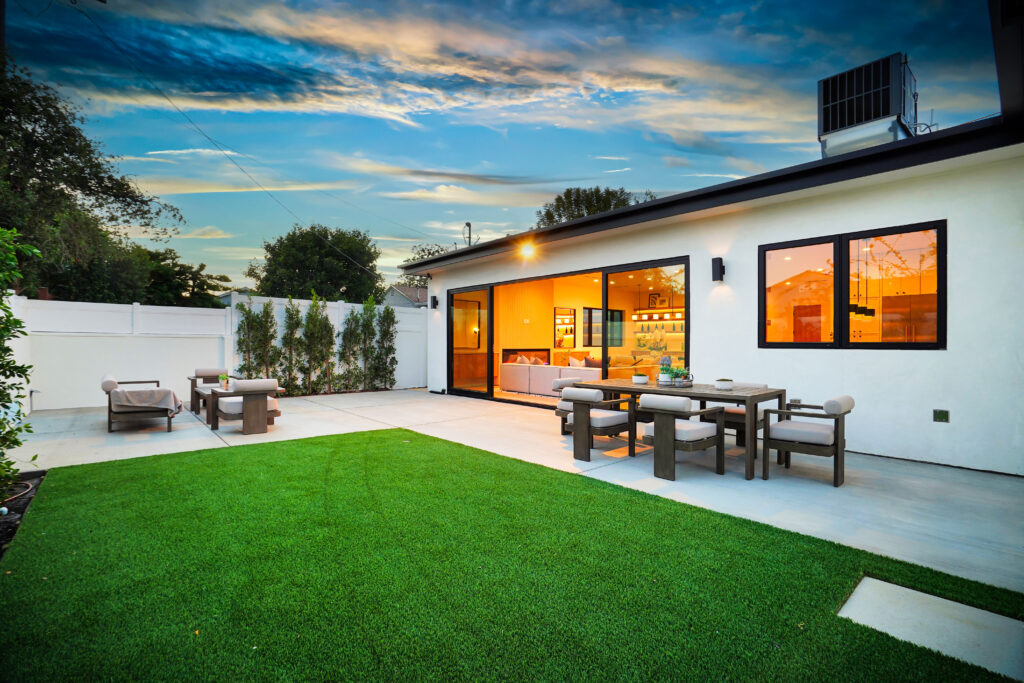
We offer tailored ADU design Los Angeles, from compact studios to spacious multi-bedroom units, including detached ADUs LA and garage conversion ADUs Los Angeles. Our team expertly navigates LA ADU permitting and zoning laws, ensuring a compliant and efficient ADU project Los Angeles.
Upright provides comprehensive turnkey ADU construction Los Angeles. From ADU site preparation LA and foundation to framing, roofing, and all ADU interior finishes Los Angeles, our experienced ADU contractors LA manage every phase, delivering a move-in ready unit.
Our Los Angeles ADUs are built with durable, high-quality materials and can feature modern ADU amenities. We focus on energy-efficient ADU construction LA, including efficient windows, insulation, and HVAC, creating comfortable and appealing secondary dwelling units Los Angeles.
An ADU investment Los Angeles by Upright (Lic #1124046) significantly enhances property value and lifestyle flexibility. We build legal ADUs Los Angeles that offer accessible luxury and smart living solutions, perfect for multi-generational housing LA or as a backyard home Los Angeles.
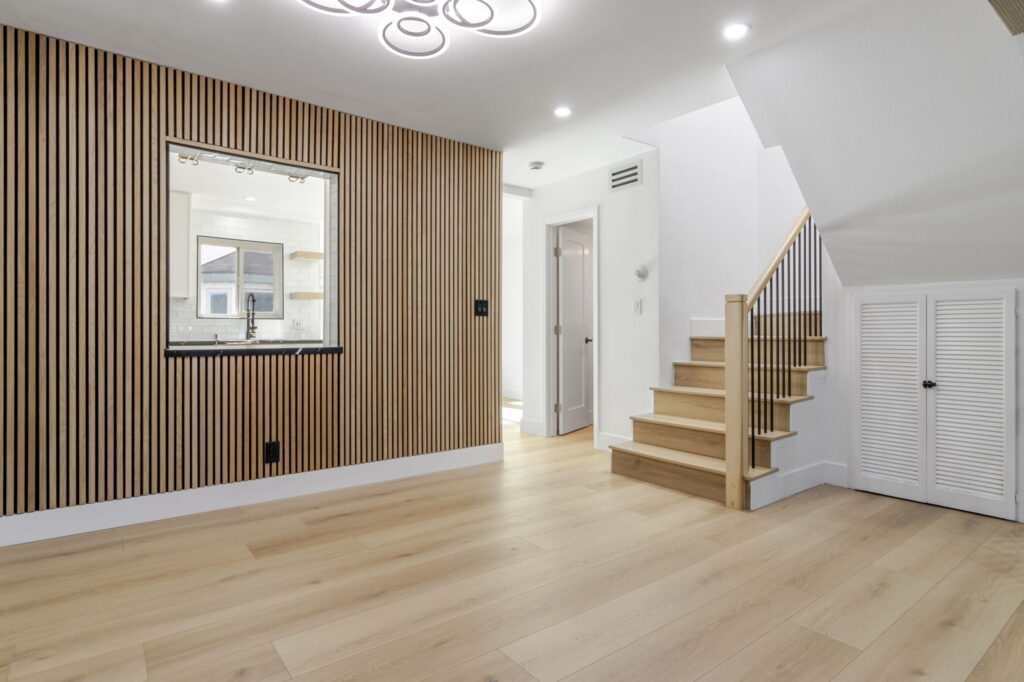
Expand your living space with our expert home addition contractors Los Angeles. We design and build room additions LA, second-story additions, and seamless house extensions Los Angeles that integrate perfectly with your existing home’s architecture and enhance its overall value.
For transformative projects, Upright provides major home renovations Los Angeles, including structural reconfigurations LA and whole-house remodels Los Angeles. Our team handles complex structural repairs LA, ensuring engineering integrity and sophisticated design for your LA home improvement project.
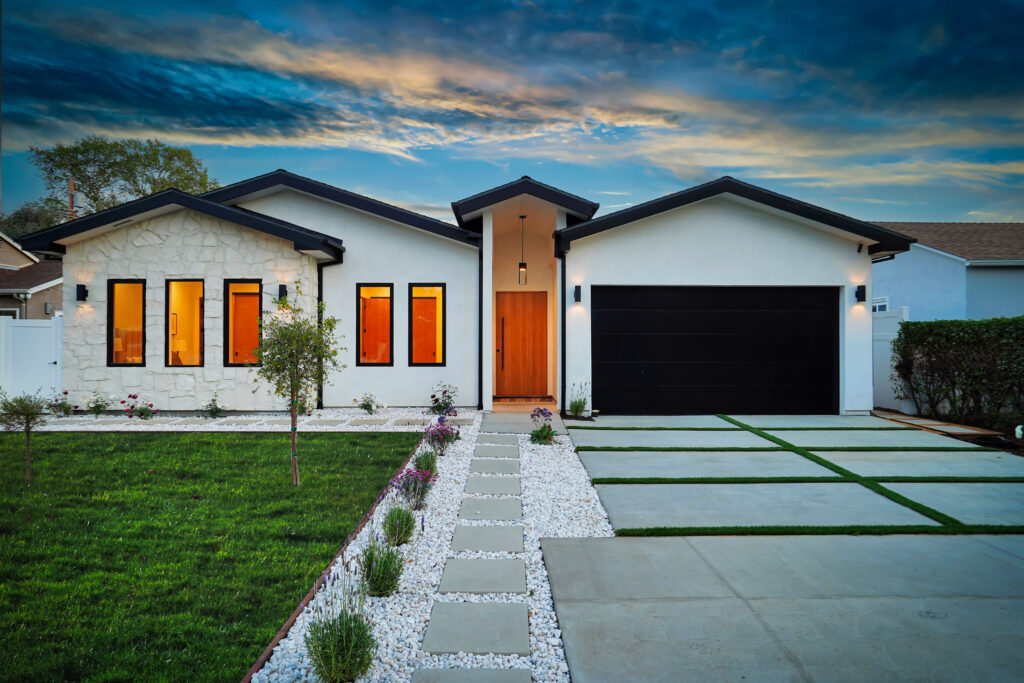
New construction in Los Angeles requires expert knowledge of LA building codes and California construction regulations. Upright’s experienced team (Lic #1124046) ensures your LA new build or home expansion project is fully compliant, safe, and efficiently executed.
We are committed to using high-quality construction materials Los Angeles and employing skilled LA building professionals. Our focus on quality home construction LA ensures your project is not only visually stunning but also a durable, long-term investment in your Los Angeles property.
Upright provides 24/7 emergency restoration services Los Angeles. Our rapid response team conducts thorough water damage assessment LA and fire damage inspection Los Angeles, securing your property and creating a detailed plan for property damage restoration LA.
Our certified technicians perform water extraction Los Angeles, structural drying, and mold remediation LA to prevent further damage. For fire damage cleanup LA, we specialize in smoke and soot removal Los Angeles and professional odor elimination services LA.
Upright handles all structural repairs Los Angeles and home reconstruction LA post-disaster. From foundation to roofing, and all interior damage repair LA, we restore your home to its pre-loss condition, adhering to Los Angeles reconstruction codes. (Lic #1124046)
We offer insurance claim assistance Los Angeles for restoration projects, working with your adjuster for a smooth process. Our LA restoration project managers oversee every step, ensuring efficient, high-quality fire and water damage restoration Los Angeles.
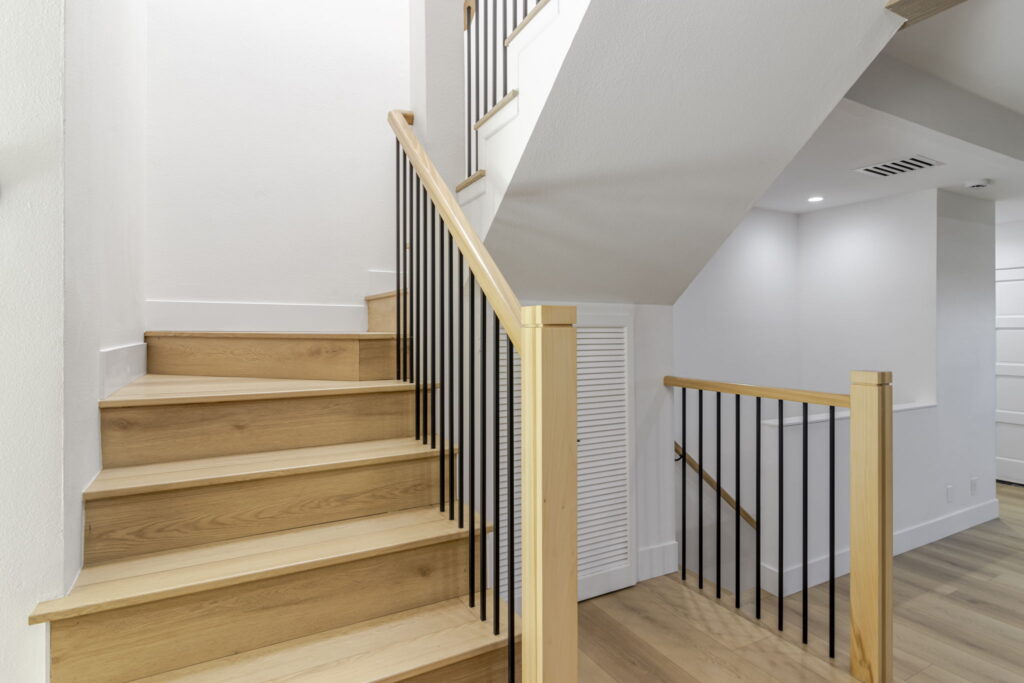
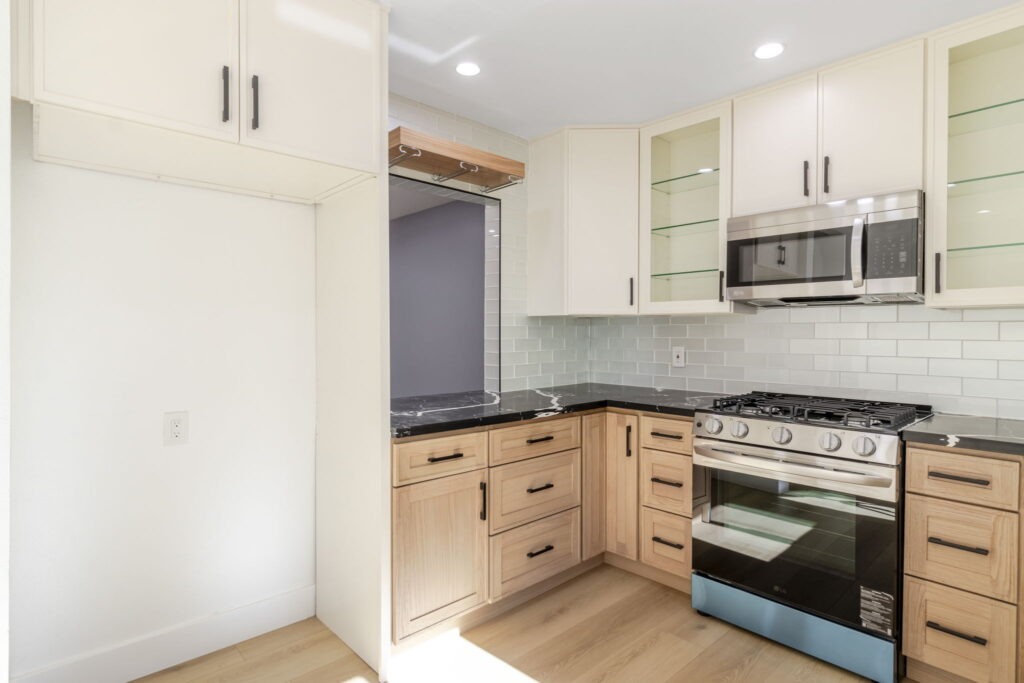
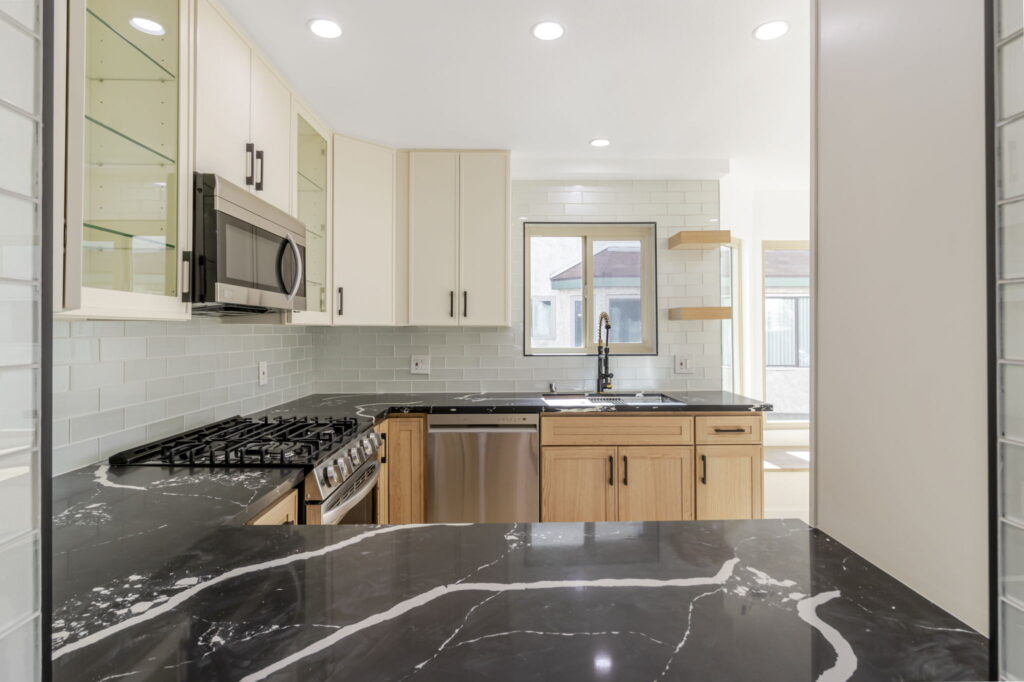
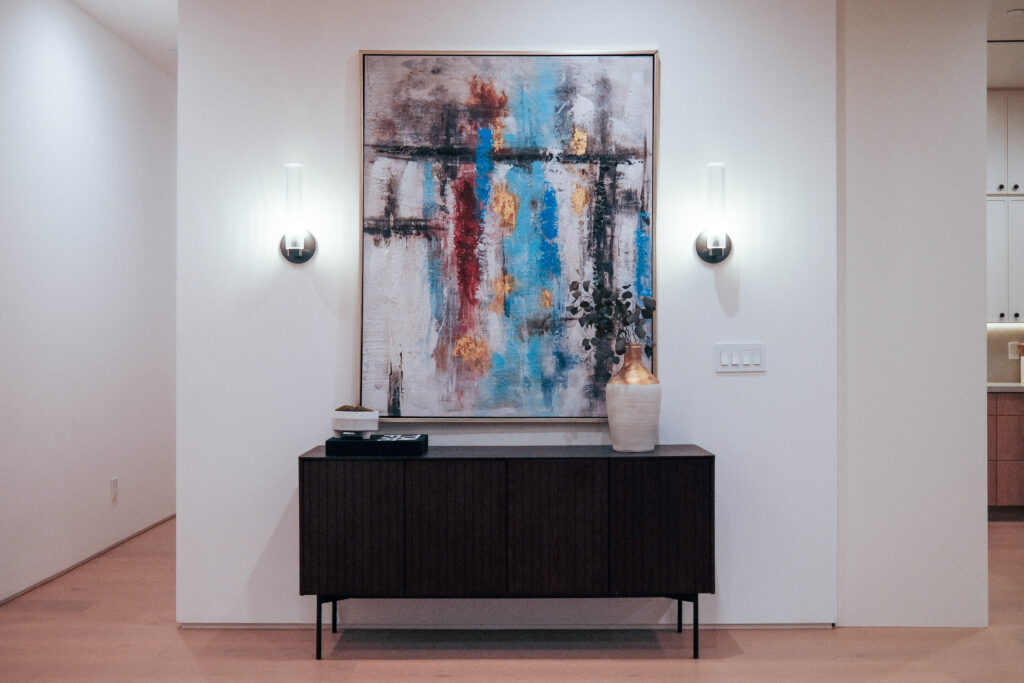
No heat tonight?
Most asked questions
At Upright Construction & HVAC service, your vision for your Van Nuys home is at the heart of everything we do. We believe understanding your needs goes beyond surface-level discussions; it involves a deep dive into your aspirations to deliver tailored HVAC system and construction solutions that provide tangible value and enhance your living experience. Your satisfaction is our primary objective.
Our commitment to excellence is demonstrated through our high level of expertise in sophisticated HVAC systems and comprehensive construction services. For over 15 years, our licensed team (Lic #1124046) has provided Sherman Oaks homeowners with top-notch advice, precision craftsmanship, and reliable solutions, ensuring every project meets our exacting standards and your complete satisfaction.
Licensed C20 contractor serving Los Angeles and the San Fernando Valley from offices in Van Nuys, Sherman Oaks, and Woodland Hills.


