TL;DR Summary for Those in a Hurry:
- Heater’s Cold Air Issue often happens when the heating system runs but fails to actually produce or deliver warm air, leaving cool airflow coming from your vents.
- Start troubleshooting with easy homeowner checks like thermostat settings, proper thermostat mode, and clean air filters, which can fix many common airflow and heat production problems.
- In gas systems, pilot light outages or faulty ignition systems stop heat generation even while the blower runs, so inspect or have a pro evaluate these parts.
- For electric systems, breaker/fuse issues or electrical faults can prevent heating elements from working, requiring deeper inspection or professional help.
- Other causes include blocked ducts, gas supply interruptions, or heat pump defrost cycles, so knowing the root helps decide whether to DIY or call an HVAC technician.
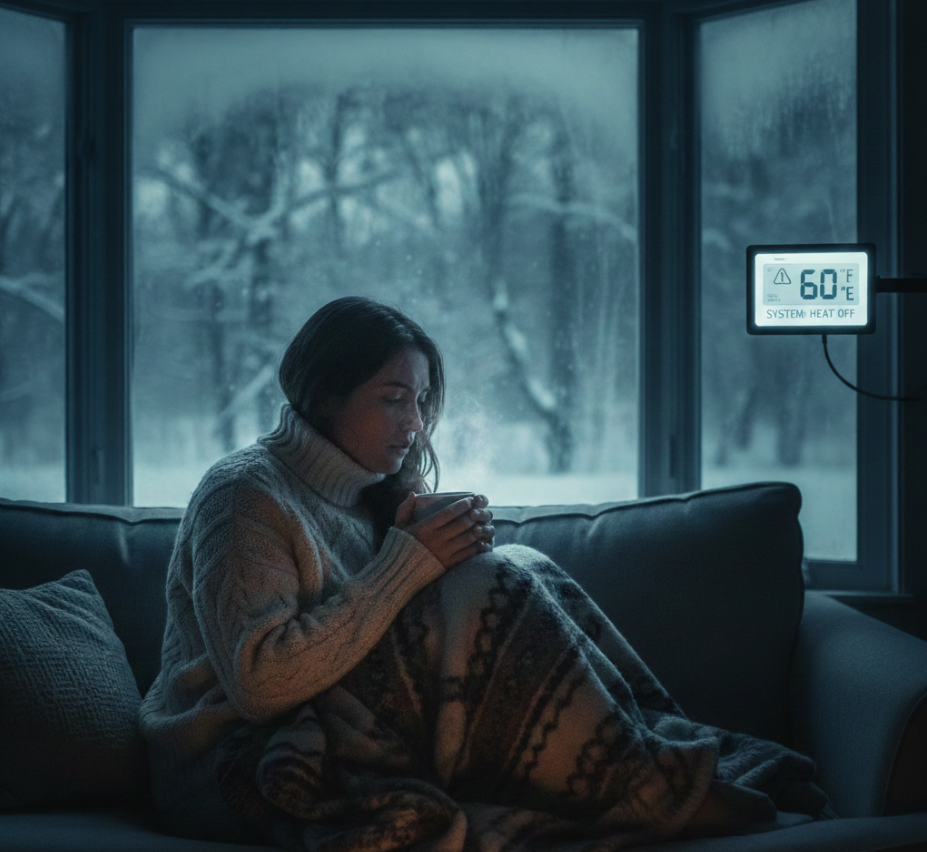
Before diving into Troubleshooting Your Heater’s Cold Air Issue, it’s essential to understand the possible reasons why your heater might be blowing cold air. Here are some common issues:
Thermostat Settings
The first thing to check is your thermostat settings. Ensure it is set to ‘heat’ and the fan is set to ‘auto’ rather than ‘on.’ When the fan is set to ‘on,’ it will run continuously, blowing air even when the furnace isn’t heating. Additionally, verify that the temperature setting is appropriately higher than the current room temperature to prompt the heating system to activate. Incorrect thermostat settings can often be a simple fix but a common oversight.
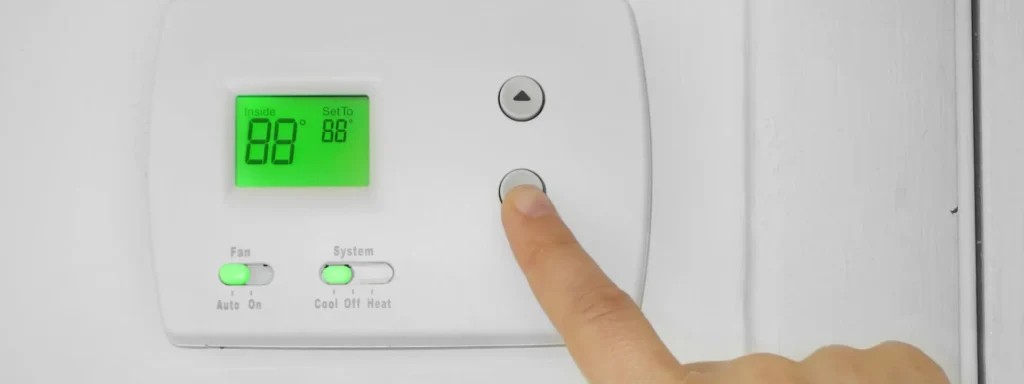
Understanding how your thermostat interacts with your HVAC system is crucial. Modern thermostats come with various settings and modes that can influence your heating system’s performance. It’s worth spending a few minutes familiarizing yourself with your model’s manual to ensure optimal operation.
If your thermostat is programmable, check the schedule settings. Misconfigured schedules can lead to unexpected temperature changes, causing the heater to blow cold air when you least expect it. Adjusting these settings according to your daily routine can prevent such issues.
Pilot Light Issues
For gas furnaces, a common culprit is a pilot light that has gone out. If the pilot light is out, the furnace will not heat the air. Relighting the pilot light might solve the problem, but if it goes out again, it may indicate a more significant issue that needs professional attention. It could be a sign of a faulty thermocouple or issues with the gas supply.
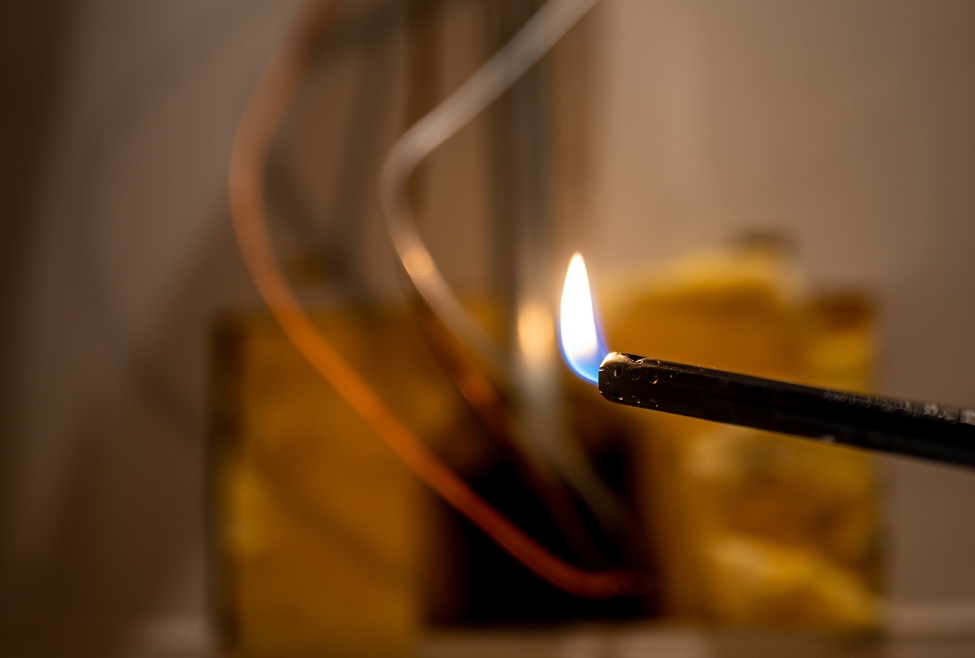
Understanding the role of the pilot light in your heating system is crucial. It serves as the ignition source for the burners that heat the air. If you find yourself frequently relighting the pilot light, it could indicate a draft problem or an underlying issue with the gas line.
It’s important to approach pilot light issues with caution. Gas-related problems can pose safety risks, so if you’re uncertain about relighting the pilot light yourself, it’s always best to contact a professional to ensure your safety.
Clogged Air Filter
A clogged air filter can restrict airflow, causing the heat exchanger to overheat and shut off prematurely. When this happens, your heater will blow cold air. Regularly check and replace your air filters to maintain optimal airflow. Dirty filters not only affect your heater’s performance but can also reduce indoor air quality.
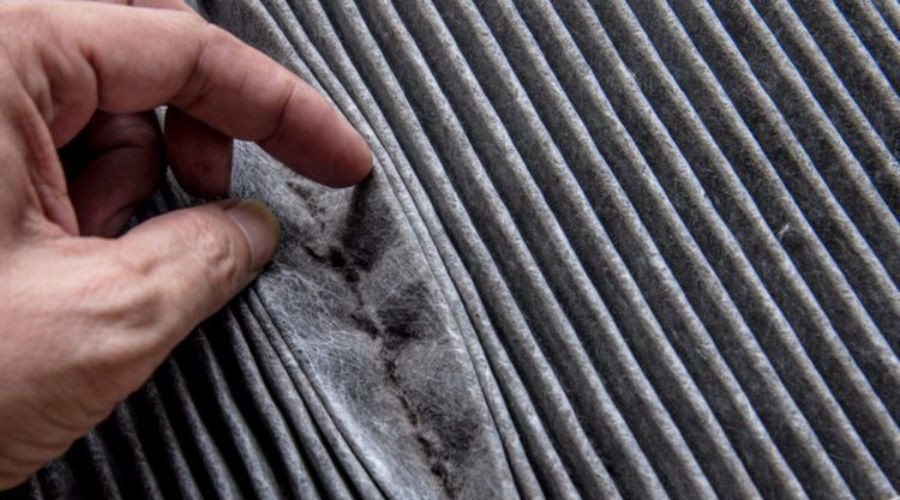
Air filters play a crucial role in maintaining the efficiency of your heating system. They trap dust, debris, and allergens, preventing them from circulating in your home. Over time, these particles accumulate, leading to restricted airflow and potential overheating of the system.
Replacing or cleaning your air filters is a simple maintenance task that can have a significant impact on your heater’s performance. Consider setting a reminder to check your filters monthly, especially during peak usage seasons like winter.
Troubleshooting Steps for Cold Air from Your Heater
Check the Thermostat
- Verify Settings: Ensure your thermostat is set to ‘heat’ and the desired temperature is higher than the current room temperature. This fundamental check ensures that the system has been prompted to activate.
- Inspect Battery: If your thermostat is battery-powered, replace the batteries to ensure it is functioning correctly. Weak batteries can cause the thermostat to malfunction, leading to incorrect temperature readings or no response at all.
- Calibration: Sometimes, thermostats can lose calibration. Consider recalibrating or replacing it if necessary. An inaccurate thermostat can cause significant discrepancies in your home’s temperature, leading to discomfort and inefficiency.
Understanding these steps can help you identify whether a simple thermostat issue is causing your heater to blow cold air. Regular maintenance and checks can prevent many common problems associated with thermostats, ensuring your system runs smoothly.
Inspect the Pilot Light and Gas Supply
- Pilot Light: Check if the pilot light is lit. If not, follow the manufacturer’s instructions to relight it. If it fails to stay lit, contact UPRIGHT HVAC and Construction for professional assistance. Consistent issues with the pilot light may indicate a need for a more in-depth inspection of the system.
- Gas Supply: Ensure the gas valve is turned on. If you suspect a gas leak, turn off the gas supply immediately and contact emergency services. Gas supply issues can severely affect your furnace’s functionality and pose safety risks.
Addressing pilot light and gas supply issues promptly can prevent more significant problems down the line. It’s crucial to handle these components with care and seek professional help when necessary to ensure safety and efficiency.
Replace or Clean the Air Filter
- Locate the Filter: Find your furnace’s air filter. It’s usually located in the return air duct or the blower compartment. Knowing where your filter is located is the first step in ensuring regular maintenance.
- Inspect and Replace: Check the filter for dirt and debris. Replace it if it’s dirty or hasn’t been changed in the last three months. A clean filter can significantly improve airflow and system efficiency.
- Set a Maintenance Schedule: Regularly scheduling filter replacements can prevent future issues and maintain indoor air quality. Consistency in this simple task can lead to long-term benefits for your HVAC system.
Replacing or cleaning air filters is a straightforward process that can have a profound impact on your heating system’s performance. Consistent maintenance ensures better airflow and system efficiency, leading to a more comfortable home environment.
Addressing More Complex Heater Issues
If the basic troubleshooting steps don’t resolve the issue, it might be time to consider more complex problems that require professional intervention.
Malfunctioning Blower Motor
A malfunctioning blower motor can lead to your furnace blowing cold air. If the blower motor is not running or runs intermittently, it might need repair or replacement. The blower motor is responsible for circulating air throughout your home, and any issues can directly affect your heating system’s performance.
Symptoms of a malfunctioning blower motor include unusual noises, reduced airflow, or the motor not turning on at all. These signs indicate that a professional inspection is necessary to diagnose the issue accurately.
Addressing blower motor issues promptly can prevent further damage to your heating system. Professional technicians have the expertise to identify and resolve these problems efficiently, ensuring your system operates smoothly.
Faulty Limit Switch
The limit switch is a safety device that shuts off the burner if the heat exchanger gets too hot. If this switch is faulty, it might prevent the furnace from heating the air. A professional technician from UPRIGHT HVAC and Construction can diagnose and replace this part if necessary.
Understanding the role of the limit switch can help you identify potential issues early. A faulty limit switch can lead to overheating and safety risks, making it essential to address any malfunctions promptly.
Regular maintenance checks by professionals can help identify limit switch issues before they cause significant problems. Ensuring that all safety devices are functioning correctly is crucial for the safe operation of your heating system.
Ductwork Issues
Problems in your ductwork, such as leaks or blockages, can prevent warm air from reaching your living spaces, resulting in cold air blowing from your vents. Sealing leaks and cleaning ducts can resolve these issues. Ductwork plays a vital role in distributing heat throughout your home, and any problems can significantly impact your system’s efficiency.
Identifying ductwork issues requires a thorough inspection of your HVAC system. Common signs include uneven heating, increased energy bills, and noticeable drafts in certain areas of your home.
Professional ductwork inspections can identify and resolve issues efficiently. Sealing leaks and cleaning ducts can improve your system’s performance and ensure consistent heating throughout your home.
Why Choose UPRIGHT HVAC and Construction?
by Nguyễn Hiệp (https://unsplash.com/@hieptltb97)
At UPRIGHT HVAC and Construction, we pride ourselves on our commitment to quality and customer satisfaction. Here’s how we can help:
- Expertise and Experience: With over 15 years of experience, we bring technical proficiency and hands-on expertise to every job. Our team is equipped to handle a wide range of HVAC issues with confidence and skill.
- Reliable Service: We use high-quality parts and provide fair pricing, ensuring that repairs last and meet your budget. Our commitment to reliability means you can trust our solutions to withstand the test of time.
- Comprehensive Solutions: From emergency services to routine maintenance, we offer a full range of HVAC services tailored to your needs. Our holistic approach ensures that every aspect of your HVAC system is covered.
- Transparent Communication: We explain complex issues in simple terms, helping you make informed decisions about your home’s HVAC system. Our transparent communication ensures that you are always aware of the work being done and the solutions being implemented.
Choosing UPRIGHT HVAC and Construction means choosing a partner dedicated to your comfort and satisfaction. Our expertise and commitment to quality ensure that your HVAC needs are met with professionalism and care.
Preventative Measures to Avoid Future Issues
To avoid your heater blowing cold air in the future, consider these preventative measures:
- Regular Maintenance: Schedule annual maintenance with UPRIGHT HVAC and Construction to keep your system running efficiently. Regular check-ups can identify potential issues early and prevent costly repairs down the line.
- Replace Filters Regularly: Change air filters every three months or more frequently if you have pets or allergies. Clean filters ensure optimal airflow and system performance, contributing to better indoor air quality.
- Inspect and Clean Ductwork: Ensure your ductwork is clean and free of obstructions to maintain proper airflow. Regular inspections can identify leaks or blockages that could affect your system’s efficiency.
- Monitor Thermostat: Regularly check and calibrate your thermostat to ensure it operates correctly. A well-functioning thermostat can prevent unexpected temperature fluctuations and maintain comfort in your home.
Implementing these preventative measures can significantly enhance your HVAC system’s performance and longevity. Regular maintenance and attention to detail ensure that your heating system operates efficiently and effectively.
Conclusion
A heater that blows cold air can be a significant inconvenience, but with the right approach, you can resolve this issue effectively. By following the troubleshooting steps outlined in this guide and enlisting the help of professionals at UPRIGHT HVAC and Construction, you can ensure your heating system provides the warmth and comfort your home needs. Contact us today for expert HVAC services and experience the peace of mind that comes with reliable home heating solutions.
If your heater has a cold air issue, check thermostat, airflow, and ignition basics first — most simple fixes restore warm air, but complex electrical or gas problems should be handled by a professional.
FAQ: