- TL;DR Summary for Those in a Hurry:
- What Does a Heat Sequencer Do? Your Furnace's "Stage Manager" Explained
- The Telltale Signs of a Faulty Heat Sequencer
- Is It Really the Sequencer? 3 Safe Checks You Can Do
- How Much Does a Furnace Sequencer Replacement Cost?
- Your Next Steps: How to Safely Get Your Heat Back On
TL;DR Summary for Those in a Hurry:
- HVAC Sequencer problems often cause heating system performance issues by failing to activate heating elements in the correct order, leading to uneven heat or electrical faults.
- Early signs of sequencer failure include inconsistent heating, breakers tripping, or delayed heat cycles — spotting these helps you address issues before bigger damage occur
- Detecting sequencer faults quickly gives you a chance to fix or replace the component with a trained technician.
- Professional diagnosis and repair restore efficient performance and help prevent electrical overload or further system wear.
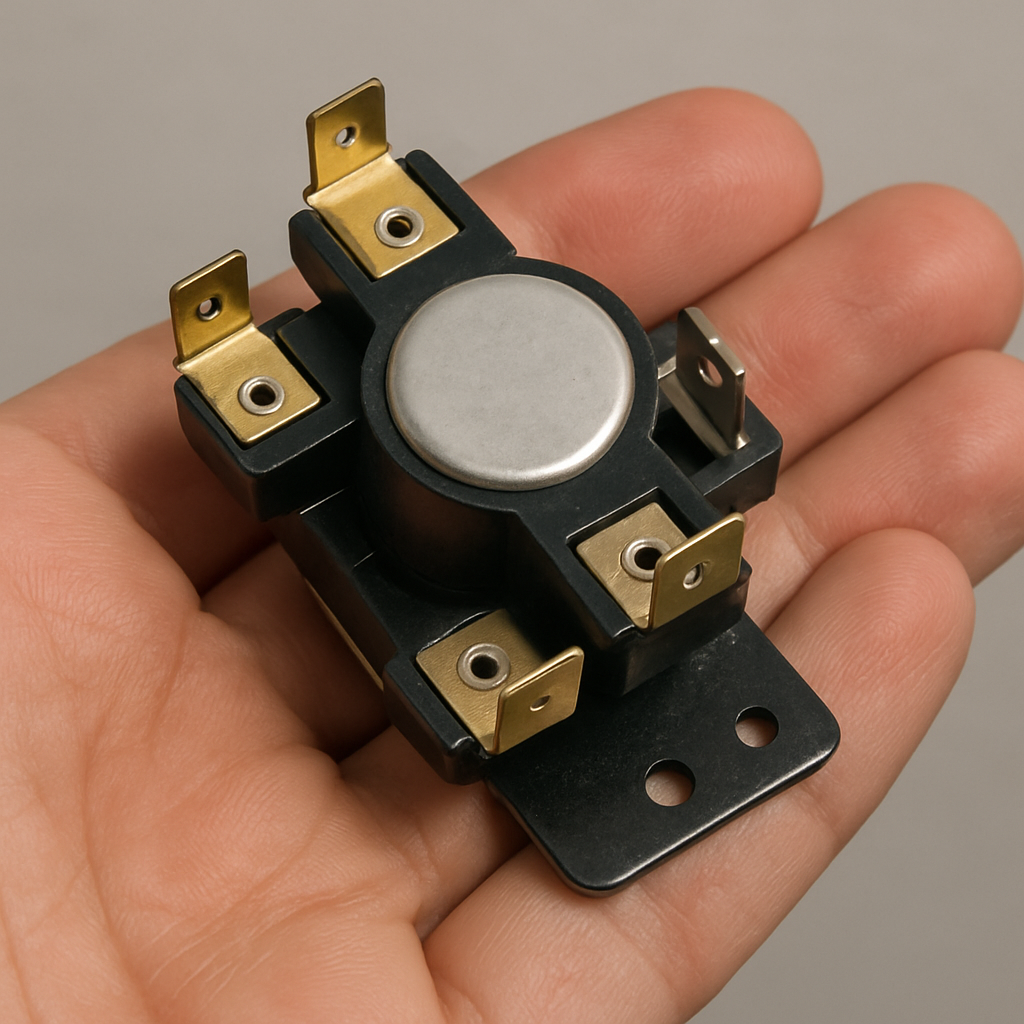
Is your electric furnace running, but the air is lukewarm at best? Or maybe you hear a mysterious click… click… click, but the wave of heat you expect never arrives? These frustrating issues often point to a small but critical component: the heat sequencer.
A furnace making a clicking noise but producing no warmth is a common service call. It typically means the furnace fan runs, but the electric heat strips are not working. This guide explains what the sequencer does, the signs of failure, and your next steps.
What Does a Heat Sequencer Do? Your Furnace’s “Stage Manager” Explained
To understand the sequencer, you have to know how an electric furnace creates warmth. It uses powerful heating elements, which are robust versions of the red-hot wires in a toaster. Your furnace likely has several of these elements to generate enough heat for your entire home.
If all those power-hungry elements switched on at the same instant, it would cause a massive electrical surge—a sudden demand for power that could trip your circuit breaker. It’s the same reason your lights might dim when a large appliance starts up, but on a much bigger scale.
To prevent this overload, your system uses a heat sequencer. Think of it as a “stage manager” for your heating system. When your thermostat calls for heat, the sequencer staggers the activation of the heating elements. It turns on the first heating element and the blower fan, waits 30 to 60 seconds, then activates the next element, and so on. This step-by-step process ensures a smooth power draw and a steady flow of warmth. When this timing gets disrupted, you start to notice problems.
The Telltale Signs of a Faulty Heat Sequencer
A failing sequencer creates distinct problems you can easily spot. If your electric heat is acting up, check for these common symptoms:
- Lukewarm air from vents. This often happens when the sequencer only activates one or two heating elements, leaving the furnace running at a fraction of its power.
- A series of clicks with no heat. The clicking is the sequencer trying to engage, but it’s failing to turn the heating elements on. This is a classic symptom when the furnace fan runs but no heat comes out.
- The blower fan won’t turn off. A sequencer can get “stuck” on, keeping a heating element active. Your system runs the fan continuously as a safety measure to prevent overheating, which can also inflate your electric bill.
Before assuming the sequencer is the culprit, perform a few safe checks to rule out simpler issues.
Is It Really the Sequencer? 3 Safe Checks You Can Do
Before you assume a complex part has failed, rule out the simple stuff first. These three quick, tool-free checks can often solve the problem or confirm you need to call a pro.
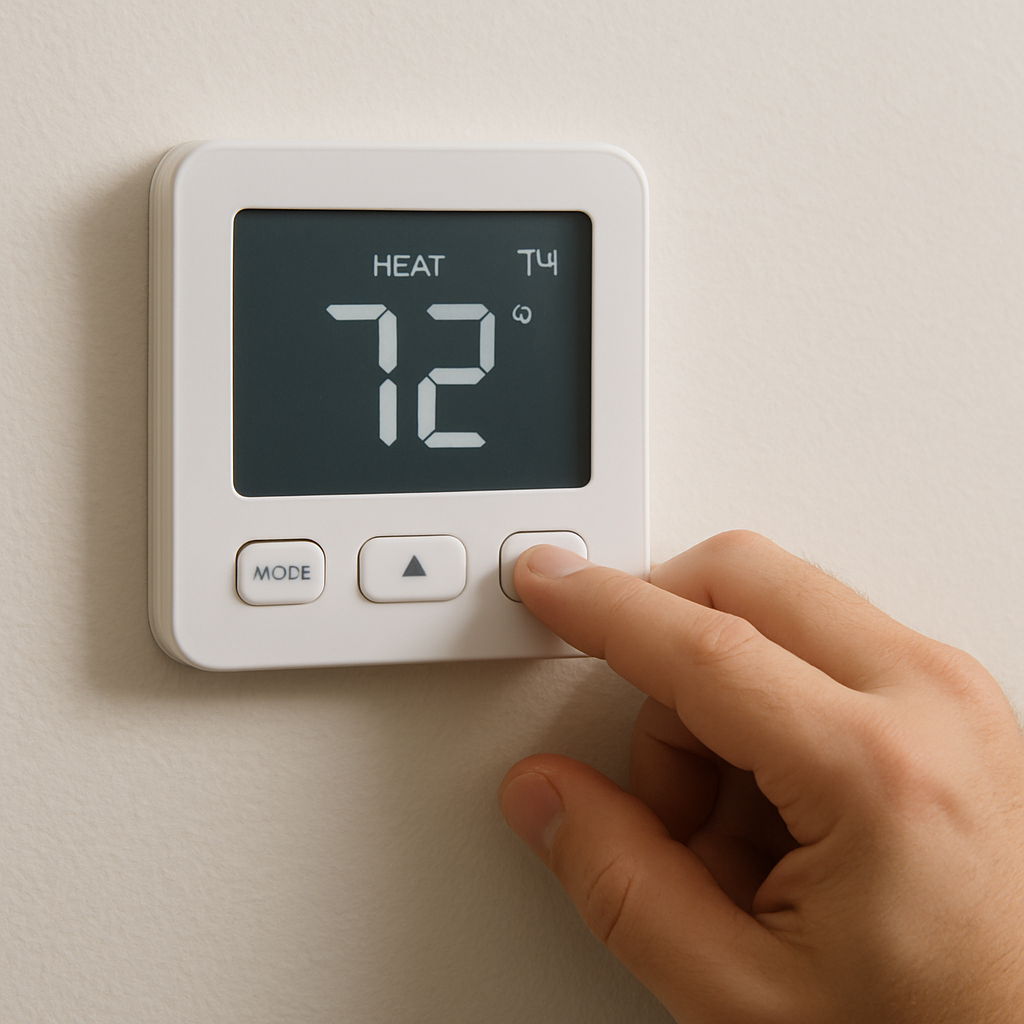
First, check your thermostat. Make sure it’s set to “Heat” and the temperature is higher than the current room temperature. It’s a simple step, but a setting can be accidentally changed.
Next, head to your home’s main electrical panel. Your electric heating system’s dedicated circuit breaker may have tripped. Look for a switch that is in the “Off” position or stuck in the middle. If you find one, flip it firmly to “Off” and then back to “On.” If the electric heat strips not working was due to a temporary overload, this might restore your heat.
A severely clogged air filter is another common cause of heating issues. If air can’t flow freely over the heating elements, they can overheat, and the furnace’s safety switches will shut them down to prevent a fire. This can create a situation where the furnace fan runs but no heat is produced, mimicking a sequencer failure. Check your filter and replace it if it’s dirty.
If you’ve performed these checks and the problem persists, the heat sequencer becomes a prime suspect.
How Much Does a Furnace Sequencer Replacement Cost?
For a professional furnace sequencer replacement, homeowners can typically expect to pay between $175 and $450. This range covers the initial diagnosis, the part, and the labor for the completed repair. The final price depends on your location and the specific HVAC company.
The sequencer part itself is relatively inexpensive, often under $50. The bulk of the cost comes from the service call fee and labor. You’re paying for the technician’s time, expertise, and safety protocols to work inside your system’s high-voltage electrical compartment. This is when to replace electric furnace sequencer parts becomes a professional’s call, as the job requires specialized tools and knowledge to perform safely.
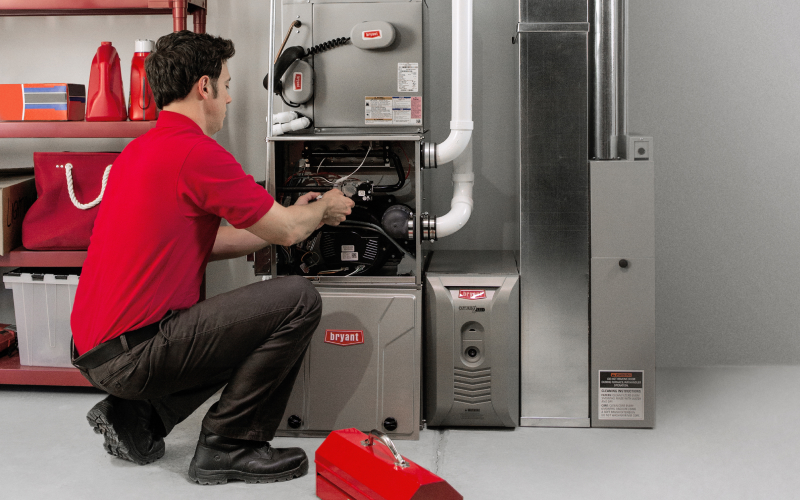
Keep in mind that factors like needing an emergency after-hours service call or complex access to your furnace can increase the price. This breakdown shows you’re investing in a correct, guaranteed repair, not just an expensive component.
Your Next Steps: How to Safely Get Your Heat Back On
Now you can connect symptoms like lukewarm air and faint clicking to a likely heat sequencer failure. The most important part of troubleshooting an electric furnace sequencer is knowing when to stop. After you’ve checked the thermostat, circuit breaker, and air filter, your safe work is done. The next step isn’t a toolkit; it’s your phone.
This is a job for a professional. Instead of just saying, “my heat is broken,” you can call with confidence. Tell the technician, “My system is blowing cool air and I hear clicking. I’ve checked the basics and suspect it might be the sequencer.” This simple statement empowers you and helps ensure a faster, more efficient repair.
An HVAC sequencer controls the timing of heating elements; failures can lead to uneven heating, tripping breakers, or system faults. Spotting symptoms early and acting fast with professional help protects your HVAC system and restores normal operation.
FAQ: