
TL;DR Summary for Those in a Hurry:
- Natural Gas Furnace vs. Electric Heating Systems explains the key differences to help you choose the best heating option for comfort, cost, and your home’s needs.
- Natural gas furnaces heat up quickly, deliver strong warmth in cold weather, and often have lower long-term operating costs where gas prices are favorable.
- Electric heating systems are typically cheaper to install, safer (no combustion risk), and simpler to maintain, with fewer moving parts.
- Gas systems require proper venting, gas lines, and routine maintenance, while electric systems rely fully on electricity and may cost more to run in areas with high power rates.
- Your choice depends on climate, energy costs, safety priorities, and installation complexity—gas for powerful heat in cold areas, electric for simplicity and safety in milder climates.
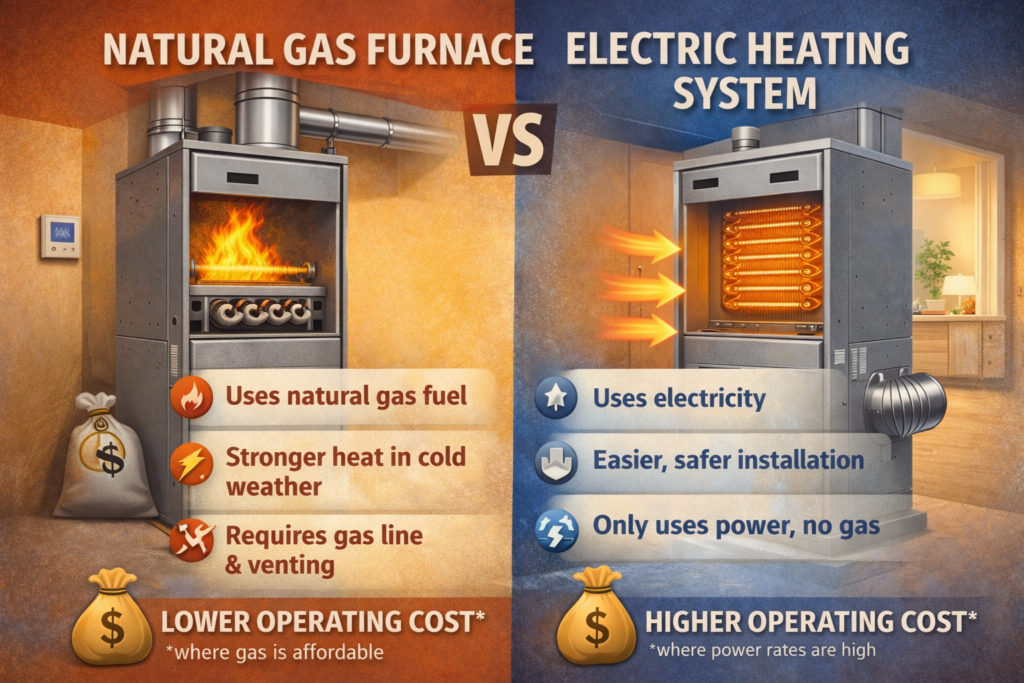
Natural gas furnaces, also known as gas heater furnaces, have been a popular choice for many homeowners due to their efficiency and cost-effectiveness. Operating on natural gas, these furnaces work by burning gas to produce heat, which is then distributed throughout the home via a forced air system.
Exploring Natural Gas Furnaces
Benefits of Natural Gas Furnaces
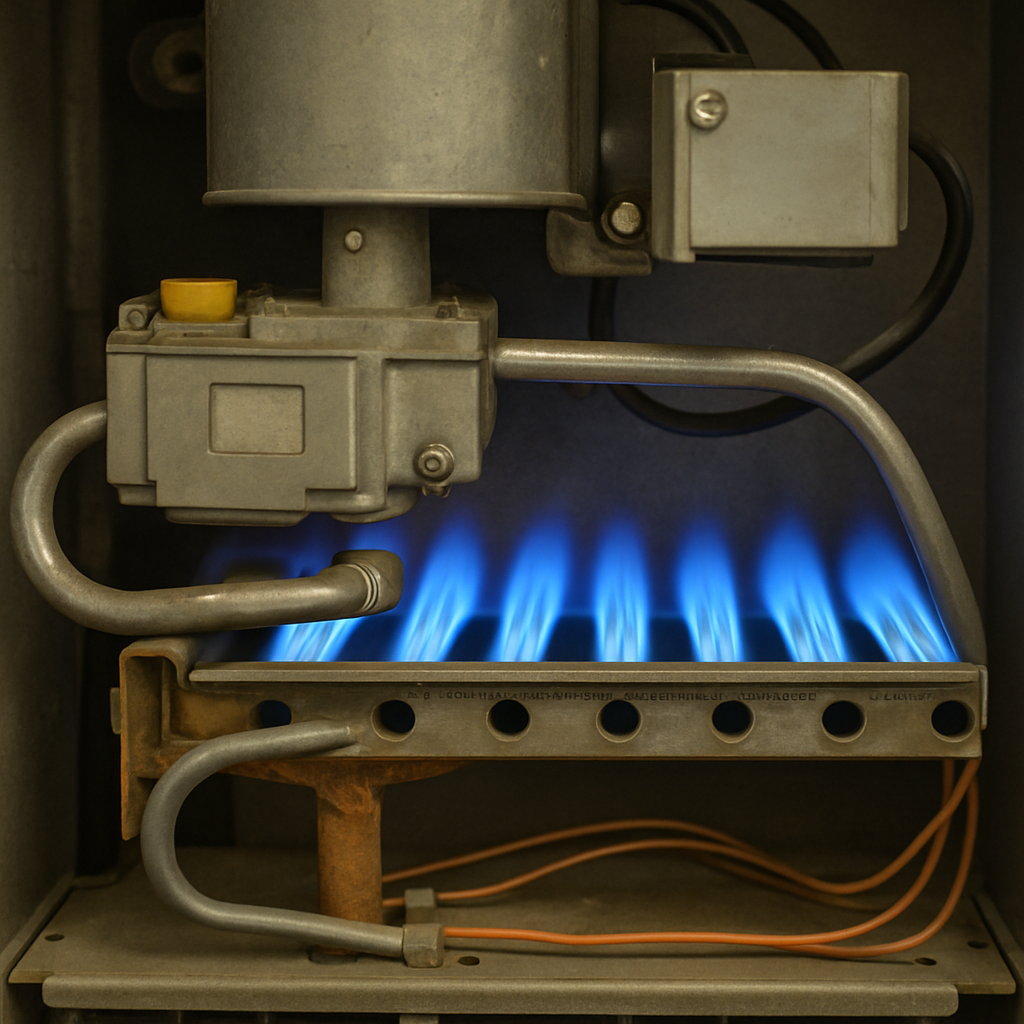
- Energy Efficiency: Natural gas furnaces are renowned for their high efficiency, which translates to lower energy bills. With advancements in technology, newer models have reached unprecedented efficiency levels, offering up to 98% efficiency. This means almost all the energy consumed is converted into heat, minimizing waste and maximizing savings. High-efficiency models often come with features like variable speed blowers and two-stage gas valves that enhance performance further.
- Cost-Effectiveness: The initial investment in a natural gas furnace can vary, but the operational costs are generally lower than electric systems due to the lower cost of natural gas. Over the years, the savings on monthly utility bills can significantly offset the upfront costs. Moreover, natural gas prices have historically been more stable compared to electricity, providing a more predictable budget for homeowners.
- Reliability: Gas furnaces are built to last, with a robust design that can withstand harsh weather conditions. With proper maintenance, they can have a lifespan of 15 to 20 years, making them a long-term investment. The reliability of gas furnaces is further enhanced by their ability to provide consistent heat output even during extreme cold, ensuring comfort during the harshest winter months.
- Environmentally Friendly: Compared to other fossil fuels, natural gas is the cleanest burning, resulting in fewer emissions. As more homeowners and developers focus on sustainability, choosing a natural gas furnace can align with eco-friendly goals. Additionally, many manufacturers are now offering models that are compatible with renewable gas sources, further reducing the environmental impact.
Considerations for Natural Gas Furnaces
- Installation Costs: The cost to install a natural gas furnace can be significant. It often involves additional expenses such as ductwork modifications and venting requirements. However, it’s important to weigh these costs against the long-term savings in energy costs. Financing options or rebates might also be available to ease the initial financial burden.
- Maintenance: Regular maintenance is crucial to ensure optimal performance and longevity. This includes annual inspections, cleaning, and tune-ups to prevent issues like carbon monoxide leaks or inefficient burning. At UPRIGHT HVAC and Construction, we offer comprehensive maintenance plans designed to keep your system running smoothly and efficiently throughout its lifespan.
- Fuel Availability: While natural gas is widely available in urban and suburban areas, some rural locations might not have access to natural gas lines. In such cases, homeowners might need to consider alternative heating solutions or the costs associated with extending gas lines to their property.
Exploring Electric Heating Systems
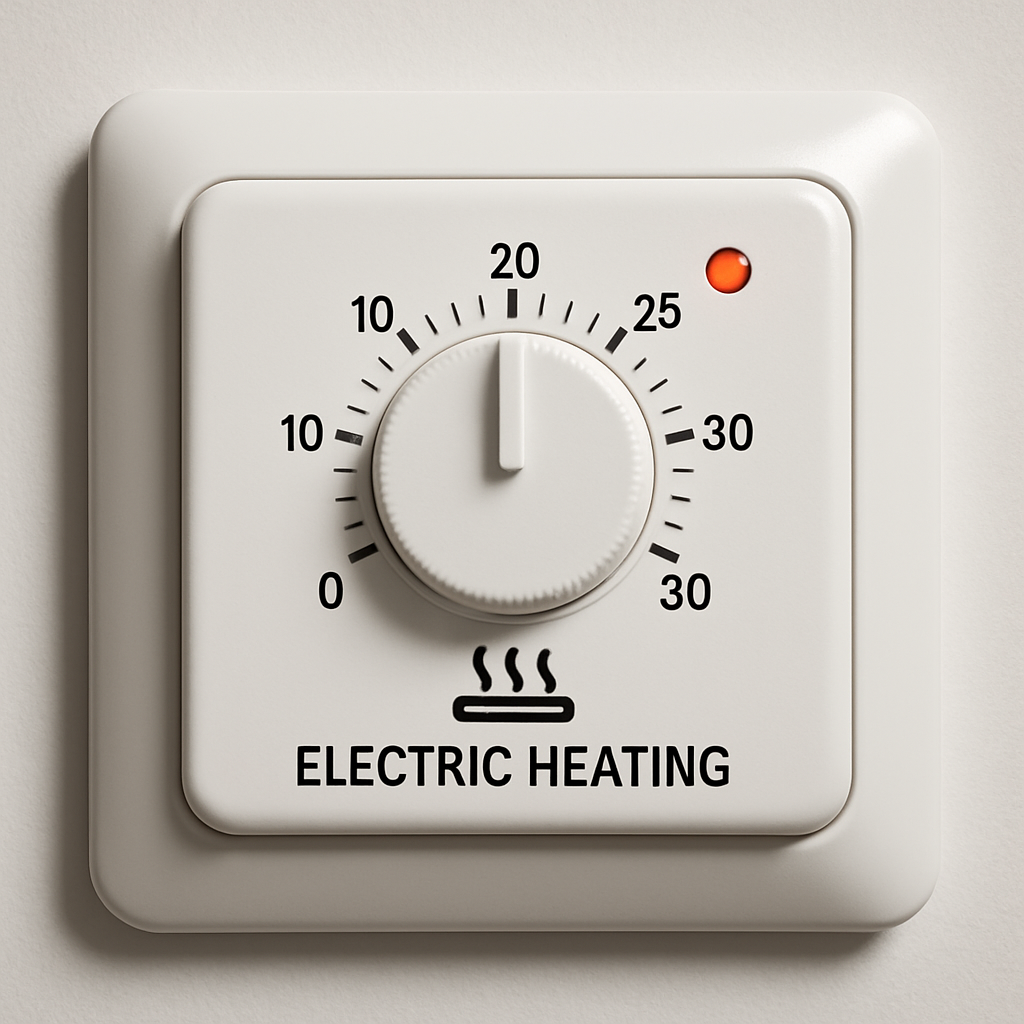
Electric heating systems encompass a range of options, from baseboard heaters to more sophisticated heat pumps. These systems utilize electricity to generate heat and can be an effective solution depending on your specific needs and location.
Advantages of Electric Heating Systems
- Versatility: Electric systems offer remarkable versatility, making them suitable for a wide variety of applications. Whether it’s a compact apartment or a sprawling mansion, electric heating systems can be tailored to fit specific heating needs. With options like electric baseboard heaters, radiant floor heating, and ductless mini-splits, homeowners can choose a system that suits their space and lifestyle.
- Ease of Installation: Generally, electric systems are easier and cheaper to install compared to gas systems, particularly in homes without existing gas lines. The installation process is often less invasive, with minimal modifications needed to the existing infrastructure. This ease of installation makes electric systems a popular choice for renovations or in areas where natural gas is not readily accessible.
- Low Maintenance: Electric heating systems typically require less maintenance compared to gas furnaces, reducing the long-term upkeep costs. Without the need for fuel combustion, these systems avoid issues like soot buildup or gas leaks. However, it’s still essential to perform regular checks to ensure components like thermostats and wiring are functioning correctly.
Drawbacks of Electric Heating Systems
- Higher Operating Costs: Electricity is often more expensive than natural gas, leading to higher operating costs over time. In areas with high electricity rates, this can significantly impact monthly utility bills. It’s important for homeowners to consider local energy prices and potential fluctuations when choosing an electric heating system.
- Slower Heating: Electric systems may take longer to heat a space compared to the rapid warmth provided by gas furnaces. This slower response time can be a disadvantage in regions with harsh winters, where quick and efficient heating is crucial for comfort. However, advancements in technology, such as electric heat pumps with inverter technology, are helping to mitigate this issue by providing more consistent and faster heating.
- Carbon Footprint: Although electric systems produce no on-site emissions, the overall environmental impact depends on the source of the electricity. In regions where electricity is primarily generated from fossil fuels, the carbon footprint of electric heating can be higher than that of natural gas. Homeowners should consider the energy mix in their area and explore options like green energy tariffs if sustainability is a priority.
Comparing Costs: Natural Gas Furnace vs. Electric Heating
When considering the cost to install a propane furnace or a natural gas furnace, it’s crucial to factor in both the upfront installation costs and the ongoing operating expenses.
Natural Gas Furnace Costs
- Average Installation Cost: The average cost to install a gas furnace ranges from $2,500 to $7,500, depending on the complexity and the model selected. Factors such as the size of the home, the efficiency of the model, and any additional modifications needed can influence the final cost. Homeowners should obtain multiple quotes and consider potential rebates or incentives to reduce the financial burden.
- Long-term Savings: While the initial cost may be higher, the lower operational cost of natural gas can result in significant savings over the lifespan of the furnace. These savings can be further enhanced by choosing high-efficiency models that qualify for tax credits or utility rebates. It’s essential to calculate the total cost of ownership, including maintenance and fuel expenses, to make an informed decision.
- Rebates and Incentives: Many regions offer rebates and incentives for the installation of energy-efficient gas furnaces. These programs can significantly reduce upfront costs and make upgrading more affordable. Homeowners should research available incentives and consult with HVAC professionals to maximize their savings.
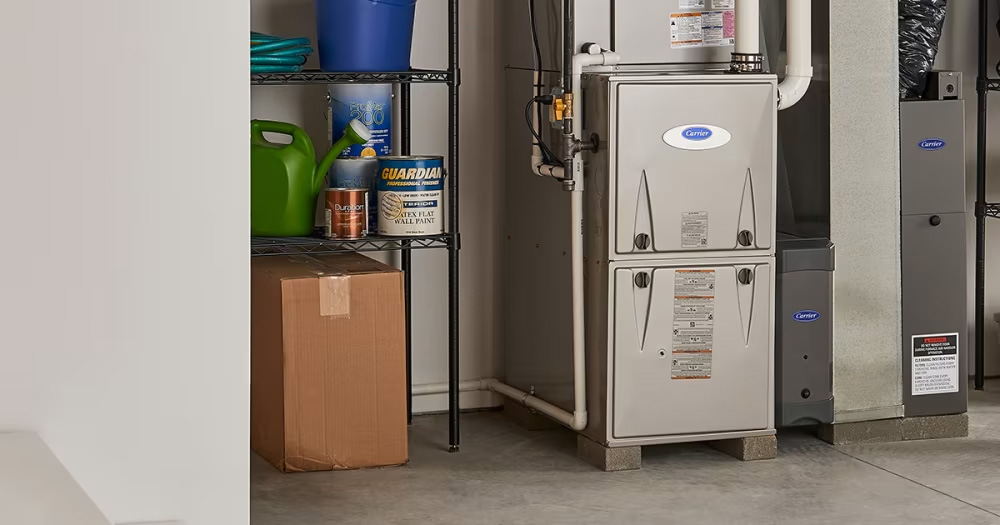
Electric Heating System Costs
- Installation Costs: Generally lower than gas systems, ranging from $1,200 to $5,000, depending on the type and size of the system. The simplicity of electric systems often results in quicker installations, minimizing labor costs. For homes without existing ductwork, electric systems can be particularly cost-effective, as they eliminate the need for complex installations.
- Operating Costs: Can be higher due to electricity prices, particularly in regions where electricity is expensive. To mitigate these costs, homeowners can explore options like time-of-use rates or smart thermostats that optimize energy consumption. Additionally, investing in energy-efficient electric systems, such as heat pumps, can help reduce overall operating expenses.
- Lifecycle Costs: When evaluating electric heating options, it’s important to consider the total lifecycle costs, including potential repairs or replacements. While electric systems generally have lower maintenance costs, their components can wear out over time, necessitating periodic replacements to maintain efficiency.
Making the Right Choice for Your Home
Choosing between a natural gas furnace and an electric heating system depends on various factors, including your budget, location, and specific heating needs. At UPRIGHT HVAC and Construction, we understand the intricacies involved in selecting the right system and offer expert guidance to help you make an informed decision.
Why Choose UPRIGHT HVAC and Construction?
- Expert Advice: With over 15 years of experience, we provide expert advice tailored to your specific requirements. Our team stays updated on the latest industry trends and technologies, ensuring you receive cutting-edge solutions for your heating needs. We take the time to understand your preferences and budget, offering personalized recommendations that align with your goals.
- Quality Service: Our commitment to client satisfaction ensures that projects are completed on time and within budget, using only the highest-quality parts. We prioritize clear communication and transparency, keeping you informed at every stage of the process. Our skilled technicians are dedicated to delivering exceptional results that exceed your expectations.
- Comprehensive Solutions: From system installation to maintenance and emergency services, we offer a full suite of HVAC solutions to meet your needs. Our comprehensive approach means you can rely on us for all your heating and cooling requirements, ensuring seamless performance and peace of mind. Whether it’s a routine service or an urgent repair, we’re here to support you every step of the way.
- Transparent Pricing: We offer fair pricing and detailed estimates to ensure you know what to expect, with no hidden costs. Our straightforward pricing model eliminates surprises, allowing you to budget effectively for your heating system investment. We believe in building long-term relationships with our clients based on trust and integrity, ensuring your satisfaction and confidence in our services.
Conclusion
As we look toward 2026, understanding the differences between natural gas furnaces and electric heating systems is crucial for making the best choice for your home. Whether you’re seeking to upgrade your current system or install a new one, UPRIGHT HVAC and Construction is here to help. Our expertise in HVAC services and commitment to excellence ensures that you receive the best possible solution for your heating needs. Contact us today to learn more about how we can assist you in achieving a warm, energy-efficient home.
Weigh the benefits of Natural Gas Furnace vs. Electric Heating Systems based on upfront costs, operating costs, heat output, safety, and maintenance to pick the best fit for your home.
FAQ: