- Why do HVAC systems fail early? The core causes explained
- How clogged air filters cause HVAC system failures
- Are installation and sizing errors causing your system to fail?
- What role do capacitors and contactors play in early HVAC breakdowns?
- How does skipping preventative maintenance accelerate HVAC failure?
- Key Takeaways
- What I’ve learned after 15 years of HVAC work in Los Angeles
- How Upright Construction & HVAC helps you prevent early failures
- FAQ
- Recommended
TL;DR:
- Early HVAC system failures often result from improper installation, poor maintenance, or airflow restrictions. Regular filter changes, correct system sizing, and professional tune-ups can prevent most problems before they cause costly breakdowns. Using smart controls enhances early detection, helping homeowners extend their system’s lifespan.
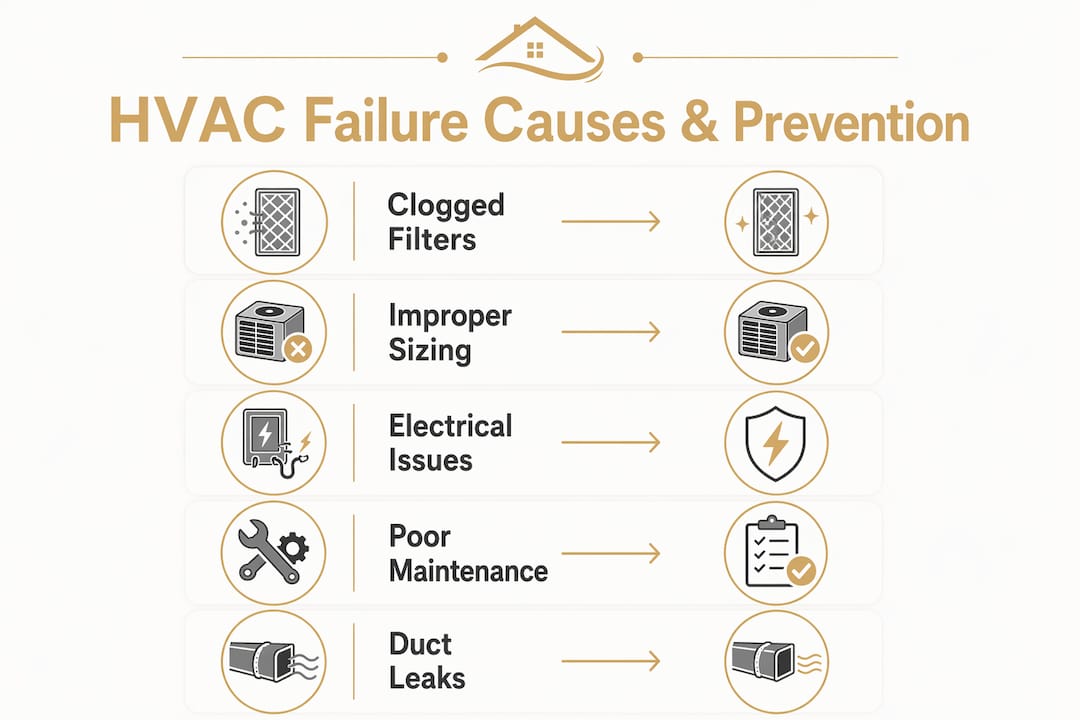
Early HVAC system failure is defined as a breakdown or major performance loss that occurs well before the system’s expected lifespan. Most HVAC failures trace back to installation errors, airflow restrictions, and poor maintenance that create hidden instability worsening over time. As someone who has worked on HVAC systems across Los Angeles for over 15 years, I see the same patterns repeat. Clogged filters, undersized equipment, failing capacitors, and skipped maintenance are why hvac systems fail early in the vast majority of cases. Understanding these causes gives you the power to act before a small problem becomes a $5,000 repair.
Why do HVAC systems fail early? The core causes explained
The short answer is that most early failures come from four overlapping problems: restricted airflow, sizing and installation errors, electrical component wear, and deferred maintenance. These issues rarely announce themselves loudly. Hidden gradual degradation builds over years, causing comfort problems and efficiency drops that homeowners often miss until the system stops working entirely. Each cause feeds the others. A dirty filter strains the compressor. A strained compressor draws more current. Higher current accelerates capacitor wear. The chain reaction is predictable and preventable.
How clogged air filters cause HVAC system failures
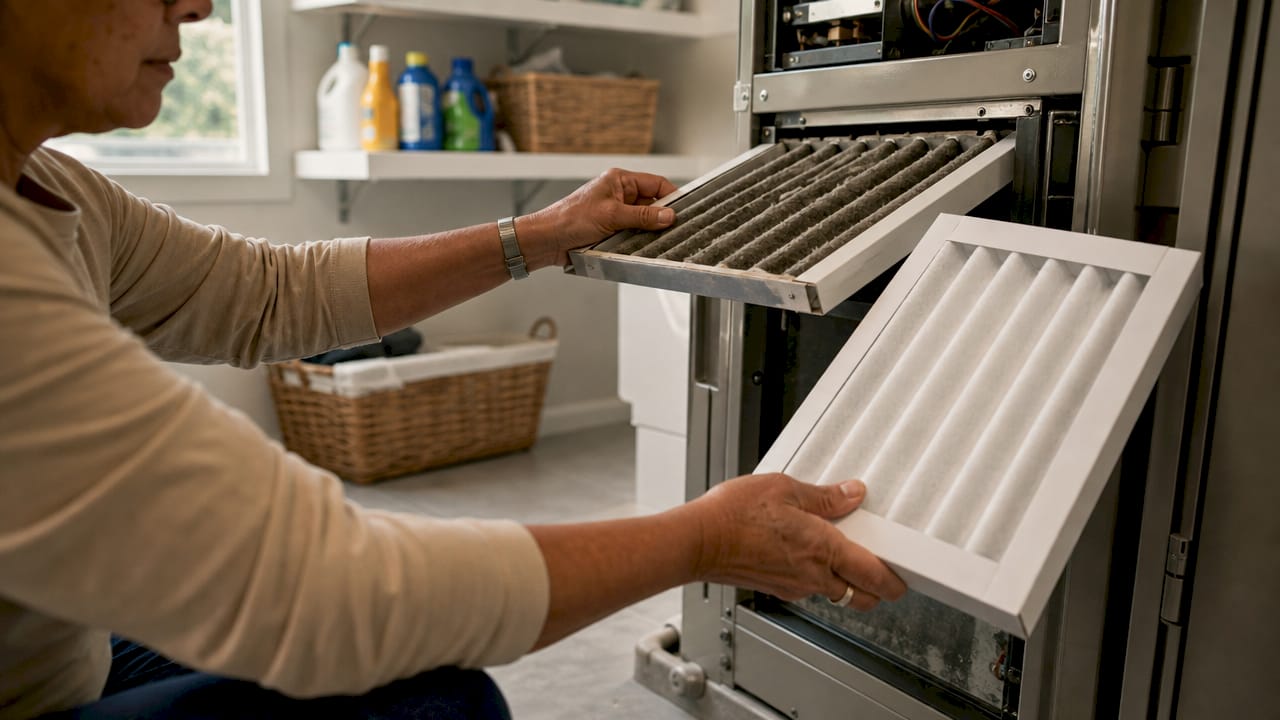
Dirty air filters are the single most common cause of early HVAC system problems. Clogged filters account for about 70% of AC service calls, and a blocked filter can freeze evaporator coils within 30–60 minutes of operation. That is not a slow decline. That is a system shutting itself down in under an hour.
When airflow is restricted, the evaporator coil cannot absorb enough heat from the air passing over it. The coil temperature drops below freezing, ice forms, and the system short cycles to protect itself. Short cycling cuts compressor lifespan by 30–50% because each startup sends a high surge of electrical current through the motor. A compressor that should last 15 years can fail in 7 or 8 under these conditions.
The signs of airflow restriction are easy to spot if you know what to look for:
- Weak airflow from supply vents even when the system is running
- Ice buildup on the refrigerant lines or the indoor unit
- The system running longer than usual without reaching the set temperature
- Higher than normal energy bills with no change in usage habits
- Musty odors from the vents, which signal moisture buildup from coil icing
Pro Tip: Hold your filter up to a light source. If you cannot see light through it, replace it immediately. This “light test” takes 10 seconds and can save you a compressor.
Replacing filters monthly during peak summer and winter months in Los Angeles is a minimum standard, not a suggestion. For homes with pets or dusty environments, every three weeks is better. You can find a full breakdown of filter types and replacement schedules in this filter replacement guide from Upright Construction & HVAC.
Hidden duct leaks also restrict airflow in ways that dirty filters do not. A duct system losing 20% of its conditioned air through gaps or disconnected joints forces the system to run longer and harder. If your filter is clean but airflow still feels weak, duct leakage is the next place to check.
Are installation and sizing errors causing your system to fail?
A system’s lifespan depends more on correct installation and load calculation than on the equipment brand. Poor commissioning is a leading failure cause, and it is one that homeowners almost never see coming because the damage is invisible at first.
Oversized vs. undersized systems
An oversized system cools the space too quickly, shuts off before completing a full cycle, and never runs long enough to remove humidity properly. The result is a clammy, uncomfortable home and a compressor cycling on and off dozens of times per day. An undersized system runs constantly, never reaches the set temperature on hot days, and wears out its components through sheer overwork. Both scenarios shorten system life significantly.
The correct approach is a Manual J load calculation, which accounts for square footage, insulation levels, window placement, local climate, and occupancy. Skipping this step and sizing by rule of thumb is one of the most common HVAC system mistakes contractors make.
Refrigerant charging and electrical connections
Improper refrigerant charging and faulty electrical connections place latent stress on components from day one. A system running with too little refrigerant works harder to reach target temperatures. A system with too much refrigerant risks liquid slugging the compressor. Neither condition is obvious to the homeowner, but both cause progressive damage.
Loose electrical connections at the contactor, capacitor, or control board create resistance and heat. That heat degrades insulation and accelerates component failure. Small issues from improper charging or electrical faults eventually escalate into costly breakdowns during peak seasonal demand, exactly when you need the system most.
Pro Tip: Ask your installer for documentation of the Manual J calculation and the refrigerant charge reading at startup. A reputable contractor will provide both without hesitation.
What role do capacitors and contactors play in early HVAC breakdowns?
Capacitors are the most frequently failing components in residential HVAC systems. They store and release electrical energy to start and run the compressor and fan motors. When a capacitor weakens, the motor struggles to start, draws excess current, and generates heat that shortens its own life.
Capacitors and contactors often fail during the first heatwave of summer because they degrade silently during the offseason when the system sits idle. The component looks fine in april. By june, when the system runs hard for the first time, it fails under load. This is why the first hot day of the year generates more emergency HVAC calls than any other single event.
Watch for these signs of electrical component failure:
- A clicking sound from the outdoor unit that does not lead to startup
- The outdoor fan not spinning even though the system is calling for cooling
- The system starting slowly or humming before the compressor kicks in
- Frequent tripped breakers on the HVAC circuit
- The system running but not cooling, with the outdoor unit feeling unusually warm
A failed capacitor typically costs $150–$300 to replace. A failed compressor caused by a neglected capacitor costs $1,500–$2,500 or more. The math is straightforward. Learn more about the components inside your system to better understand what your technician is checking during a service visit.
Pro Tip: Ask your HVAC technician to test capacitor microfarad readings during every annual tune-up. A reading more than 10% below the rated value means the capacitor needs replacement before it fails.
How does skipping preventative maintenance accelerate HVAC failure?
Deferred maintenance is the quietest cause of early HVAC system failure. No single missed service appointment destroys a system. But three or four years of skipped tune-ups, unchanged filters, and unchecked refrigerant levels create compounding damage that shortens system life by years.
Restricted airflow, aging parts, and missed maintenance together cause noise, inefficiency, and eventual breakdown. The condensate drain is a perfect example. A clogged drain line causes water to back up into the air handler, damaging the blower motor and creating mold growth inside the unit. Clearing the drain takes five minutes. Replacing a water-damaged blower motor takes five hours and several hundred dollars.
A practical maintenance schedule for homeowners looks like this:
- Replace air filters every 1–3 months depending on usage and air quality conditions.
- Clear the condensate drain line with a cup of diluted white vinegar every three months.
- Inspect the outdoor unit for debris, bent fins, and vegetation growing too close to the cabinet.
- Check refrigerant lines for ice buildup or oily residue, which signals a refrigerant leak.
- Schedule a professional tune-up twice a year, once before summer and once before winter.
- Test thermostat calibration by comparing its reading to a separate thermometer in the same room.
Smart HVAC controls reduce annual energy consumption by up to 10% and send automated alerts when performance drops before a failure occurs. Systems like Ecobee and Nest track runtime patterns and flag anomalies that a homeowner would never notice on their own. Pairing smart controls with a professional maintenance contract gives you both real-time monitoring and expert eyes on the system twice a year.
The HVAC maintenance checklist for homeowners from Upright Construction & HVAC walks through every task in detail, including which ones require a licensed technician and which you can handle yourself.
Pro Tip: Keep a simple maintenance log. Write down the date of every filter change, service visit, and repair. Patterns in that log will tell you and your technician exactly where the system is under stress.
Key Takeaways
Early HVAC failure is almost always preventable when homeowners address airflow, installation quality, electrical components, and maintenance before problems escalate.
| Point | Details |
|---|---|
| Dirty filters are the top cause | Clogged filters cause about 70% of AC service calls and can freeze coils within 30–60 minutes. |
| Sizing errors shorten system life | Oversized and undersized systems both short cycle, cutting compressor lifespan by 30–50%. |
| Capacitors fail silently | Electrical components degrade in the offseason and fail on the first hot day without warning. |
| Maintenance gaps compound damage | Skipped drain clearing, filter changes, and refrigerant checks create progressive, hidden wear. |
| Smart controls add early warning | Smart thermostats like Ecobee and Nest can detect performance drops before a breakdown occurs. |
What I’ve learned after 15 years of HVAC work in Los Angeles
The homeowners who call me in a panic on the hottest day of july almost always have the same story. The system was “working fine” until it wasn’t. What they don’t realize is that it wasn’t fine. It was struggling quietly for months, sometimes years.
The most overlooked cause of early failure, in my experience, is the original installation. A system installed without a proper Manual J calculation or with a sloppy refrigerant charge is already compromised on day one. The homeowner has no way to know this. The system cools the house, so it seems fine. But the stress is there from the start, and it shows up three or four years later as a compressor failure that nobody can explain.
My honest advice is to treat your HVAC system the way you treat your car. You wouldn’t skip oil changes for three years and expect the engine to last. The same logic applies here. Two professional tune-ups per year, monthly filter checks, and a smart thermostat that alerts you to problems will keep most systems running well past their expected lifespan. If you want to go deeper on organizing your maintenance records, that habit alone will help you catch patterns before they become emergencies.
The other thing I tell every property manager I work with: pay attention to your energy bills. A system that is quietly failing will show up as a 15–20% increase in energy use before it shows up as a breakdown. That bill is your early warning system.
— Ernie M
How Upright Construction & HVAC helps you prevent early failures
When your HVAC system starts showing signs of trouble, getting the right diagnosis quickly makes the difference between a $200 fix and a $2,500 replacement.

Upright Construction & HVAC has served Los Angeles homeowners and property managers for over 15 years, with 24/7 emergency support and a transparent diagnostic process that tells you exactly what is wrong and why. Whether you are dealing with a system that short cycles, a unit that won’t start on a hot day, or an energy bill that keeps climbing, the team at Upright Construction & HVAC has seen it before and knows how to fix it right. Start with a look at the most common HVAC repair challenges homeowners face, and reach out when you’re ready for a professional assessment.
FAQ
What is the most common cause of early HVAC failure?
Clogged air filters are the leading cause, responsible for about 70% of AC service calls. They restrict airflow, freeze evaporator coils, and force the compressor to short cycle, cutting its lifespan by 30–50%.
How do I know if my HVAC system was installed incorrectly?
Signs include frequent short cycling, humidity problems indoors, and a system that never quite reaches the set temperature. A licensed technician can verify the refrigerant charge and review whether a proper Manual J load calculation was performed.
Can a failing capacitor damage my compressor?
Yes. A weak capacitor causes the compressor motor to draw excess current on startup, generating heat that accelerates wear. Replacing a failing capacitor early prevents the far more expensive compressor replacement.
How often should I schedule professional HVAC maintenance?
Twice a year is the standard recommendation: once before the cooling season in spring and once before the heating season in fall. This schedule catches electrical component wear, refrigerant issues, and airflow problems before they cause breakdowns.
Do smart thermostats actually help prevent HVAC failures?
Smart thermostats like Ecobee and Nest track runtime patterns and alert homeowners to performance drops before a failure occurs. They also reduce annual energy consumption by up to 10%, which lowers the operational stress on the system over time.
Recommended
- Common HVAC Repair Challenges Every Homeowner Should Know
- 9 Signs Your HVAC Needs Replacement This Year
- Home HVAC Furnaces: Top 8 Quick Fixes For Heating Problems With Home HVAC Furnaces – Upright Construction & HVAC
- Top 7 Air Handler Issues And Fixes For Encino Homeowners – Upright Construction & HVAC