- TL;DR Summary for Those in a Hurry:
- What Is an Air Handler? Air Handler Definition and Purpose
- What Does an Air Handler Look Like? Identifying Your HVAC Handler
- Where Is the Air Handler Located? Finding the Air Handler Inside the House
- Key Air Handler Components: Inside the Air Handler Unit
- How Does an Air Handler Work? The Air Circulation Process Explained
- Air Handler and Condensing Unit: How They Work Together
- Types of Air Handlers: Residential, Commercial, and More
- Air Handler Heating and Cooling: Integration with Furnaces, Heat Pumps, and AC
- Air Handler and Indoor Air Quality: Filters, Humidifiers, and More
- Energy Efficiency and Air Handlers: Saving Money and Energy
- Choosing the Right Air Handler for Your Home or Property
- Installation Process: What to Expect from UPRIGHT HVAC and Construction
- Maintenance and Upkeep: Keeping Your Air Handler in Top Shape
- Common Air Handler Problems and Troubleshooting Tips
- When to Repair or Replace Your Air Handler: Signs and Solutions
- Why Choose UPRIGHT HVAC and Construction for Your Air Handler Needs?
- Key Takeaways: Understanding the Basics of Air Handlers
- Get Expert Help from UPRIGHT HVAC and Construction
TL;DR Summary for Those in a Hurry:
- Air Handlers in HVAC Systems are the indoor component that circulates and conditions air by filtering, heating or cooling, and pushing it through your home’s ductwork.
- They house key parts like the blower fan, filters, and coils that work with your furnace or outdoor unit to deliver consistent comfort.
- Proper airflow and filtration help improve indoor air quality and keep temperatures balanced from room to room.
- Different air handler types (single-speed, multispeed, variable-speed) affect efficiency and comfort.
- Understanding how your air handler works and maintaining it regularly can boost HVAC efficiency, extend system life, and lower energy costs
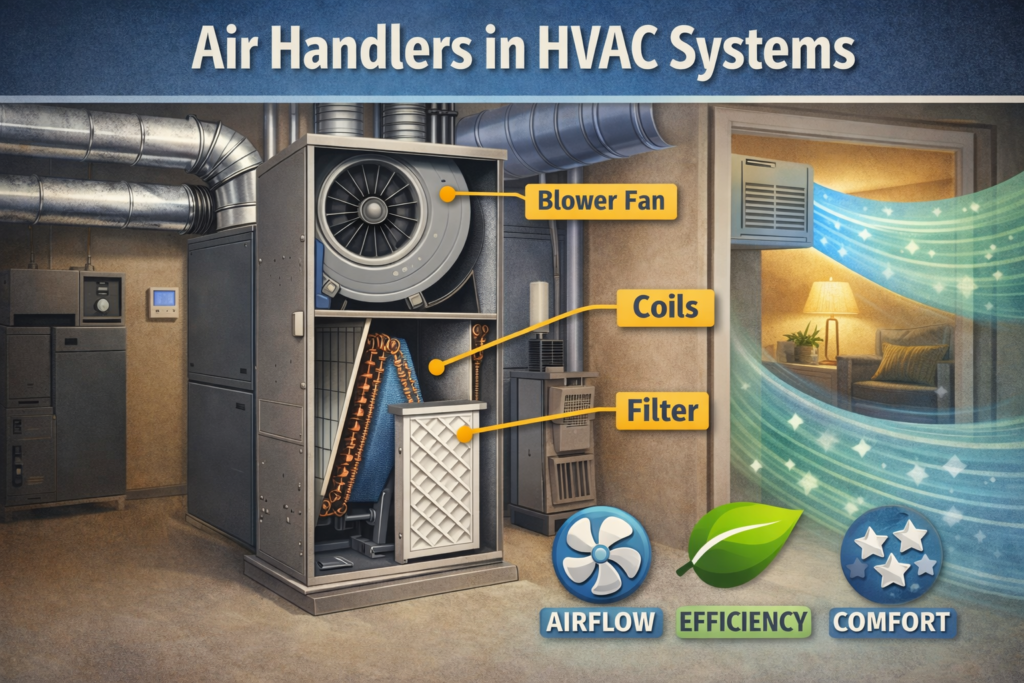
Air handlers are vital components in HVAC systems, yet many homeowners remain unaware of their importance. Understanding air handlers can significantly enhance your home’s comfort and efficiency. These units are responsible for circulating and regulating air throughout your home.
An air handler works in tandem with your heating and cooling systems. It ensures that the air is properly conditioned before it reaches your living spaces. This process is crucial for maintaining a comfortable indoor environment.
At UPRIGHT HVAC and Construction, we understand the complexities of air handlers. Our expertise ensures that your system operates efficiently and reliably. We provide comprehensive services, from installation to maintenance, tailored to your needs.
Homeowners often face challenges with unreliable service technicians. At UPRIGHT HVAC and Construction, we prioritize fair pricing and quality parts. Our commitment is to get things done right the first time.
For those seeking home improvement, understanding air handlers is essential. It empowers you to make informed decisions about your HVAC system. This knowledge can lead to long-term savings and enhanced comfort.
Property developers also benefit from understanding air handlers. It allows for better planning and execution of HVAC installations. This ensures that properties offer lasting value and efficiency.
In this article, we will explore the basics of air handlers. We’ll cover their components, functions, and importance in HVAC systems. Whether you’re a homeowner, renter, or developer, this guide will provide valuable insights.
What Is an Air Handler? Air Handler Definition and Purpose
An air handler is an essential component of an HVAC system. It circulates and regulates air inside your home. Its primary function is to condition the air and distribute it effectively.
Air handlers include various critical components. These components work together to manage airflow, temperature, and humidity. Each part plays a vital role in ensuring your comfort.
Here’s a simple breakdown of key air handler components:
- Blower: Moves air through your ducts.
- Filters: Clean air, removing dust and particles.
- Heating/Cooling Elements: Adjust air temperature as needed.
- Dampers: Control airflow within the system.
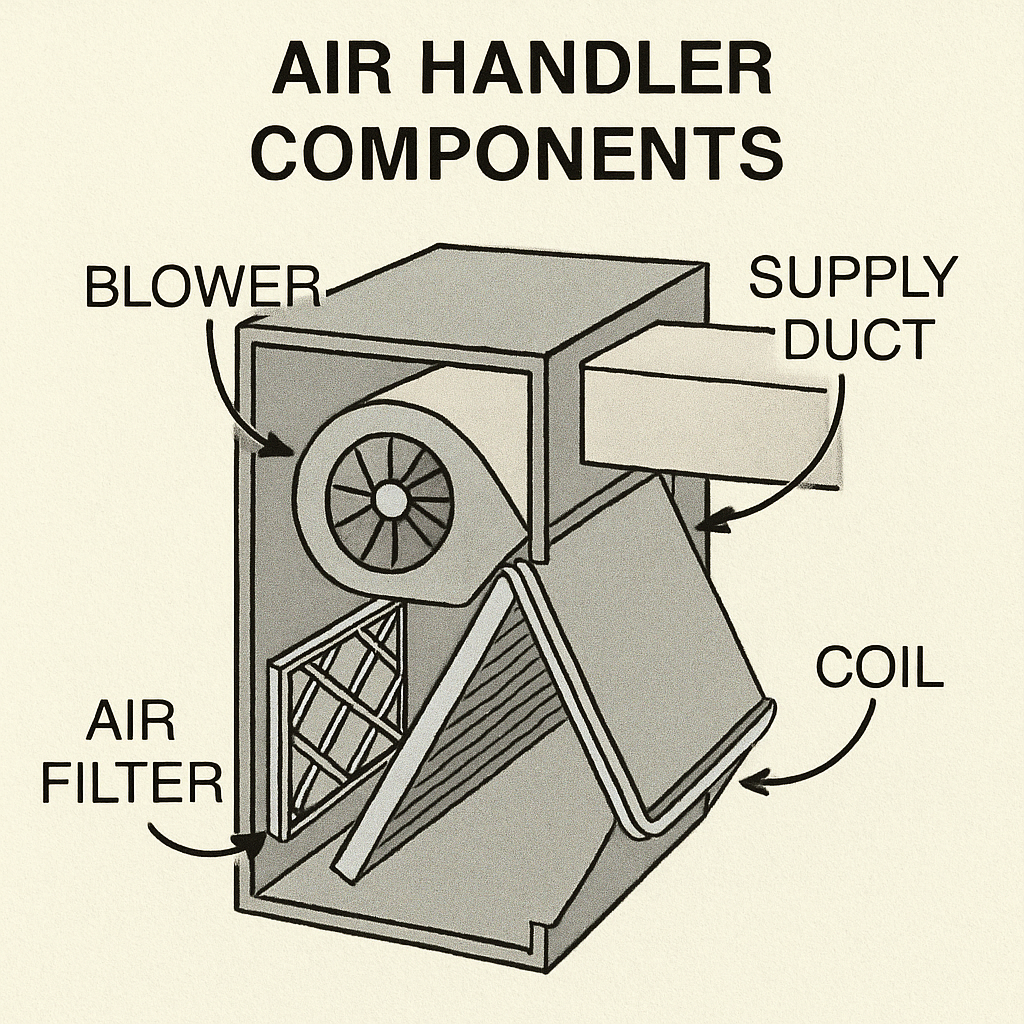
Air handlers differ in size and capability. They’re designed to meet specific needs based on the space they serve. Whether in a home or commercial setting, their design aligns with HVAC requirements.
The purpose of an air handler extends beyond just air movement. It plays a crucial role in heating, cooling, and air quality. Proper function ensures both comfort and energy efficiency in any building.
At UPRIGHT HVAC and Construction, our expertise in air handlers is unmatched. We help ensure that every system achieves its full potential. Understanding these units can empower homeowners to maintain optimal indoor climates.
What Does an Air Handler Look Like? Identifying Your HVAC Handler
Air handlers may vary in size and configuration, but they share common features. Typically, they resemble a rectangular metal box. This box houses critical components like blowers and filters.
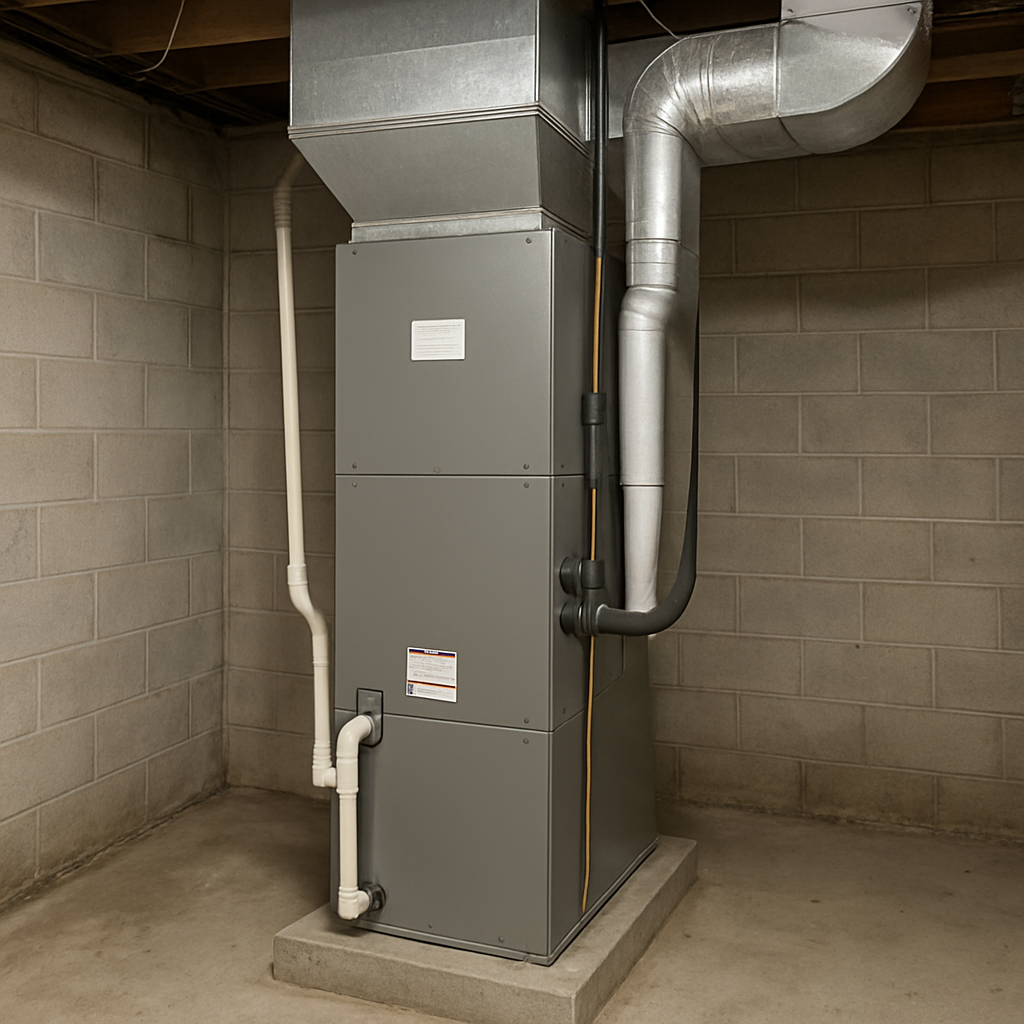
You may find air handlers in different locations, such as basements, attics, or closets. Their design allows them to fit into these varied spaces efficiently. The exterior can appear plain, with a focus on functionality over aesthetics.
A standard air handler unit often features access panels. These panels allow for easy maintenance and inspection of the components inside. It’s crucial to know what your air handler looks like for effective upkeep.
Familiarizing yourself with these units can aid in quick identification. Recognizing your air handler ensures you address issues promptly. At UPRIGHT HVAC and Construction, we offer guidance in locating and identifying your air handler to streamline maintenance and repairs.
Where Is the Air Handler Located? Finding the Air Handler Inside the House
Determining the location of your air handler is essential for routine maintenance. Generally, air handlers are situated in out-of-the-way spots to save living space. They are most commonly found in basements, attics, or specialized closets.
The precise location may vary depending on your home’s design and HVAC system. It’s important to know where your air handler resides for easy access during maintenance or repairs. Here are typical places to check:
- Basement
- Attic
- Utility closet
- Garage
If you’re unsure, consult with a professional for guidance. Locating the air handler is a crucial step toward understanding your HVAC system. At UPRIGHT HVAC and Construction, we specialize in helping homeowners identify and maintain their air handler units efficiently and effectively.
Key Air Handler Components: Inside the Air Handler Unit
Understanding the internal workings of an air handler is essential for maintaining your HVAC system. An air handler’s components work in unison to manage air flow efficiently. Let’s dive into what lies inside.
One of the primary components is the blower, which pushes air through the ducts. It’s driven by a motor that requires regular inspection to ensure its smooth operation.
Filters play a crucial role in enhancing indoor air quality. They trap dust, allergens, and pollutants, ensuring the air circulated is clean and healthy. Regular filter replacement is vital.
Heating and cooling elements are also essential. They adjust the air temperature to match your thermostat settings, contributing to your home’s comfort levels.
Dampers are used to regulate and direct airflow through the ductwork. They help balance the temperature by opening or closing paths within the system.
Here are key components typically found in an air handler:
- Blower and motor
- Air filters
- Heating and cooling elements
- Dampers
- Control systems
Each part is integral to the unit’s overall functionality. Knowing these components can empower homeowners to perform basic troubleshooting and recognize when to call professionals.
At UPRIGHT HVAC and Construction, we prioritize using high-quality parts to ensure durability. Proper understanding of these components can significantly extend the life of your air handler. Trust our experienced technicians for reliable service and maintenance of your HVAC system.
How Does an Air Handler Work? The Air Circulation Process Explained
Air handlers are vital for moving air within your HVAC system. They work tirelessly to keep your home comfortable year-round. But how exactly do they achieve this?
It all starts with the blower. The blower draws in air from your home. It pushes this air across heating or cooling elements.
Once the air reaches the desired temperature, it travels through ductwork. This network of ducts distributes air throughout the home.
Filters ensure the circulated air is clean and healthy. These filters remove dust, debris, and allergens during the process.
Air circulation involves:
- Blower operation
- Filtering air
- Heating or cooling
- Duct distribution
The control system plays an essential role. It regulates when the blower activates. It ensures the system runs efficiently.
Proper maintenance of these components is crucial. It ensures the air handler operates optimally, providing energy savings. Understanding this process empowers homeowners to handle minor issues.
At UPRIGHT HVAC and Construction, our expertise in maintaining air handlers guarantees longevity and efficiency. We ensure your system works seamlessly, giving you peace of mind. Trust us to help keep your HVAC system running smoothly.
Air Handler and Condensing Unit: How They Work Together
The air handler and condensing unit are the dynamic duo of HVAC systems. They perform complementary roles in maintaining your home’s climate. Here’s a closer look at how they collaborate.
The condensing unit typically sits outside your home. It expels heat absorbed from the indoor air, aiding in cooling. This unit includes a compressor, fan, and condenser coil.
Meanwhile, the air handler takes the cooled refrigerant from the condensing unit. It circulates this refrigerant through its coils. The blower then distributes the conditioned air into the living spaces.
Together, these components create a seamless cycle:
- Condensing unit expels heat
- Air handler circulates refrigerant
- Blower distributes conditioned air
- System works efficiently to maintain comfort
Routine maintenance ensures both units work optimally. UPRIGHT HVAC and Construction provides comprehensive services to keep these units in peak condition. Understanding their symbiotic relationship can help prevent costly breakdowns and enhance system efficiency.
Types of Air Handlers: Residential, Commercial, and More
Air handlers come in various forms to meet diverse needs. They are tailored to fit different environments and operational demands. Let’s delve into the main types available.
Residential Air Handlers
Residential air handlers are designed for homes. They focus on comfort and energy efficiency. These units are generally compact, suitable for limited spaces.
Commercial Air Handlers
Commercial air handlers cater to larger spaces like offices and malls. They are robust and built to handle higher demands and larger volumes.
Specialized Air Handlers
Specialized air handlers address unique needs. Examples include those designed for cleanrooms, where air purity is critical.
Key Variations Across Types
- Size and capacity differences
- Variable speed options
- Integration capabilities with heating or cooling systems
Each type of air handler serves a specific purpose. Understanding the right fit can greatly impact system efficiency and satisfaction. UPRIGHT HVAC and Construction offers expert guidance in selecting the ideal unit. Trust us to match you with the perfect air handler for any need.
Air Handler Heating and Cooling: Integration with Furnaces, Heat Pumps, and AC
Air handlers play a crucial role in heating and cooling. They work seamlessly with other HVAC components to optimize comfort. Understanding their integration can help in maintaining a balanced indoor environment.
Integration with Furnaces
Air handlers assist furnaces by circulating warm air. They distribute heated air efficiently throughout your home. This ensures a consistent temperature in every room.
Pairing with Heat Pumps
When paired with heat pumps, air handlers enhance efficiency. Heat pumps transfer heat, and air handlers circulate it effectively. This combination is ideal for regions with moderate climates.
Cooling with Air Conditioners
With air conditioners, air handlers ensure cool air distribution. They move air through ducts to maintain a comfortable ambiance. This integration is vital during hot weather.
Benefits of Integrated Systems
- Improved energy efficiency
- Better air distribution
- Enhanced comfort levels
A well-integrated system reduces energy bills. UPRIGHT HVAC and Construction excels in creating such cohesive systems. We help ensure that each component works in harmony for optimal performance. Whether heating or cooling, we’ve got you covered for ultimate home comfort.
Air Handler and Indoor Air Quality: Filters, Humidifiers, and More
Air handlers significantly impact indoor air quality. They play a vital role in maintaining a healthy and comfortable home environment. This is achieved through essential components like filters and humidifiers.
Importance of Filters
Air filters remove dust, allergens, and pollutants. They ensure that the air circulating in your home is clean and safe. Regularly replacing these filters is crucial to maintain air quality.
Role of Humidifiers
Humidifiers, integrated within air handlers, balance indoor humidity levels. They prevent air from becoming too dry, particularly during winter. This helps in maintaining comfort and reducing respiratory issues.
Enhancements for Better Air Quality
Air handlers can be customized with additional features:
- UV lights to kill bacteria
- Advanced filters for higher efficiency
- Dehumidifiers for moisture control
By optimizing these components, UPRIGHT HVAC and Construction ensures superior indoor air quality. Trust us to install and maintain systems that cater to your specific needs. Our expertise can transform your home into a healthier living space.
Energy Efficiency and Air Handlers: Saving Money and Energy
Maximizing energy efficiency in your HVAC system is crucial for cost savings. An efficient air handler can significantly reduce energy usage. This leads to lower utility bills and environmental benefits.
Key Features for Efficiency
Modern air handlers incorporate energy-saving technologies. Variable speed motors and advanced control systems adjust to your home’s needs. This optimizes performance and minimizes energy waste.
Strategies to Enhance Efficiency
To ensure your air handler operates efficiently:
- Schedule regular maintenance to keep components clean
- Install programmable thermostats for better control
- Seal ducts to prevent air leaks
These strategies help maintain consistent indoor temperatures without overworking the system.
By focusing on energy efficiency, UPRIGHT HVAC and Construction provides solutions that are both economical and eco-friendly. Our team is dedicated to equipping you with systems that balance comfort with savings, adapting to your unique home requirements.
Choosing the Right Air Handler for Your Home or Property
Selecting the right air handler is crucial for achieving optimal comfort and efficiency. It begins with understanding your home’s specific needs. The size of the home and climate significantly influence your choice.
Factors to Consider
When choosing an air handler, consider:
- Size: Larger homes require more powerful units
- Climate: Cooler regions may benefit from electric air handlers
- Budget: Balance between initial cost and long-term efficiency
These factors ensure you select a unit that provides value and meets your requirements.
Customization Options
Air handlers come with customizable features. These include humidifiers and advanced filtration systems. They enhance comfort and air quality, tailored to your preferences.
At UPRIGHT HVAC and Construction, we guide you through this decision-making process. Our expert advice ensures you choose an air handler that meets your needs and enhances your property’s value.
Installation Process: What to Expect from UPRIGHT HVAC and Construction
At UPRIGHT HVAC and Construction, we ensure a seamless air handler installation process. Our team begins with a comprehensive assessment of your needs. This includes evaluating the size of your space and existing HVAC setup.
Installation day involves several meticulous steps:
- Preparation: Clearing area for installation
- Installation: Positioning and securing the air handler
- Testing: Verifying correct operation and efficiency
We focus on precision and attention to detail. This minimizes disruptions and ensures efficiency in your HVAC system.
Throughout the process, our technicians ensure that you understand each step. We are committed to installing systems correctly the first time. This dedication guarantees that your air handler performs optimally and lasts for years to come.
Maintenance and Upkeep: Keeping Your Air Handler in Top Shape
Proper maintenance is crucial to ensure your air handler’s longevity. Regular upkeep can prevent costly repairs. It also ensures efficient operation and optimal indoor air quality.
Here’s a simple maintenance checklist to follow:
- Inspect Filters: Change them every 1-3 months
- Check Blower Components: Clean and lubricate as needed
- Examine Electrical Connections: Tighten loose connections
- Look for Leaks: Address any air or water leaks promptly
Scheduling annual professional inspections is wise. These check-ups identify potential issues early. At UPRIGHT HVAC and Construction, we offer comprehensive maintenance services.
Our experienced technicians ensure each component functions correctly. We prioritize extending the life and efficiency of your air handler. By following these maintenance steps, you can enjoy a more comfortable home.
Take advantage of our tailored maintenance plans. This approach prevents future issues and enhances system performance. Trust UPRIGHT HVAC and Construction for expert care and service excellence.
Common Air Handler Problems and Troubleshooting Tips
Air handlers, like all HVAC components, can encounter issues. Understanding common problems can help you troubleshoot effectively. Here are several frequent issues along with practical solutions.
- Poor Airflow: Often results from clogged filters. Ensure regular filter replacement.
- Unusual Noises: Could indicate loose parts or worn-out components. Inspect the motor and fan belt for damage.
- Frequent Cycling: May be due to thermostat malfunctions. Check the thermostat settings and calibration.
- Leaking Water: Typically caused by a clogged condensate drain. Clear the drain line to resolve this issue.
- Inconsistent Temperatures: Could arise from duct leaks. Inspect ductwork and seal any gaps.
For problems beyond basic troubleshooting, professional help is advisable. At UPRIGHT HVAC and Construction, we offer reliable repair services. Our experts can swiftly identify and fix issues to restore your comfort. Avoid prolonged system downtime with our efficient support. Always prioritize safety and quality when dealing with HVAC problems. Trust us for fair prices and lasting solutions.
When to Repair or Replace Your Air Handler: Signs and Solutions
Deciding whether to repair or replace your air handler depends on specific signs. Recognizing these indicators can help ensure your HVAC system operates efficiently.
First, consider the age of the unit. Air handlers typically last 10-15 years. If yours is older, replacement might be more cost-effective.
Next, look for recurring issues. Frequent breakdowns signal that repairs might only provide temporary relief.
Notice increasing utility bills? This can mean your air handler is no longer energy efficient.
- Persistent Inefficiency: If performance drops despite regular maintenance, consider replacement.
Finally, evaluate repair costs. If they exceed half the cost of a new unit, investing in a new air handler could be wiser. UPRIGHT HVAC and Construction offers expert advice to help you make an informed decision. Balancing costs and efficiency is key to your comfort and savings.
Why Choose UPRIGHT HVAC and Construction for Your Air Handler Needs?
Choosing the right service provider is crucial for HVAC solutions. UPRIGHT HVAC and Construction stands out as a top choice for several reasons.
First, our team consists of seasoned professionals. With over 15 years of experience, we deliver expert services tailored to your needs.
Moreover, we prioritize fair pricing and quality parts. Our goal is to provide cost-effective solutions that stand the test of time.
- Expertise in HVAC systems and construction
- Commitment to client satisfaction
- Reliable and lasting solutions
- Transparent and affordable pricing
Finally, our dedication to client satisfaction is unmatched. We ensure every job is done right the first time, on budget. Choose UPRIGHT HVAC and Construction for peace of mind and superior service. We transform air handler challenges into seamless solutions tailored just for you.
Key Takeaways: Understanding the Basics of Air Handlers
Air handlers play a crucial role in maintaining indoor comfort. They regulate air circulation and contribute to energy efficiency.
Choosing the right air handler impacts your HVAC system’s performance. Regular maintenance can prevent costly repairs and enhance its lifespan.
To recap, here are key points about air handlers:
- Function: Circulate and condition air
- Location: Often in basements or attics
- Maintenance: Essential for efficiency and longevity
UPRIGHT HVAC and Construction is dedicated to providing expert guidance and reliable service to meet your air handler needs effectively.
Get Expert Help from UPRIGHT HVAC and Construction
When dealing with air handlers, expert help can make a difference. At UPRIGHT HVAC and Construction, we specialize in providing top-notch HVAC services. Our team is committed to ensuring your system runs optimally.
Here’s why you should choose us:
- Experienced Technicians: Skilled professionals with over 15 years of industry expertise.
- Customer Satisfaction: Dedicated to meeting and exceeding your expectations.
- Quality Solutions: Offering reliable and cost-effective services.
Learn the basics of Air Handlers in HVAC Systems, how they work, their key components, and why proper maintenance improves comfort, airflow, and efficiency.
FAQ: