- TL;DR Summary for Those in a Hurry:
- Understanding AQI and Its Impact on Health
- How to Monitor Air Quality in Your Area
- Immediate Steps to Take When AQI Is Poor
- Improving Indoor Air Quality: Practical Tips
- Protecting Vulnerable Groups and Family Members
- Long-Term Solutions for Better Air Quality at Home
- UPRIGHT HVAC and Construction: Your Partner in Clean Air
- Conclusion: Stay Safe, Stay Informed
TL;DR Summary for Those in a Hurry:
- Protect Your Family During Bad AQI Days by understanding air quality risks and taking proactive steps to safeguard health when pollution levels rise.
- Regularly monitor the Air Quality Index (AQI) using reliable tools so you know when conditions are unhealthy and adjust plans accordingly.
- Limit outdoor activities on poor AQI days and keep vulnerable family members (kids, elderly, those with asthma) indoors as much as possible.
- Improve indoor air by using air purifiers, closing windows during high pollution hours, and sealing air leaks.
- Consider protective measures like high-quality masks if you must go outside and use HVAC or filtration systems to reduce indoor pollutants.

Poor air quality is a growing concern in many regions, including Palm Springs and Los Angeles. Understanding how to Protect Your Family During Bad AQI Days is crucial. The Air Quality Index (AQI) provides a measure of air pollution levels, helping you make informed decisions.
High AQI levels can pose health risks, especially for vulnerable groups like children and the elderly. It’s important to know how to protect yourself and your loved ones.
Monitoring air quality and taking proactive steps can significantly reduce health risks. From using air purifiers to limiting outdoor activities, there are practical measures you can take.
At UPRIGHT HVAC and Construction, we offer solutions to improve your home’s air quality. Stay informed and prepared to ensure a healthier living environment.
Understanding AQI and Its Impact on Health
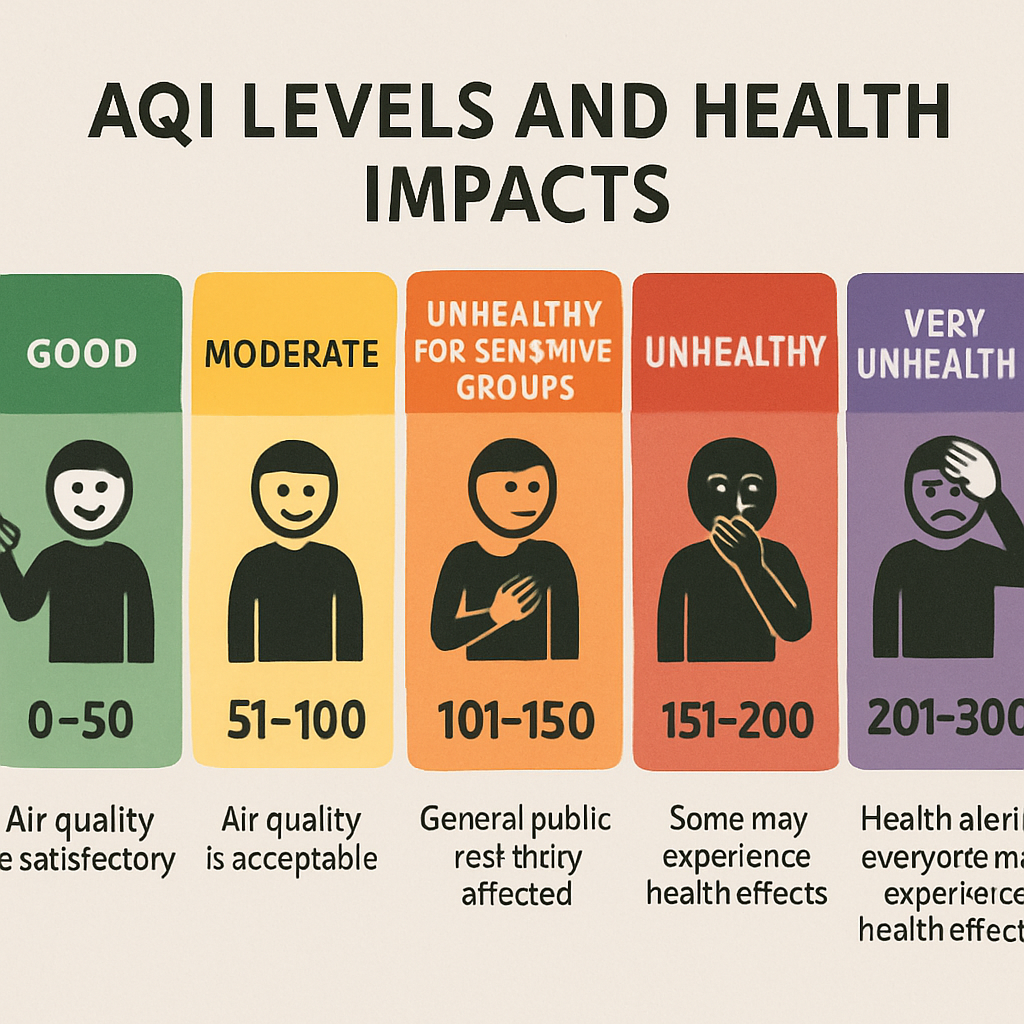
The Air Quality Index (AQI) is a vital tool to understand air pollution levels. It ranges from 0 to 500, with higher values indicating poorer air quality. Knowing the AQI helps you gauge the air’s potential health impact.
Several factors contribute to poor air quality, including industrial emissions, vehicle exhaust, and natural events like wildfires. In areas like San Jose and the Bay Area, these factors often worsen air quality, affecting residents’ health.
Poor air quality can lead to a variety of health issues. These range from short-term effects like eye irritation to long-term problems such as respiratory diseases and heart conditions. It’s crucial to monitor these impacts, especially for those with pre-existing health issues.
To maintain health during high AQI levels, consider these points:
- Follow air quality updates from reliable sources.
- Understand the AQI range and its health implications.
- Take necessary precautions when AQI levels rise.
How to Monitor Air Quality in Your Area
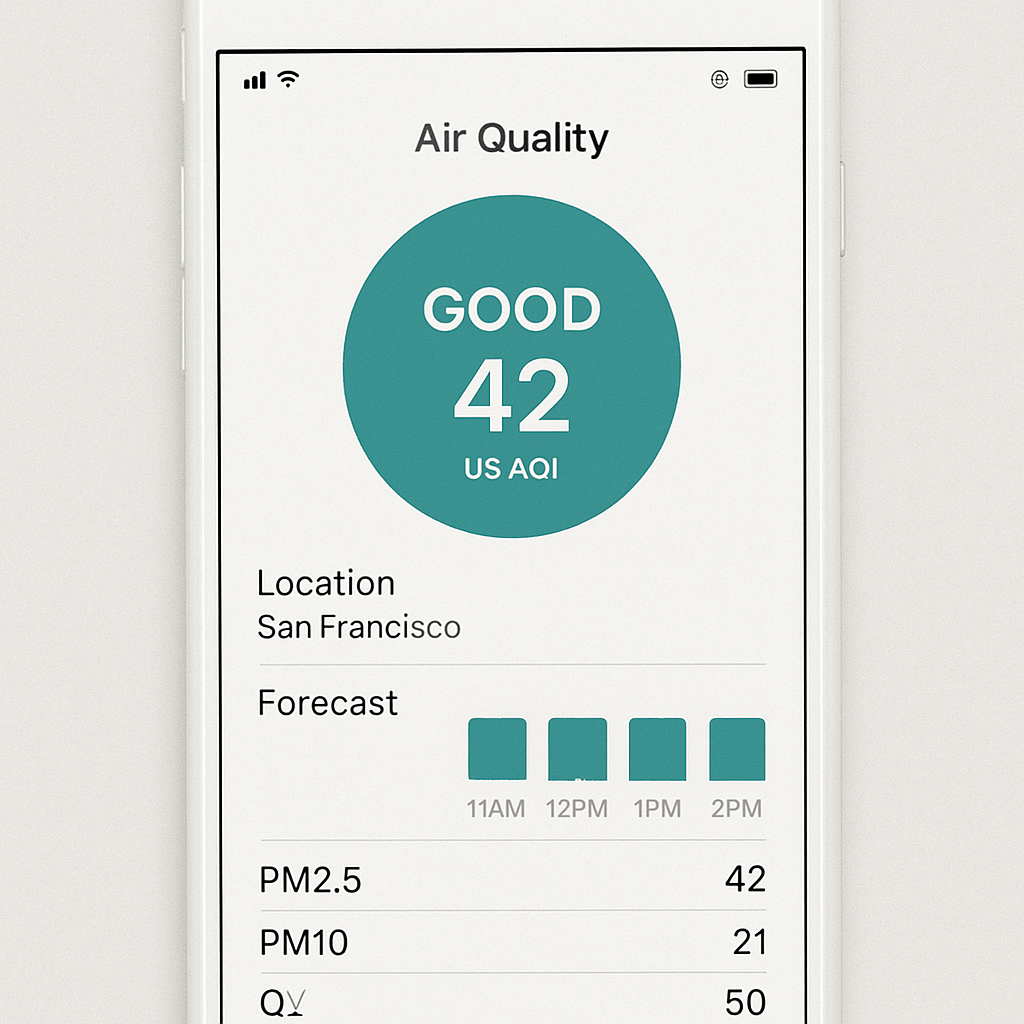
Staying informed about air quality is essential for health. Use reliable sources to check AQI levels in your area, such as government websites or dedicated apps that provide real-time data.
Take advantage of notifications to alert you when air quality deteriorates. Many services offer alerts to keep you updated on changes in the AQI.
Consider these tools for monitoring air quality effectively:
- Government websites: Accurate and updated air quality information.
- Mobile apps: Real-time data and customizable alerts.
- Local news updates: AQI reports as part of weather forecasts.
Immediate Steps to Take When AQI Is Poor
When air quality is poor, quick actions can protect your health. Start by keeping windows and doors closed to reduce indoor exposure to pollutants. Use air conditioning with clean filters to circulate and purify indoor air.
Minimize outdoor activities, especially strenuous ones, during high AQI days. Physical exertion makes you breathe more deeply, increasing exposure to harmful particles.
Consider these immediate protective measures:
- Stay indoors: Limit exposure to pollutants.
- Use air purifiers: Help filter indoor air.
- Wear masks: Use N95 masks if you must go outside.
- Hydrate: Drink plenty of water to flush out toxins.
Share your plans with family members to ensure everyone is informed. This way, collective efforts amplify the protective measures for household health. Remember, staying informed through reliable sources like local news or apps can also aid in making the best decisions for safety during poor air quality days.
Improving Indoor Air Quality: Practical Tips
Improving indoor air quality is essential during days of poor AQI. Regular maintenance of HVAC systems is crucial. Clean filters and ducts can effectively reduce indoor pollutants, ensuring fresh air circulates within your home.
Investing in a high-quality air purifier is another smart move. Choose one with a HEPA filter for maximum efficiency in trapping pollutants and allergens. This can make a noticeable difference in the air you breathe daily.
Consider incorporating indoor plants into your living space. Some plants can naturally filter the air by absorbing toxins. Plants like spider plants, peace lilies, and ferns are known for their air-purifying properties.
Key actions to improve indoor air:
- Seal leaks: Prevent outdoor air from seeping in.
- Avoid smoking indoors: It severely degrades air quality.
- Use exhaust fans: Improve ventilation in kitchens and bathrooms.
- Ventilate when possible: On better air quality days, open windows.
Implement these practical solutions to maintain a healthier indoor environment. They not only help during poor AQI days but also support long-term health. Remember, a well-maintained living space with clean air can significantly enhance your quality of life.
Protecting Vulnerable Groups and Family Members
Certain groups need extra protection during poor AQI days. Children, the elderly, and individuals with existing health conditions are more susceptible to the negative impacts of bad air quality. Taking proactive measures is essential to safeguard their well-being.
Limit exposure to outdoor air by keeping vulnerable family members indoors as much as possible. Ensure they stay in areas of the home with the best air quality. Use rooms with air purifiers or enhanced HVAC systems whenever feasible.
Implement these protective measures for vulnerable groups:
- Use N95 masks: When going outside is unavoidable.
- Stay informed: Monitor air quality updates frequently.
- Plan indoor activities: Engage in hobbies that don’t require outdoor exposure.
By implementing these strategies, you can significantly reduce the health risks associated with poor air quality for your loved ones. Remember, consistent vigilance and care are key to keeping everyone safe and healthy.
Long-Term Solutions for Better Air Quality at Home
Investing in long-term solutions enhances indoor air quality and provides lasting comfort. These improvements help minimize the health impacts of consistently poor outdoor air quality. They also add value to your home.
Consider upgrading to energy-efficient windows and doors, which provide a sealed barrier against outdoor pollutants. This reduces the infiltration of harmful particles into your living space. Investing in high-quality insulation can further bolster your home’s defense against poor air quality.
Consider the following strategies for long-term air quality improvement:
- Install HVAC systems: Ensure regular maintenance for optimal performance.
- Utilize air purifiers: Select models with HEPA filters for high efficiency.
- Adopt indoor plants: Use plants known for air-cleaning properties.
By adopting these sustainable practices, you can maintain a healthier indoor environment. An investment in these solutions ensures comfort, safety, and peace of mind for you and your family.
UPRIGHT HVAC and Construction: Your Partner in Clean Air
UPRIGHT HVAC and Construction is your trusted partner for improving home air quality. With over 15 years of experience, we offer tailored solutions to meet your needs. Our expertise ensures your indoor environment remains healthy and comfortable.
Our services include:
- HVAC Maintenance: Regular check-ups for clean and efficient systems.
- Air Purifier Installation: Ensuring optimal indoor air purity.
- Expert Consultation: Personalized advice for your air quality needs.
We are committed to enhancing your home’s air quality. Trust UPRIGHT HVAC and Construction to deliver reliable and cost-effective solutions.
Conclusion: Stay Safe, Stay Informed
Staying safe during periods of poor air quality requires active awareness and response. It is essential to regularly check local air quality indices and adjust your daily activities accordingly.
By taking practical steps, you can protect your health and that of your loved ones. Remember, UPRIGHT HVAC and Construction is here to support you with expert advice and services for maintaining a healthy indoor environment.
Bad AQI days mean higher pollution — check the index, stay inside when it’s poor, clean indoor air, and protect sensitive family members to reduce health risks.
FAQ: