- Unusual Noises
- Inefficient Cooling
- Increased Energy Bills
- Frequent Cycling
- Research and Reviews
- Verify Licenses and Insurance
- Experience and Expertise
- Transparent Communication
- Detailed Breakdown
- Second Opinions
- Warranty and Guarantees
- Negotiating Terms
- Regular Filter Changes
- Schedule Annual Tune-Ups
- Keep the Area Around Your Unit Clear
- Monitor System Performance
- Initial Inspection
- Performing the Repair
- Post-Repair Testing
- Client Communication
- Age of the System
- Frequent Repairs
- Energy Efficiency
- Evaluating Long-Term Costs
- How do I know my air conditioner needs repairs right now?
- What should I check before calling a technician?
- Why is my AC blowing warm or not-cool-enough air?
- What noises indicate an air conditioner needs repairs?
- Is water around the indoor unit a serious issue?
- What does ice on the refrigerant line or coil mean?
- Why does my breaker keep tripping when the AC runs?
- What quick steps can improve weak airflow?
- When should I turn the system off immediately?
- Could the thermostat be the culprit?
- What should be included in a professional repair estimate?
- How can I prevent frequent AC repairs?
- Is it better to repair or replace an older unit?
- What DIY fixes are safe while waiting for service?
- How do warranties and quality parts affect repairs?
- What maintenance checklist should I follow each season?
As a homeowner or property developer, understanding when and how to approach air conditioning repairs is crucial—especially when your Air Conditioner Needs Repairs. With the sweltering heat of Los Angeles, ensuring your air conditioning system is in top shape is not just a luxury—it’s a necessity. Whether you need AC repair in Los Angeles or are exploring HVAC contractors in Los Angeles, the goal is to get the job done right the first time. Here, we’ll explore essential tips to guide you through the process of air conditioner repairs.
Unusual Noises
When your air conditioner begins to make strange noises, it can be an early warning sign of underlying issues. Grinding sounds may indicate a problem with the motor, while squeaking could suggest issues with the belt. Banging or rattling noises might mean that components are loose or that there’s debris inside the unit. Each sound has its own potential cause, and addressing them early can prevent more severe damage.
Inefficient Cooling
If certain rooms in your home are warmer than others or if your AC unit struggles to reach the set temperature, it could be a sign of trouble. This inefficiency might be due to low refrigerant levels, a failing compressor, or clogged filters restricting airflow. Identifying the root of the problem can help restore your system’s performance and prevent energy waste.
Increased Energy Bills
An unexpected increase in your energy bills can be a strong indicator that your air conditioner is not operating efficiently. This can occur if the system is running longer to maintain temperature, often due to issues like dirty coils or malfunctioning components. Monitoring your energy use and comparing it to previous bills can help catch these inefficiencies early on.
Frequent Cycling
If your AC unit turns on and off more frequently than normal, it may be a sign of a malfunctioning thermostat or an oversized system that’s not suited to your home’s needs. Rapid cycling can also result from electrical issues or a clogged air filter. Addressing these problems not only prolongs the life of your system but also improves comfort and efficiency.
Choosing the Right HVAC Contractor
Finding the right HVAC contractor in Los Angeles can make all the difference in the longevity and efficiency of your air conditioning system. Here are some tips:
Research and Reviews
Start by researching HVAC companies in Los Angeles and reading reviews from previous clients. Look for contractors with consistently high ratings and positive feedback on their service, professionalism, and pricing. Online platforms like Yelp, Google Reviews, and Angie’s List can provide insights into the experiences of past customers. Consider the contractor’s responsiveness, punctuality, and how they handle any complaints.
Verify Licenses and Insurance
Ensure that the contractor is licensed and insured. In Los Angeles, HVAC professionals must hold a valid license to operate legally. This not only guarantees a level of expertise but also provides protection in case of accidents or damage during repairs. Insurance protects both you and the contractor from unforeseen incidents, ensuring that any damages or injuries are covered.
Experience and Expertise
Choose a contractor with extensive experience, particularly with the type of system you have. An experienced professional will be familiar with common issues and can offer reliable solutions quickly. Ask about their experience with your specific model and brand of air conditioner. Contractors who undergo regular training and stay updated on the latest industry technologies can offer the best service.
Transparent Communication
Clear and open communication is crucial when working with an HVAC contractor. A good contractor should be willing to explain the issues with your system, the necessary repairs, and the costs involved. They should be patient in answering your questions and provide honest advice on whether repair or replacement is the best option. This transparency builds trust and ensures you’re making informed decisions.
Getting an Accurate Estimate
Detailed Breakdown
Before committing to any repair work, obtain a detailed estimate. Ask for a breakdown of costs, including parts, labor, and any additional fees. This transparency helps you understand what you’re paying for and ensures there are no hidden costs. A detailed estimate also allows you to compare the value offered by different contractors.
Second Opinions
Don’t hesitate to get quotes from multiple contractors. This can give you a sense of the going rate and prevent overcharging. Comparing estimates also helps you gauge the professionalism and thoroughness of different contractors. Pay attention to the scope of work each contractor proposes and the warranties they offer.
Warranty and Guarantees
Inquire about warranties on both parts and labor. A reputable contractor should stand behind their work. Understanding the terms of the warranty can protect you from future expenses if issues arise. Ensure that you receive written documentation of any warranties, including what is covered and the duration.
Negotiating Terms
While obtaining estimates, consider negotiating the terms to better suit your budget and needs. Some contractors may be willing to offer discounts or payment plans. Discussing these options upfront can lead to cost savings and ensure you’re not overextending financially. Remember, the cheapest quote isn’t always the best; balance cost with quality and reliability.
Maintenance to Prevent Future Repairs
Preventative maintenance is key to avoiding costly repairs and extending the life of your air conditioning system. Here’s what you can do:
Regular Filter Changes
One of the simplest yet most effective maintenance tasks is regularly changing the air filter. A clean filter improves airflow and efficiency, reducing strain on the system. Depending on your AC usage and the type of filter, you may need to replace it every 1-3 months. Regular filter changes also enhance indoor air quality, benefiting those with allergies or respiratory issues.
Schedule Annual Tune-Ups
Engage a professional for an annual tune-up to inspect and clean your system. This can help identify potential issues before they become major problems. During a tune-up, a technician will check refrigerant levels, clean coils, and inspect electrical connections. These preventative measures ensure your system runs efficiently and can extend its lifespan.
Keep the Area Around Your Unit Clear
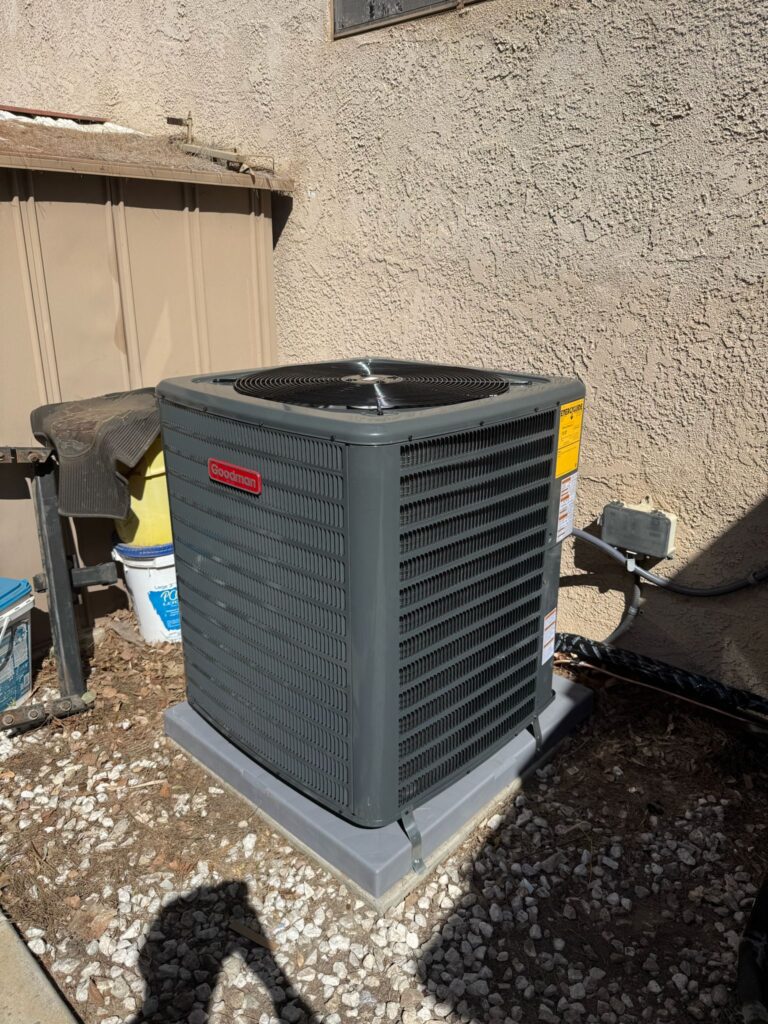
Ensure the area around your outdoor unit is free from debris, plants, and other obstructions. This ensures proper airflow and prevents the system from overheating. Trim back any vegetation that could interfere with the unit and regularly clear away leaves or dirt. Adequate airflow around the unit also contributes to energy efficiency and optimal performance.
Monitor System Performance
Regularly monitor your system’s performance to catch any changes that might indicate issues. Listen for unusual noises, check for uneven cooling, and note any increases in energy bills. Promptly addressing these signs can prevent more extensive repairs. Keeping a maintenance log can help track any changes and communicate issues to your HVAC technician.
Understanding the Repair Process
Initial Inspection
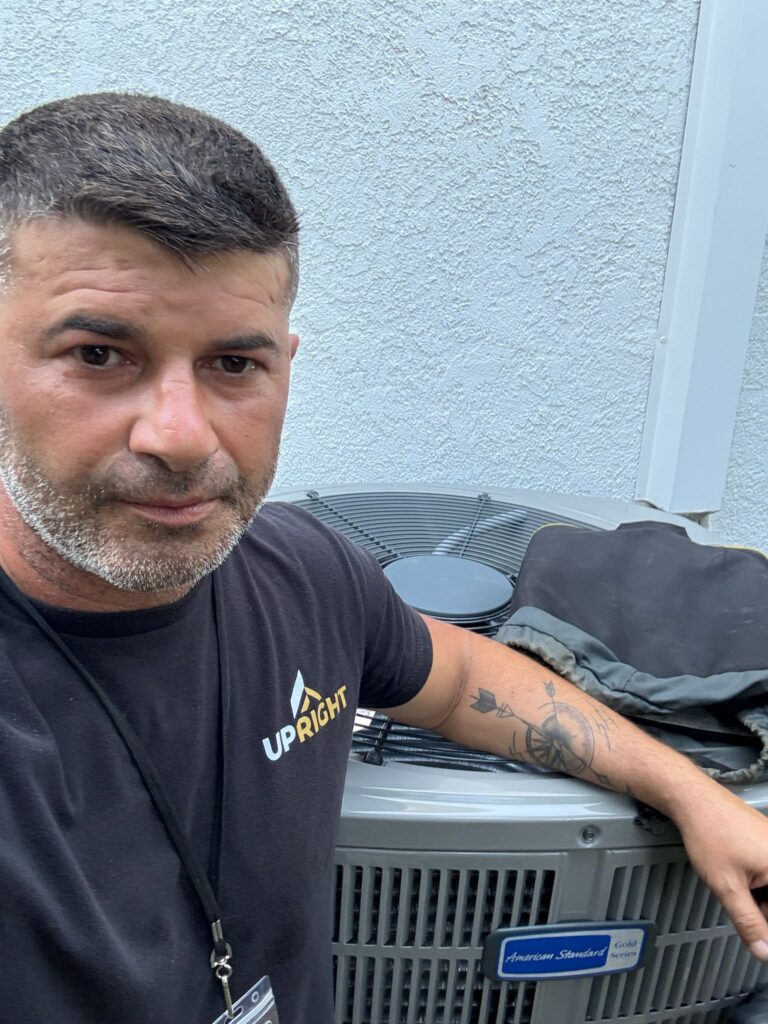
The technician will begin with a thorough inspection of your system to diagnose the issue accurately. They may check refrigerant levels, inspect electrical connections, and test the thermostat. A comprehensive inspection helps pinpoint the exact cause of the problem, allowing for more effective repairs. Technicians may also look for any signs of wear and tear that could lead to future issues.
Performing the Repair
Once the problem is identified, the technician will proceed with repairs. This could involve replacing parts, fixing leaks, or recalibrating controls. Depending on the complexity of the issue, repairs may take a few hours to a day. A skilled technician will work efficiently to minimize downtime and ensure the repairs are thorough and lasting.
Post-Repair Testing
After repairs are completed, the technician should test the system to ensure it’s operating efficiently and effectively. This step confirms that the issue is resolved and that there are no additional problems. Testing may involve running the system through its full cycle and checking for any lingering issues. This final step ensures your system is ready to provide reliable cooling.
Client Communication
Throughout the repair process, effective communication between the technician and client is vital. The technician should update you on progress, explain any additional issues discovered, and confirm the completion of repairs. Clear communication ensures you understand what was done and any further steps that may be needed. A good technician will also provide tips for maintaining your system.
When Replacement Might Be a Better Option
Sometimes, repairing an aging or severely damaged system isn’t cost-effective. Consider these factors when deciding between repair and replacement:
Age of the System
If your AC is over 10-15 years old, it may be more economical in the long run to replace it with a more energy-efficient model. Older systems are often less efficient and more prone to breakdowns. Newer models offer improved technology, better energy efficiency, and can qualify for rebates or incentives, reducing upfront costs.
Frequent Repairs
If you’re calling for repairs more than once a year, it might be time to consider a new system. Frequent repairs not only add up in costs but also indicate that the system may be nearing the end of its useful life. Investing in a new unit can save money in the long run by reducing repair costs and improving energy efficiency.
Energy Efficiency
Newer systems are more energy-efficient and can significantly reduce your energy bills. Upgrading to a high-efficiency model can save you up to 20-40% on cooling costs. Consider the SEER (Seasonal Energy Efficiency Ratio) rating when choosing a new system; the higher the SEER, the more efficient the unit. Energy-efficient units not only save money but also reduce your carbon footprint.
Evaluating Long-Term Costs
When deciding between repair and replacement, evaluate the long-term costs and benefits. Consider the potential savings on energy bills, repair costs, and the increased comfort of a reliable system. Factor in the potential resale value of your property with a new, efficient air conditioning system. Making an informed decision can lead to improved home value and reduced expenses.
Final Conclusion on Air Conditioner Needs Repairs
Navigating air conditioning repairs can be daunting, but with the right information and a reliable HVAC contractor, you can ensure your system is well-maintained and efficient. By recognizing signs of trouble early, choosing the right professionals, and committing to regular maintenance, you can keep your home comfortable and your AC running smoothly. Whether you’re in need of AC repair in Los Angeles CA or exploring options for air conditioning installation in Los Angeles, these tips will guide you towards making informed, cost-effective decisions. With proactive care and informed choices, you can enjoy a cool, comfortable home year-round.
FAQ — Air Conditioner Needs Repairs
How do I know my air conditioner needs repairs right now?
Warning signs include warm air from vents, sudden loss of airflow, unusual noises (banging, screeching, buzzing), foul or burning odors, frequent breaker trips, ice on refrigerant lines, and water leaks around the air handler.
What should I check before calling a technician?
Confirm the thermostat is on Cool with Fan set to Auto, replace a dirty air filter, open all supply/return vents, and verify the outdoor unit has clear space around it.
Why is my AC blowing warm or not-cool-enough air?
Common causes are incorrect thermostat settings, clogged filters, low refrigerant due to leaks, a frozen evaporator coil, or failed outdoor components like a capacitor or contactor.
What noises indicate an air conditioner needs repairs?
Banging or clanking can mean loose parts; screeching often points to motor or bearing issues; persistent buzzing or clicking suggests electrical or relay problems that require service.
Is water around the indoor unit a serious issue?
Yes. Water can result from a clogged condensate drain, cracked pan, failed pump, or thawing ice. Turn the system off and address the cause to prevent ceiling and electrical damage.
What does ice on the refrigerant line or coil mean?
Ice usually indicates airflow problems or low refrigerant charge. Power off cooling, let ice melt, install a fresh filter, and schedule professional diagnostics if icing returns.
Why does my breaker keep tripping when the AC runs?
Repeated trips signal electrical faults, a seized motor, or a shorted component. Do not keep resetting—this is a safety risk. Call for professional repair.
What quick steps can improve weak airflow?
Replace the filter, open blocked vents, clear return grilles, and verify the blower door is fully closed. Persistent weak airflow may indicate duct leaks or a failing blower motor.
When should I turn the system off immediately?
Shut it down if you smell burning or chemicals, see smoke, hear loud banging, observe heavy icing, or the breaker trips multiple times.
Could the thermostat be the culprit?
Yes. Dead batteries, miswiring, incorrect mode, bad placement (sun/vents), or a faulty temperature sensor can mimic AC failures. Replace batteries and verify settings first.
What should be included in a professional repair estimate?
An itemized diagnosis, specific part numbers, labor scope and rate, refrigerant or permit fees if applicable, warranty terms, and a clear total price.
How can I prevent frequent AC repairs?
Change filters on schedule, keep 24″ clearance around the condenser, rinse coils as needed, flush the condensate line seasonally, and schedule annual professional tune-ups.
Is it better to repair or replace an older unit?
Consider age (10–15+ years), frequency of breakdowns, refrigerant type, energy bills, comfort issues, and whether repair costs approach a significant share of replacement price.
What DIY fixes are safe while waiting for service?
Replace the filter, set thermostat to Cool with Fan Auto, clear debris from the outdoor unit, and use a wet/dry vacuum to clear the exterior drain outlet if the pan is backing up.
How do warranties and quality parts affect repairs?
Using reputable parts with written parts-and-labor warranties improves reliability and protects you from paying twice for the same failure.
What maintenance checklist should I follow each season?
Use this list:
- Install a fresh filter; check monthly during peak season
- Clean indoor/outdoor coils and keep vegetation 24″ away
- Flush the condensate drain and test float safety switches
- Verify correct thermostat operation and schedules
- Book an annual tune-up to check charge, airflow, and electrical components