- Common AC Problems in Los Angeles
- Choose the Right HVAC Contractor
- Regular Maintenance Plans
- Emergency Repair Services
- Energy-Efficient Upgrades
- Custom Solutions for Home Improvement
- What does “cost-effective AC repair” really mean?
- How can I lower AC repair costs without sacrificing quality?
- Which problems are usually inexpensive to repair?
- What should an itemized estimate include?
- How do I avoid paying for unnecessary upsells?
- Is replacing a part better than repairing it?
- When is it smarter to replace the system instead of repairing?
- Which maintenance tasks prevent costly repairs?
- Can better diagnostics really save money?
- What financing or rebates can make repairs more affordable?
- How do I choose parts that balance price and longevity?
- What quick checks can I do before calling a pro?
- Why do repeated breaker trips need immediate attention?
- What are signs a contractor offers cost-effective solutions?
- How can I keep summer bills down after a repair?
- What should my seasonal savings checklist include?
In the bustling city of Los Angeles, maintaining a comfortable indoor environment is more than a luxury—it’s a necessity. The combination of high temperatures and increased urban density makes it essential for residents to have reliable air conditioning systems. Whether you’re a homeowner, renter, or property developer, finding Cost-Effective AC Repair Solutions is a common concern. As seasoned professionals in the HVAC industry, we understand the importance of delivering efficient, reliable, and budget-friendly services. Our goal is to help you maintain optimal indoor comfort without breaking the bank.
Before diving into repair solutions, it’s crucial to understand your HVAC system’s role. Heating, ventilation, and air conditioning systems are integral to maintaining indoor comfort. They regulate temperature, improve air quality, and ensure a consistent supply of fresh air. This regulation is vital in cities like Los Angeles where temperatures can soar, making indoor cooling systems indispensable. However, like any complex system, they require regular maintenance and occasional repairs. An understanding of how these systems work will equip you to recognize when something is amiss and needs attention.
Common AC Problems in Los Angeles
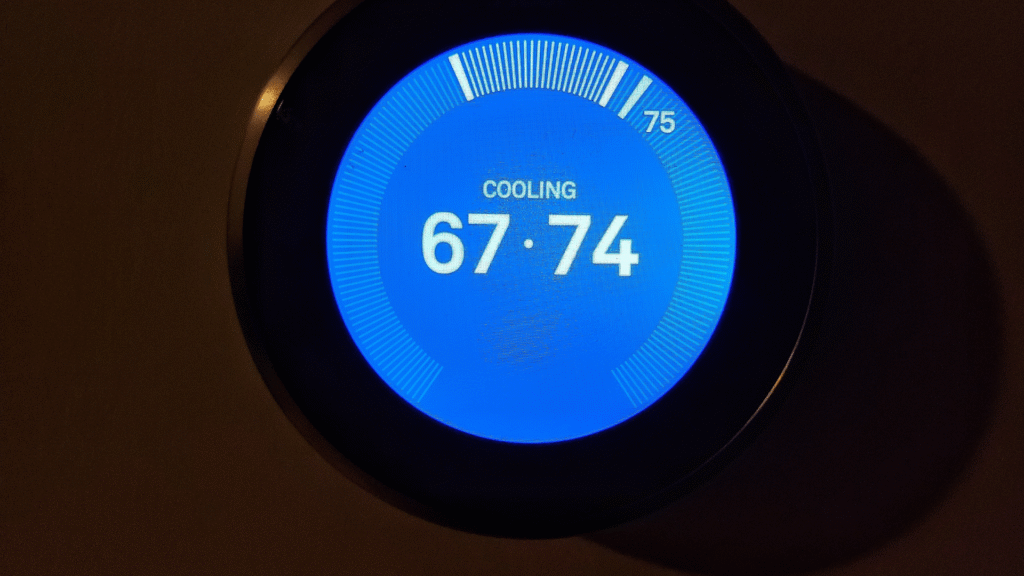
The unique climate of Los Angeles presents specific challenges for AC systems. High temperatures and prolonged usage can lead to wear and tear. Common issues include:
- Refrigerant Leaks: A frequent problem that reduces cooling efficiency and increases energy consumption. Leaks can also contribute to environmental damage if not addressed promptly.
- Electrical Failures: Faulty wiring or worn-out components can lead to system breakdowns. These failures can cause significant discomfort during peak summer months when AC usage is at its highest.
- Sensor Problems: Malfunctioning sensors can cause erratic system behavior, affecting temperature regulation. This can lead to inconsistent cooling, making some areas uncomfortably warm while others are too cold.
- Drainage Issues: Clogged drains can lead to water damage and reduced system efficiency. Over time, this can also result in mold growth, which poses health risks.
Understanding these problems helps in diagnosing issues early, thereby reducing repair costs. Proactively addressing these common issues can save significant amounts of money and prevent the inconvenience of sudden system failures.
Cost-Effective Repair Solutions
Choose the Right HVAC Contractor
Selecting the right HVAC contractor in Los Angeles is paramount. A reliable contractor will provide transparent pricing, use high-quality parts, and offer warranties on their work. This transparency builds trust and ensures that you are getting value for your money. Look for contractors with:
- Positive Reviews: Customer testimonials can provide insights into the reliability and quality of service. Online reviews on platforms like Yelp or Google can offer a wealth of information about customer experiences.
- Certifications and Licenses: Ensure the contractor is certified and licensed to operate in Los Angeles. This guarantees that they meet the industry standards and are knowledgeable about the latest technologies and regulations.
- Experience and Expertise: A contractor with a proven track record in AC repair and maintenance can save you time and money. Experienced contractors can diagnose problems faster and offer more effective solutions.
Regular Maintenance Plans
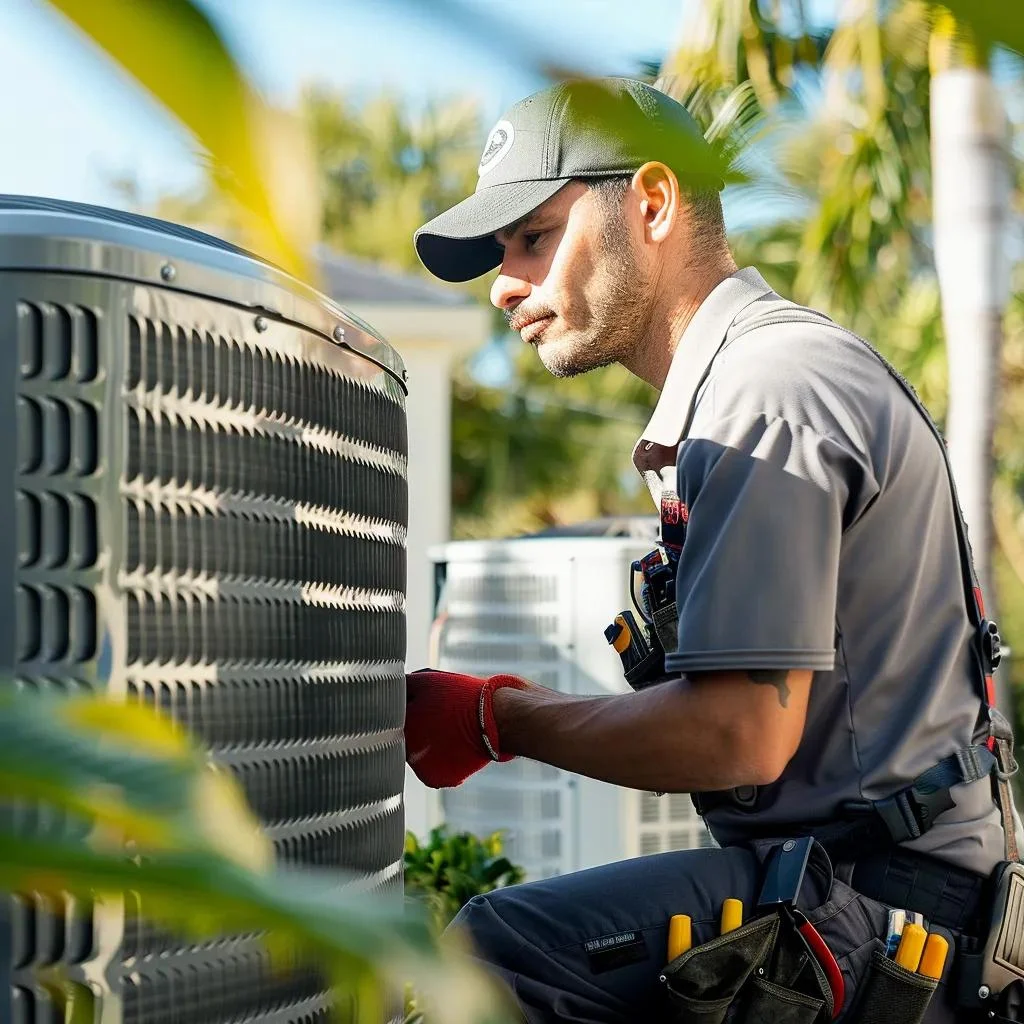
Preventive maintenance is a cost-effective way to avoid expensive repairs. Regular check-ups can identify potential issues before they become significant problems. Maintenance services typically include:
- Filter Replacements: Regular replacement of filters ensures efficient airflow and reduces strain on the system. Clean filters also improve indoor air quality by trapping pollutants and allergens.
- System Cleaning: Removing dust and debris prevents blockages and maintains system efficiency. Clean systems operate more quietly and use less energy, which is beneficial for both comfort and cost.
- Performance Checks: Routine performance checks ensure all components function optimally. These checks can also help in adjusting settings to improve efficiency and comfort.
Many HVAC companies in Los Angeles offer maintenance plans that provide these services at a discounted rate, saving you money in the long run. Investing in a maintenance plan is a proactive approach to managing your AC system’s health and extending its lifespan.
Emergency Repair Services
by Mark Boss (https://unsplash.com/@vork)
Despite best efforts, emergencies can occur. Having access to emergency AC repair services ensures you’re never left in discomfort for long. These services are invaluable during heatwaves or unexpected system failures. Look for HVAC contractors that offer 24/7 emergency services, quick response times, and reliable repairs. Knowing that help is just a phone call away offers peace of mind and ensures that any disruptions to your comfort are minimal.
Energy-Efficient Upgrades
Upgrading to energy-efficient systems can significantly reduce your energy bills. Modern HVAC systems are designed to use less energy while providing better performance. Consider:
- Smart Thermostats: These allow for precise temperature control and can be programmed to optimize energy use. They can also be controlled remotely, offering convenience and further savings.
- High-Efficiency Units: Investing in units with high SEER (Seasonal Energy Efficiency Ratio) ratings can lead to long-term savings. These units are designed to operate more efficiently, providing the same level of cooling with reduced energy consumption.
The Importance of Expert Consultation
Consulting with HVAC experts can provide valuable insights into your system’s needs. They can offer tailored advice, ensuring that repairs and upgrades align with your specific requirements and budget. Expert consultation can also help in planning for future needs, such as system upgrades or expansions, based on expected changes in your household or property.
Custom Solutions for Home Improvement
Homeowners seeking improvements can benefit from integrated HVAC solutions that enhance overall home value. This includes:
- Zoning Systems: These systems allow for temperature control in individual rooms, increasing comfort and efficiency. By focusing cooling efforts only where needed, zoning systems can significantly reduce energy costs.
- Ductless Mini-Splits: Ideal for homes without ductwork, they offer flexible and efficient cooling options. These systems are easy to install and can be a perfect solution for older homes or additions where traditional ductwork is impractical.
For property developers, expert consultation ensures that HVAC installations meet the latest standards and add value to properties. Well-designed HVAC systems can be a significant selling point, offering prospective buyers improved comfort and reduced utility costs.
Conclusion
In conclusion, cost-effective AC repair solutions in Los Angeles are achievable with the right approach. By understanding your system’s needs, choosing reliable contractors, and investing in regular maintenance, you can ensure comfort and efficiency without breaking the bank. Whether you’re a homeowner, renter, or property developer, these strategies will help you get things done right the first time, on a budget. Investing in your HVAC system not only improves your immediate comfort but also adds value to your property and reduces long-term costs.
For more information or to schedule a consultation, contact your local Los Angeles HVAC experts today. Ensure your home or property remains a haven of comfort all year round. With the right support and planning, you can navigate the challenges of maintaining an efficient and effective AC system in Los Angeles.
FAQ — Cost-Effective AC Repair Solutions
What does “cost-effective AC repair” really mean?
It means fixing the root cause the first time with quality parts and correct diagnostics, so you avoid repeat callouts, downtime, and high utility bills from an inefficient system.
How can I lower AC repair costs without sacrificing quality?
Request an itemized estimate, approve only necessary work, choose reputable parts with warranties, schedule repairs in non-peak hours when possible, and combine small fixes in one visit.
Which problems are usually inexpensive to repair?
Common low-to-mid cost fixes include replacing a clogged filter, clearing a condensate drain, installing a new capacitor or contactor, or correcting thermostat settings/wiring.
What should an itemized estimate include?
Diagnosis summary, specific part numbers, labor hours/rates, any refrigerant or permit fees, warranty terms, and an “out-the-door” total so you can compare apples to apples.
How do I avoid paying for unnecessary upsells?
Ask for data-backed reasons (pressure/temperature readings, photos), request good/better/best options, and prioritize repairs tied directly to safety, reliability, and energy performance.
Is replacing a part better than repairing it?
For wear items like capacitors, contactors, and clogged TXVs, replacement is often more reliable and affordable long-term than repeated adjustments or patch repairs.
When is it smarter to replace the system instead of repairing?
Consider replacement if the unit is 10–15+ years old, has a failed compressor or heat exchanger, frequent breakdowns, obsolete parts/refrigerant, or repair costs approach a large share of replacement.
Which maintenance tasks prevent costly repairs?
Key tasks include regular filter changes, coil cleaning, flushing the condensate drain, verifying refrigerant charge, checking electrical connections, and ensuring 24″ clearance around the outdoor unit.
Can better diagnostics really save money?
Yes. Accurate diagnostics prevent part-swapping. Verifying airflow, superheat/subcooling, static pressure, and electrical readings targets the true fault and avoids repeat visits.
What financing or rebates can make repairs more affordable?
Ask about utility rebates for efficiency-improving repairs, manufacturer promos, and low-APR or deferred-interest plans for larger jobs like coil or compressor replacements.
How do I choose parts that balance price and longevity?
Select reputable brands with solid warranties, corrosion-resistant coils where applicable, and OEM-equivalent components. Confirm warranty coverage for both parts and labor.
What quick checks can I do before calling a pro?
Try these basics:
- Set thermostat to Cool, Fan Auto, and raise the setpoint 3–5°F to test response
- Replace a dirty air filter and open all supply/return vents
- Clear debris within 24″ of the outdoor unit
- Vacuum the exterior end of the condensate drain if water backs up
Why do repeated breaker trips need immediate attention?
They often signal electrical faults or a seized motor. Repeated resets risk fire hazards and compressor damage—shut the system off and schedule service.
What are signs a contractor offers cost-effective solutions?
Transparent pricing, clear diagnostics, photos/measurements, multiple options with pros/cons, no-pressure recommendations, and written warranties on parts and labor.
How can I keep summer bills down after a repair?
Program efficient schedules, seal and insulate ducts, shade the condenser, maintain proper charge and airflow, and keep filters fresh to reduce runtime and costs.
What should my seasonal savings checklist include?
Use this list:
- Fresh filter at season start; check monthly
- Flush condensate drain; verify float safety switch
- Clean indoor/outdoor coils and confirm 24″ clearance
- Check thermostat calibration and schedules
- Schedule an annual tune-up to test charge, airflow, and electrical components