
TL;DR Summary for Those in a Hurry:
- Heat Pumps vs AC Units comparison helps you decide which cooling (and heating) solution fits your comfort, climate, and budget needs.
- Heat pumps provide both cooling and heating by transferring heat, making them more versatile and often more energy-efficient year-round.
- Traditional AC units cool only and usually cost less up front, but require a separate heating system in cold weather.
- Consider climate, energy costs, and usage patterns — heat pumps excel in mild to moderate climates, while AC units may be better paired with existing heaters.
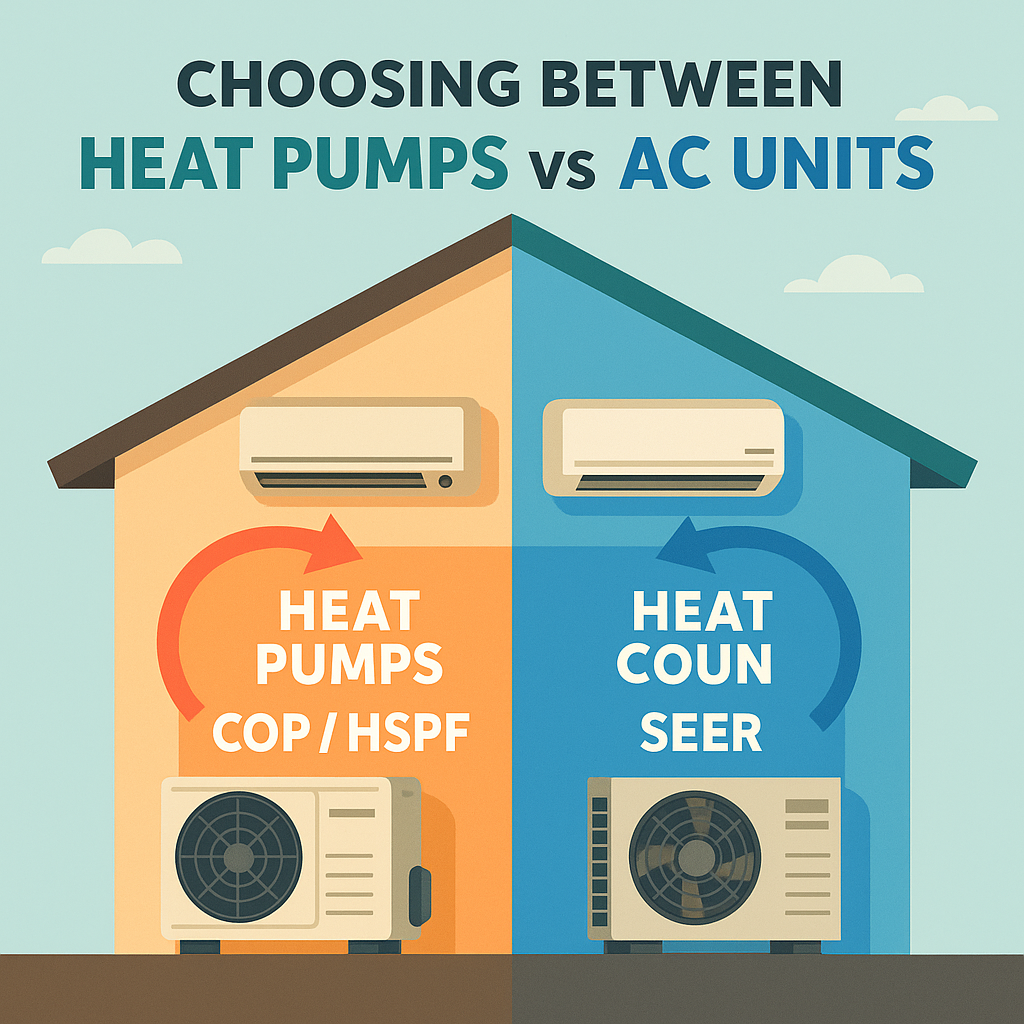
When it comes to keeping your home comfortable, understanding the options available for heating and cooling is crucial. The decision between installing a system—Heat Pumps vs AC Units—can significantly impact your home’s energy efficiency, cost, and overall comfort. As a seasoned expert in HVAC services, construction, and home remodeling, I aim to simplify this choice for you with insights that are both accessible and informative.
At UPRIGHT HVAC and Construction, we prioritize your comfort and satisfaction, ensuring that we offer solutions tailored to your specific needs. Let’s explore the differences and benefits of heat pumps and AC units so you can make an informed decision.
What is a Heat Pump?
A heat pump is an energy-efficient system that provides both heating and cooling. Unlike traditional heating systems, a heat pump transfers heat rather than generating it. During the summer, it removes heat from your home, acting much like an air conditioner. In the winter, it reverses the process, drawing heat from the outside air (even in cold temperatures) into your home.
Heat pumps come in various types, such as air-source, ground-source (geothermal), and water-source, each with unique benefits. Air-source heat pumps are the most common, extracting heat from the air, while geothermal pumps use the ground’s constant temperature. Water-source pumps, although less common, are effective in areas with ample water resources.
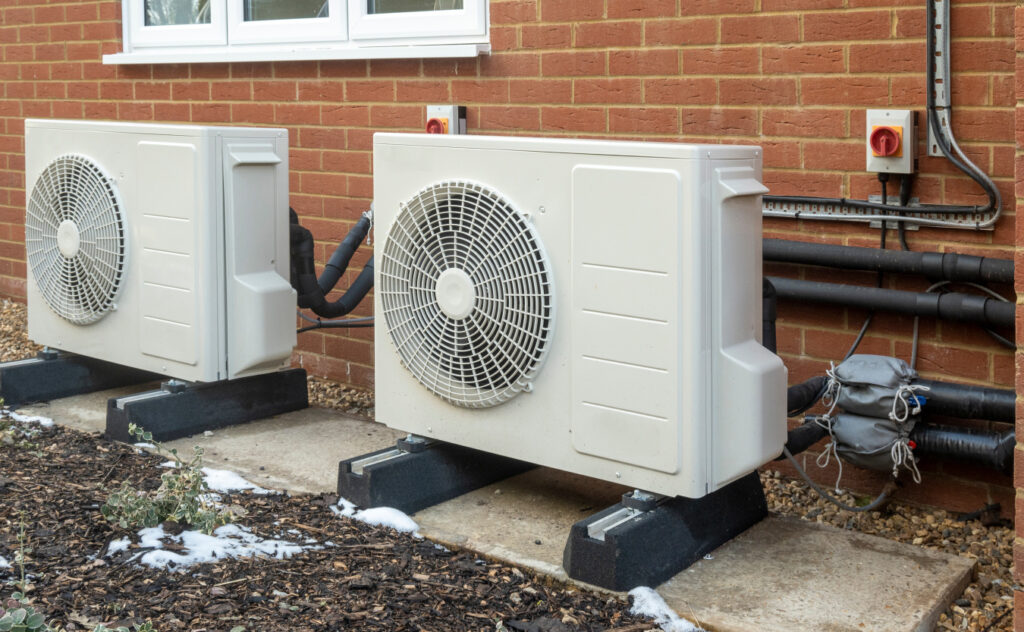
The efficiency of a heat pump is measured by its Coefficient of Performance (COP) and Heating Seasonal Performance Factor (HSPF). A higher COP indicates a more efficient system, and understanding these ratings can help in choosing the right heat pump for your home.
What is an AC Unit?
An air conditioning unit is designed primarily for cooling. It removes warm air from inside your home and expels it outside, leaving your indoor space cool and comfortable. AC units are typically paired with a separate heating system, such as a furnace, to provide year-round comfort.
AC units are available in various configurations, including central air conditioning, window units, and ductless mini-splits. Central systems are ideal for whole-home cooling, while window units are suitable for single rooms. Mini-splits offer flexibility, allowing for targeted cooling without extensive ductwork.
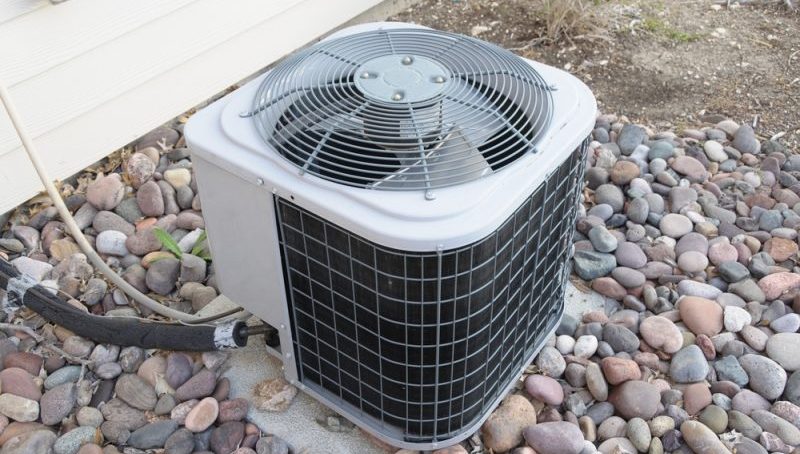
The efficiency of an AC unit is measured by its Seasonal Energy Efficiency Ratio (SEER). A higher SEER rating indicates a more efficient unit, which can lead to lower energy bills. Understanding SEER can help you select an AC that balances performance with cost.
How They Work Together
In some homes, heat pumps and AC units work in tandem to provide optimal comfort. This combination is especially useful in areas with extreme weather conditions. The heat pump can handle moderate temperature changes, while the AC or a furnace steps in during peak seasons.
The integration of smart thermostats enhances the synergy between these systems. Smart thermostats can automatically switch between heating and cooling modes, optimizing energy use based on your lifestyle and preferences. This technology ensures consistent comfort and efficiency throughout the year.
For homes with existing ductwork, a combination of heat pumps and AC units can be seamlessly integrated. However, for homes without ducts, ductless mini-split systems offer an alternative, providing both heating and cooling without the need for extensive renovations.
Key Differences: Heat Pump vs. AC Unit
Efficiency and Energy Use
- Heat Pump: Known for its energy efficiency, a heat pump can reduce electricity use by approximately 50% compared to electric resistance heating. It’s particularly effective in moderate climates where temperatures rarely dip below freezing.
The energy efficiency of heat pumps is attributed to their ability to transfer heat rather than generate it. This process consumes less electricity, leading to significant savings on utility bills. In regions with mild winters, heat pumps can be a cost-effective alternative to traditional heating systems.
Additionally, heat pumps often qualify for government incentives and rebates aimed at promoting energy-efficient home upgrades. These financial benefits further enhance the appeal of choosing a heat pump over conventional heating options.
- AC Unit: While efficient in cooling, AC units don’t provide heating, necessitating a separate heating system. This can lead to higher energy consumption, particularly in climates with distinct heating and cooling seasons.
AC units, when paired with energy-efficient furnaces or heat pumps, can form a comprehensive HVAC system. However, the need for a separate heating solution can complicate installation and maintenance. The choice of an efficient heating companion is crucial in maximizing overall energy savings.
In areas with extreme temperature fluctuations, the reliance on both AC and heating systems can result in higher utility bills. Homeowners should weigh the long-term costs of operating separate units against the benefits of integrated systems like heat pumps.
Installation and Maintenance
- Heat Pump: Installation costs can be higher due to its dual-functionality. However, its energy savings often offset the initial expense over time. Regular maintenance includes checking refrigerant levels, cleaning filters, and ensuring proper airflow.
The installation of a heat pump involves considerations such as space, existing ductwork, and electrical capacity. A professional evaluation can determine the feasibility and potential modifications needed for optimal performance. Proper installation is crucial in maximizing the efficiency and longevity of the system.
Routine maintenance of heat pumps is essential to prevent issues such as refrigerant leaks and airflow obstructions. Regular inspections by certified technicians can identify potential problems early, ensuring uninterrupted operation and extending the lifespan of the unit.
- AC Unit: Generally more affordable upfront, especially if a separate heating system is already in place. Maintenance focuses on the cooling components, requiring regular checks of refrigerant and coils.
Installing an AC unit is typically straightforward, especially when replacing an existing system. The lower initial cost makes it an attractive option for budget-conscious homeowners. However, the long-term operating costs should be considered in the decision-making process.
Maintenance of AC units involves tasks such as cleaning or replacing filters, inspecting coils, and checking refrigerant levels. These routine activities help maintain efficiency and prevent common issues like frozen coils and reduced cooling capacity.
Climate Suitability
- Heat Pump: Ideal for regions with mild winters and hot summers. In extremely cold climates, its efficiency can decrease, making supplemental heating necessary.
Heat pumps excel in moderate climates, where temperature variations are not extreme. Their ability to provide both heating and cooling makes them versatile solutions for year-round comfort. However, in colder regions, the use of supplemental heating, such as electric resistance heaters, may be needed to maintain indoor comfort.
Technological advancements have led to the development of cold-climate heat pumps, designed to operate efficiently at lower temperatures. These models offer an alternative for homeowners in colder areas, expanding the applicability of heat pumps.
- AC Unit: Suitable for areas with hot summers and separate heating solutions for winter months.
AC units are well-suited for regions with long, hot summers. Their effectiveness in cooling makes them essential in areas where maintaining a comfortable indoor environment is a priority. However, the need for a separate heating solution remains a consideration in regions with colder winters.
The choice of an accompanying heating system, such as a furnace or heat pump, can significantly impact the overall efficiency and cost-effectiveness of an AC unit. Homeowners should evaluate the climate and their specific needs when deciding on the best combination of systems.
Pros and Cons: Making the Right Choice
Heat Pump Pros
- Provides both heating and cooling.
- Energy-efficient, lowering utility bills.
- Environmentally friendly, reducing carbon footprint.
The dual-functionality of heat pumps simplifies HVAC systems, eliminating the need for separate heating and cooling units. This integration not only saves space but also reduces installation and maintenance complexity. The energy efficiency of heat pumps translates into lower utility bills, offering significant savings over time.
Heat pumps contribute to environmental sustainability by reducing greenhouse gas emissions. Their reliance on electricity rather than fossil fuels aligns with global efforts to minimize carbon footprints. By choosing a heat pump, homeowners can actively participate in environmental conservation.
Heat Pump Cons
- Higher upfront installation costs.
- Reduced efficiency in extreme cold.
The initial investment in a heat pump can be substantial, especially for high-efficiency models. However, the long-term energy savings often justify the upfront expense. Homeowners should consider financing options or incentives that can ease the financial burden of installation.
In extremely cold climates, the efficiency of standard heat pumps may decrease. This limitation necessitates the use of supplemental heating sources, which can increase operational costs. Cold-climate heat pumps offer a solution, though at a higher initial cost.
AC Unit Pros
- Lower initial cost if heating system is separate.
- Highly effective in cooling.
The affordability of AC units makes them accessible to a wide range of homeowners. When paired with existing heating systems, they provide a cost-effective solution for achieving comfortable indoor temperatures during hot weather. Their effectiveness in cooling is well-established, making them a reliable choice.
AC units are available in various sizes and configurations, offering flexibility in installation and operation. This versatility allows homeowners to select units that best fit their space and cooling needs, ensuring efficient performance.
AC Unit Cons
- Requires separate heating system.
- Potentially higher energy use in climates with both heating and cooling needs.
The necessity for a separate heating system increases the complexity of HVAC solutions in homes with AC units. This requirement can lead to higher installation and operational costs, particularly in regions with distinct heating and cooling seasons.
In climates with both significant heating and cooling demands, the combined energy use of separate systems can lead to elevated utility bills. Homeowners should assess the long-term costs and benefits of maintaining separate units versus integrated solutions like heat pumps.
Choosing the Right System for Your Home
Consider Your Climate
For homeowners in areas with moderate climates, a heat pump offers an efficient solution. In contrast, if you experience harsh winters, pairing an AC unit with a reliable heating system might be more practical.
Understanding the specific climate conditions of your region is crucial in selecting the right HVAC system. Heat pumps are well-suited for areas with balanced temperature variations, providing consistent comfort throughout the year. However, in regions with severe winter conditions, a robust heating system is essential.
Consulting with local HVAC professionals can provide valuable insights into climate trends and recommendations for suitable systems. Their expertise can guide homeowners in making informed decisions that align with their comfort and energy efficiency goals.
Evaluate Your Budget
While heat pumps can be more costly to install, the long-term energy savings are notable. If upfront costs are a concern, an AC unit paired with an existing heating system can be more budget-friendly.
Budget considerations play a significant role in the decision-making process for HVAC systems. While heat pumps offer long-term savings, the initial investment can be a barrier for some homeowners. Exploring financing options or rebates can alleviate the financial strain of installation.
For those with budget constraints, AC units provide a viable alternative, particularly when existing heating systems are in place. This approach allows homeowners to achieve immediate comfort while planning for future upgrades or integrated solutions.
Factor in Your Home’s Needs
Consider your home’s size, insulation, and existing HVAC infrastructure. An experienced professional from UPRIGHT HVAC and Construction can assess these factors to recommend the most suitable system.
The unique characteristics of your home, such as size, layout, and insulation, influence the effectiveness of HVAC systems. Larger homes may benefit from centralized solutions, while smaller spaces can utilize ductless systems for targeted comfort. An assessment by a professional can identify the most efficient and practical options.
Existing HVAC infrastructure, including ductwork and electrical capacity, can impact the choice and installation of new systems. Professionals can evaluate these elements to determine compatibility and potential modifications needed for optimal performance.
UPRIGHT HVAC and Construction: Your Trusted Partner
At UPRIGHT HVAC and Construction, we understand the importance of making the right choice for your home. Our team is dedicated to providing transparent, fair pricing and high-quality parts that ensure lasting results.
Why Choose Us?
- Expertise: With over 15 years of experience, our team offers unparalleled knowledge in HVAC services and home remodeling.
- Customer-Centric Approach: We prioritize your comfort and satisfaction, ensuring that your needs are met with precision and care.
- Reliable Solutions: Our commitment to using high-quality materials and expert craftsmanship guarantees that your investment stands the test of time.
Our team’s expertise extends beyond technical skills to include a deep understanding of industry trends and innovations. This knowledge allows us to offer solutions that are not only effective but also future-proof, accommodating evolving needs and technological advancements.
We believe in a customer-centric approach, where your preferences and requirements drive our recommendations and services. Our transparent communication ensures that you are informed and involved in every step of the process, building trust and confidence in our partnership.
Our commitment to quality is reflected in our choice of materials and dedication to craftsmanship. We source parts from reputable manufacturers, ensuring durability and performance. Our meticulous attention to detail in installation and maintenance sets us apart as a reliable partner in your home’s comfort journey.
Conclusion
Choosing between a heat pump and an AC unit involves considering various factors, including climate, budget, and home needs. At UPRIGHT HVAC and Construction, we are here to guide you through this decision-making process, ensuring that you achieve lasting comfort and efficiency in your home.
Contact us today to learn more about our services and how we can help you make an informed choice for your heating and cooling needs. With our expertise and dedication, you can rest assured that your home is in capable hands. Let us help you create a comfortable and energy-efficient living space that you can enjoy year-round.
Our holistic approach to HVAC solutions ensures that your decision is aligned with your long-term goals. Whether you choose a heat pump for its energy efficiency or an AC unit for its affordability, our team is equipped to support you every step of the way.
Reach out to us for a consultation, and experience the difference of working with a partner who prioritizes your comfort and satisfaction. Together, we can transform your home into an oasis of comfort and efficiency, tailored to your unique needs and preferences.
Weigh Heat Pumps vs AC Units based on efficiency, dual-function capability, climate suitability, and long-term cost to choose the best HVAC setup for your home.
FAQ: