
- TL;DR Summary for Those in a Hurry:
- How to Use Your Windows as Free Solar Heaters
- The 'Incense Stick Test': Finding and Fixing Your Home's Secret Heat Leaks
- The Simple Ceiling Fan Switch That Pushes Warmth Down to You
- Solving the Two-Story Problem: Why Your Upstairs is a Sauna and Downstairs is a Tundra
- Make 68°F Feel Like 72°F: The Surprising Power of Humidity
- Unlocking "Bonus Heat" You Already Make Every Day
- Your Winter Weekend Action Plan for a Cozier Home
TL;DR Summary for Those in a Hurry:
- Heat Balance Tips help you evenly distribute warmth throughout your home in winter so no room feels too cold or too hot.
- Simple actions like adjusting vents, using ceiling fans, and sealing drafts improve comfort and reduce heating costs.
- Checking insulation levels and balancing airflow between floors prevents heat from rising too quickly and leaving lower rooms chilly.
- Strategically using curtains, area rugs, and thermostat settings enhances overall warmth without overworking your system.
- Following these tips leads to more consistent indoor temperatures and a cozier, more efficient home.
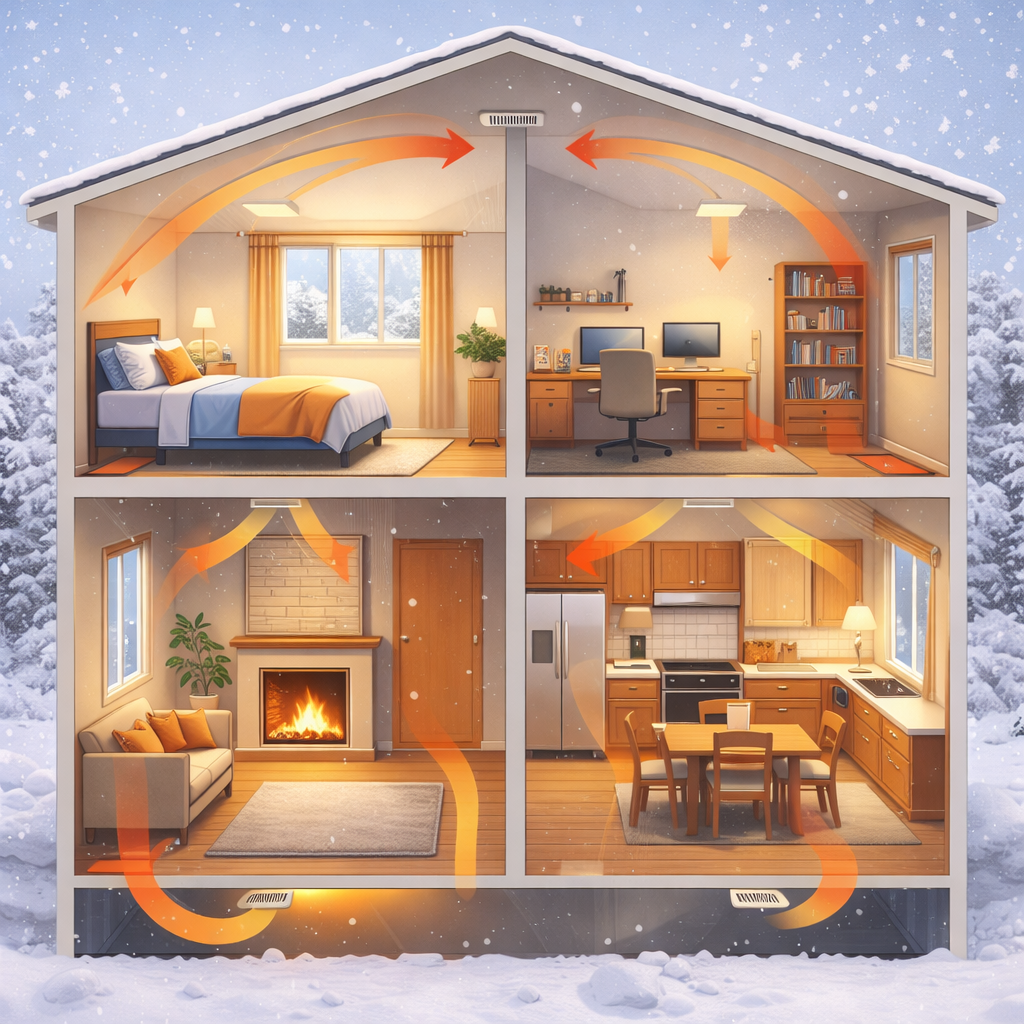
Ever get the feeling you’re paying a fortune to heat the great outdoors? If your winter heating costs are climbing but you’re still reaching for a blanket downstairs, you’re not alone. That frustrating temperature gap—where the upstairs is a sauna and the downstairs is an icebox—often has little to do with your furnace and everything to do with where your home is losing warmth.
Think of your house like a giant thermos. On a cold day, you want it to keep the warmth sealed inside. But when your home has dozens of tiny, invisible leaks around windows, doors, and outlets, it’s like trying to keep coffee hot in a thermos with a cracked lid. A surprising amount of that expensive heat simply escapes.
The good news is that you don’t need an expensive overhaul to fix it. These practical heat balance tips are designed to help you achieve three main goals:
- A cozier, more comfortable home on every floor.
- Lower monthly winter heating costs.
- Simple, low-cost tricks you can do this weekend.
We’ll show you how to plug those invisible heat leaks, use the sun for free warmth, and finally make your home warmer and more comfortable—all without constantly cranking up the thermostat.
How to Use Your Windows as Free Solar Heaters
Think of your windows as more than just a way to see outside—on a sunny winter day, they can be free heaters. Sunlight is a powerful source of warmth, and your home can soak it up just by letting it in. On any bright day, make it a habit to open the curtains and blinds on all your sun-facing windows. This simple act invites the sun’s rays in, allowing them to warm up your floors, furniture, and the air in the room, often raising the temperature by a few comfortable degrees without you ever touching the thermostat.
To get the most out of this natural warmth, pay attention to which direction your windows face. In the winter, your south-facing windows are your home’s best friend because they get the most direct, consistent sunlight throughout the day. East-facing windows are great for a morning boost, while west-facing ones can grab the last bit of afternoon sun. By knowing your windows, you can manage your curtains like a pro, opening them to catch the sun as it moves across the sky.
But all that free heat can disappear as soon as the sun goes down. A bare window is a major source of heat loss at night. As dusk settles in, close your drapes and blinds to trap the day’s warmth inside. Think of it like putting a blanket on your windows. This final step ensures the cozy, free heat you collected all day stays with you through the cold night.

The ‘Incense Stick Test’: Finding and Fixing Your Home’s Secret Heat Leaks
After working so hard to gather free heat from the sun, the last thing you want is for it to sneak out through invisible cracks. These tiny gaps, often found around windows and doors, create drafts that pull warm air out and let cold air in. Even if your home feels cozy, you might be surprised by how many of these secret heat leaks are silently undermining your comfort and raising your energy bills.
Fortunately, you don’t need fancy equipment to play detective. All you need is an incense stick. On a calm, cool day, simply light the stick and carefully hold it near the edges of your windows, doors, and anywhere pipes or vents go through an exterior wall. If you see the smoke trail waver, bend, or get sucked toward the crack, you’ve found a draft. This simple visual test makes it easy to pinpoint exactly where your warm air is escaping.
Once you know where the problems are, the fixes are usually quick and inexpensive. Most drafts come from a few common culprits that you can seal for under $20. Be sure to check:
- Around window and door frames
- Where pipes or wires enter the house (like under sinks)
- Electrical outlets and light switches on exterior walls
For moving parts like doors and windows, a roll of self-adhesive weatherstripping works wonders. For small, fixed gaps, a simple tube of caulk is all you need. Sealing these leaks stops drafts, but it also helps with another problem: conduction, where heat passes right through solid materials like a thin window pane. Stopping the draft makes the whole area feel significantly warmer.
The Simple Ceiling Fan Switch That Pushes Warmth Down to You
Even with drafts sealed, you may notice a room can still feel chilly at floor level, even when the heat has been running. That’s because warm air is lighter than cool air, so it naturally floats up and pools near the ceiling, leaving you shivering below while a pocket of perfectly good heat does nothing for you.
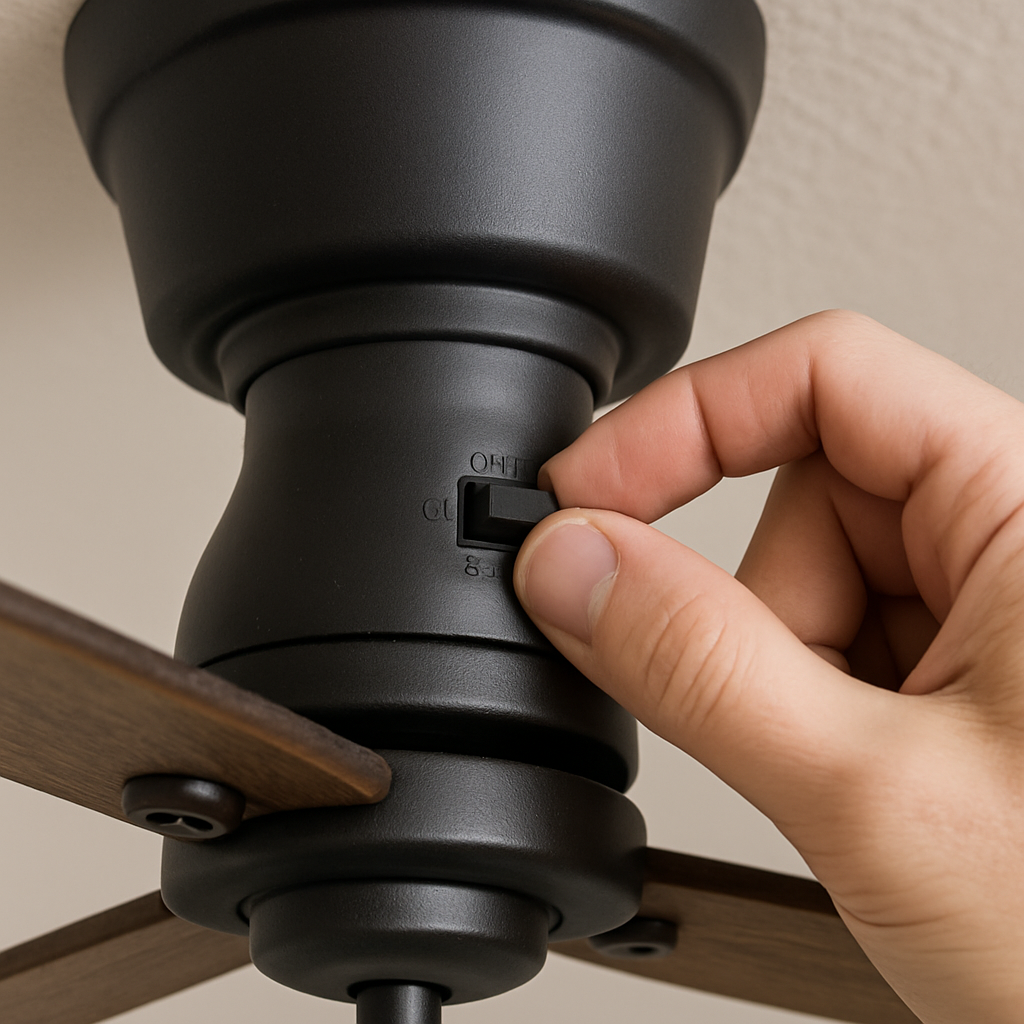
Your ceiling fan, often ignored during winter, holds the solution. On the fan’s motor housing, there’s a small switch that changes its rotation. For winter, you want the blades to spin clockwise (when looking up at it) on a low setting. This gentle reverse motion doesn’t create a draft; instead, it works by pulling the cooler air from below upwards, which forces that big pocket of trapped warmth down along the walls and back into your living space. This movement is called convection, and it’s your best friend for circulating heat.
Flipping this one switch allows the warm air to mix throughout the room, making you feel cozier almost instantly without ever touching the thermostat. It’s a fantastic, no-cost way to make your heating more efficient.
Solving the Two-Story Problem: Why Your Upstairs is a Sauna and Downstairs is a Tundra
The same “warm air rises” rule doesn’t just affect a single room; it plays out across your entire house. If you live in a home with more than one floor, you’ve definitely felt this in action: the upstairs bedrooms become uncomfortably stuffy, while the downstairs living area stays stubbornly chilly. This frustrating temperature divide isn’t a sign that your furnace is broken; it’s a natural phenomenon you can learn to manage.
Think of your house as a giant, slow-moving chimney. All the heat from your furnace rises, naturally migrating through stairwells and gaps to the highest point it can find—your top floor. This constant upward flow of warm air creates a cycle that pulls cooler, denser air across the floors of your lower level, leaving them feeling drafty. This process, known as the “stack effect,” is the primary reason for uneven heating in winter.
Fortunately, you can redirect this flow with a simple, no-cost adjustment. Go to your upstairs rooms and find the heat registers (the vents where warm air blows out). Try partially closing the dampers on a few of them. This doesn’t stop the heat; it just builds a little bit of pressure in the ductwork, forcing more of that valuable warm air to be delivered through the open vents on your colder, lower floor.
While you’re at it, do a quick check to make sure your cold air returns—those larger grates that suck air back to the furnace—aren’t blocked by furniture or rugs. Your heating system needs to easily pull in cool air to work efficiently. If a return is blocked, it’s like trying to breathe with a hand over your mouth. Keeping them clear helps your whole system run better.
Make 68°F Feel Like 72°F: The Surprising Power of Humidity
Ever notice how winter seems to bring on chapped lips and constant static shocks? That’s a telltale sign of overly dry air in your home. When the air is dry, it acts like a tiny sponge, pulling moisture directly from your skin. This process has a natural cooling effect, making you feel chilled even when the thermostat says the room is warm. It’s why just cranking up the furnace doesn’t always stop you from feeling cold.
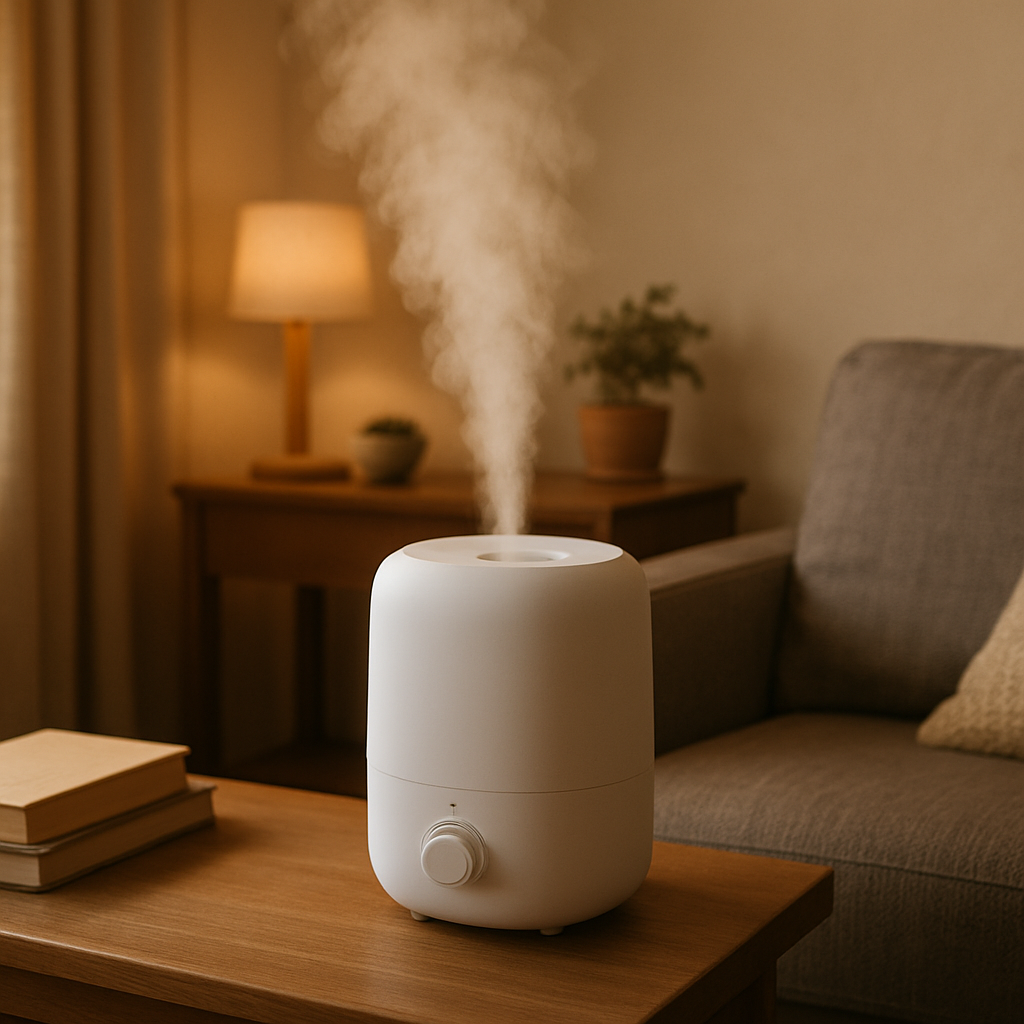
You can fight back against this winter chill by adding a little moisture back into the air. The ideal indoor humidity for winter comfort sits between 30% and 40%. Getting there is often as simple as running a small, inexpensive humidifier in your main living area or bedroom. This small change does more than just help your skin; it fundamentally changes how your body experiences the temperature in the room, letting you hold onto your natural warmth more effectively.
Here’s the real payoff: when the air isn’t actively cooling you down, you can feel perfectly cozy at a lower thermostat setting. This is how you can set your heat to a money-saving 68°F but feel as comfortable as if it were 72°F. You’re not just turning up the heat; you’re making the heat you already have work smarter.
Unlocking “Bonus Heat” You Already Make Every Day
Your daily routine is a goldmine of warmth. Think about all the activities that generate heat in your home: cooking a roast, running the dishwasher, or taking a hot shower. In the summer, we try to avoid this extra heat, but in the winter, it’s a free resource just waiting to be used. By being a little more strategic, you can capture this “bonus heat” and make your living space feel cozier without ever touching the thermostat.
The key is to let that warmth escape into your home instead of whisking it away. After you’ve finished baking, for instance, turn off the oven and crack the door open to let that wonderful, dry heat warm your kitchen. This simple mindset shift applies to other appliances, too. Look for these opportunities around your house:
- Your oven after baking. Let that residual heat warm the heart of your home.
- Your dishwasher’s drying cycle. The steam and warmth can help take the chill out of the air.
- The warm, steamy air from a shower. Leave the bathroom door open to let that humid warmth spread.
Each of these actions might seem small, but together they contribute to a more comfortable environment. It’s about being mindful of the warmth you’re already creating and putting it to work for you.
Your Winter Weekend Action Plan for a Cozier Home
You no longer need to rely solely on the thermostat to fight the cold. You now see your home as a system you can actively manage, understanding the simple dance of heat within your own walls. By applying these heat balance tips, you can capture free warmth from the sun, keep the heat you generate from escaping, and gently guide warm air back where it belongs.
Start with this simple home winterizing checklist to see immediate results and build your confidence:
- Check your fan direction: Ensure ceiling fans spin clockwise to push warm air down.
- Open south-facing curtains: Let the morning sun warm your rooms for free.
- Do the incense test: Check for drafts around your main entry door.
- Drop it by one degree: Lower your thermostat and see if you notice a difference.
You don’t need a big budget or an engineering degree to make a real impact. These small, smart adjustments will help you save on heating and create a home that feels cozier all winter. You’re now in control of your comfort.
Balancing heat from room to room makes winter comfort better and heating more efficient. Adjust airflow, seal drafts, and tweak thermostats for a warmer, more comfortable home all season.
FAQ: