Our Services
Cut Winter Heating Bills Fast With These Priority Fixes
Cut your winter heating bills fast with key strategies like lowering your thermostat and sealing air leaks. Start saving this week!
- CSLB C-20 Licensed
- NATE Certified
- EPA 608 Certified
- Licensed & Insured
Want to cut winter heating bills fast? Start with three moves: lower and schedule your thermostat, seal the air leaks bleeding heat out of your house, and get your HVAC system tuned up before the cold really sets in. Those three heating cost reduction strategies deliver the biggest, fastest savings for the least effort, and you can start on all of them this week.
Here’s the priority order, backed by the numbers behind each move:
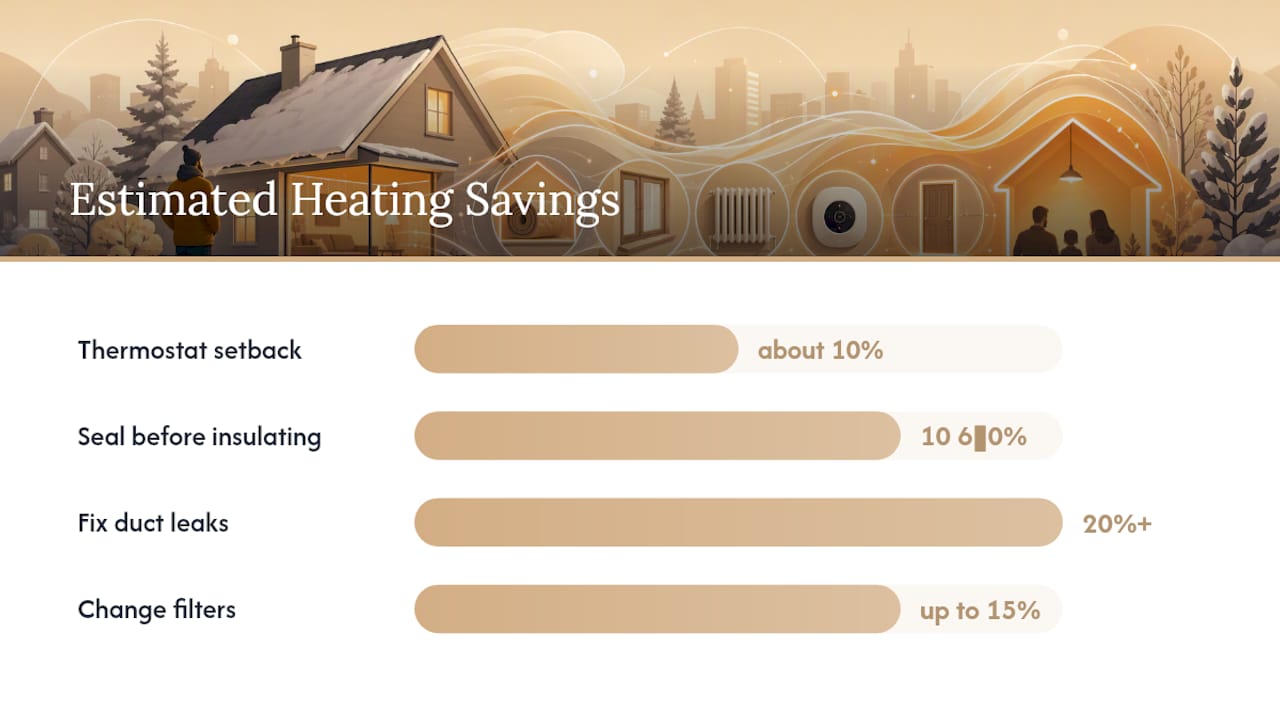
- Thermostat setback: Drop the temperature 7 to 10°F for eight hours a day (sleeping or away at work) and you can save about 10% a year on heating and cooling combined.
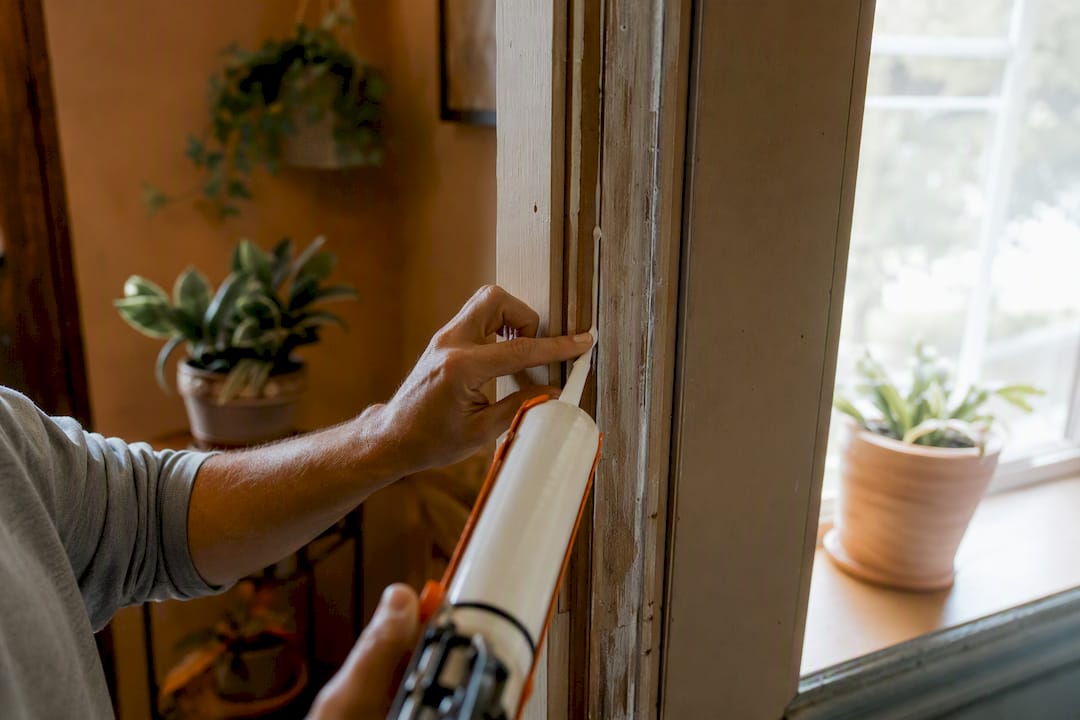
- Air sealing: Caulk, weatherstrip, and close up drafts around windows, doors, and outlets. Sealing leaks and insulating ducts can knock 10% to 20% off your heating and cooling bill.
- HVAC tune-up and filter change: A dirty filter or clogged coil can cut system efficiency by up to 15%. Change the filter tonight and book a fall tune-up.
Pro Tip: Do a five-minute drafty-window test tonight: hold a lit candle or a damp hand near window and door frames. If the flame flickers or you feel cool air, that’s a leak worth sealing before you touch the thermostat.
Key Takeaways
Thermostat scheduling, air sealing, and routine maintenance deliver the fastest heating savings, while equipment upgrades pay off only with correct sizing and installation.
| Point | Details |
|---|---|
| Set back the thermostat | Drop 7°–10°F for 8 hours daily to save about 10% annually on heating and cooling. |
| Seal before you insulate | Caulking and weatherstripping first can cut bills 10%–20% and preserve insulation performance. |
| Fix ducts with real materials | Use mastic or foil-backed tape, not cloth duct tape, to unlock a 20%+ efficiency gain. |
| Don’t skip the filter | Airflow issues from dirty filters or clogged coils can cost you up to 15% in lost efficiency. |
| Call a licensed pro for big jobs | Upright Construction & HVAC handles duct sealing, insulation upgrades, and equipment replacement with a written diagnostic and estimate. |
Thermostat Strategies That Actually Lower Your Heating Bill
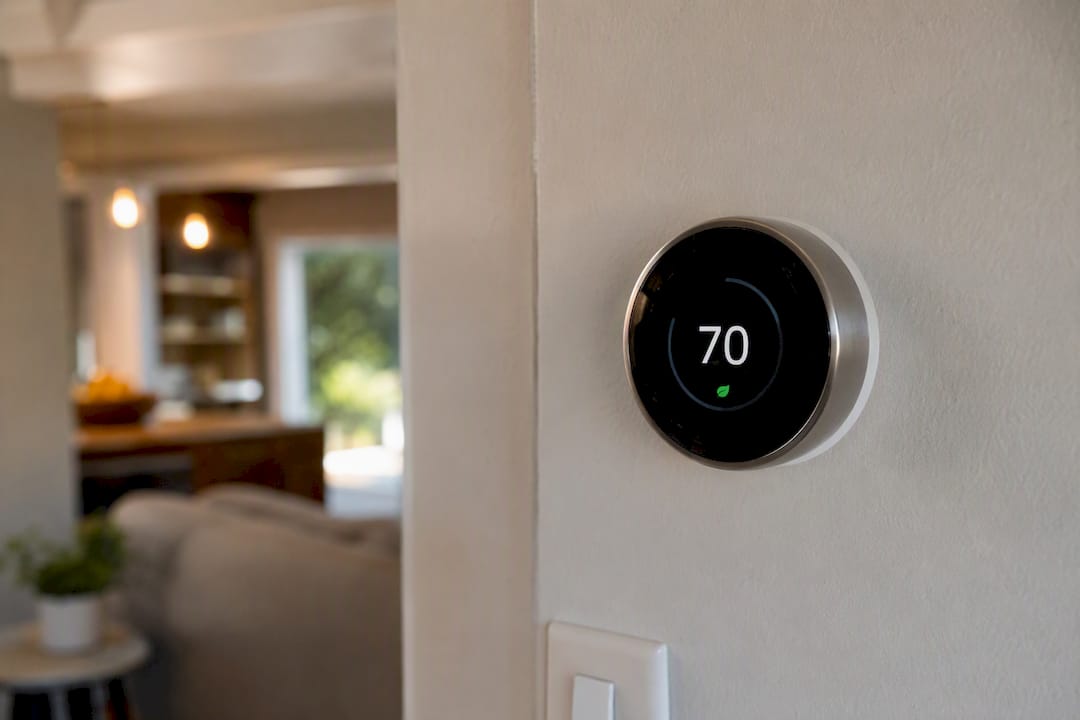
The Department of Energy’s own recommendation is simple: set your thermostat back 7 to 10°F for eight hours a day, and you’ll see roughly 10% in annual savings on your combined heating and cooling costs. That’s not a rounding error. On a typical Los Angeles winter gas bill, it’s real money back in your pocket every single month.
Here’s a schedule that works for most households:
- Night setback (10 p.m. to 6 a.m.): Drop to 62 to 65°F while you’re under blankets anyway.
- Away setback (work hours): Drop to 60 to 62°F if nobody’s home. No point heating an empty house.
- Home/wake setting: Bring it back to 68 to 70°F about 30 minutes before you wake up or get home, using a programmable or smart thermostat’s schedule feature.
A common myth trips people up here: some homeowners believe reheating a cold house burns more energy than just keeping it warm all day. That’s backwards. In most systems, a setback saves energy overall because you’re not continuously heating an occupied space that doesn’t need it.
Heat pumps are the one exception you need to know about. Push the setback too aggressively on a heat pump and you can trigger auxiliary (backup) electric heat strips, which are far more expensive to run than the compressor alone. If you have a heat pump, use a smaller setback (3 to 5°F) or a heat pump compatible thermostat that manages the transition intelligently instead of just chasing a big temperature swing. If you have pets home during the day, keep setbacks modest too. Most animals do fine around 60 to 62°F, but check with your vet for very young, old, or short-haired pets.
Seal Before You Insulate: Fixing Heat Loss The Right Way
Sealing air leaks before adding insulation is the order that actually works, because insulation traps heat but doesn’t stop moving air. For a clear overview of these weatherization upgrades and their quick impact on bills, see energy-saving home upgrades that cut bills fast. Skip the sealing step and cold drafts will cut straight through even well-insulated walls and attics. Get this order right and you can trim 10% to 20% off your heating and cooling bill, according to ENERGY STAR.
Start with the no-cost and low-cost leak sites, since these take an afternoon and a trip to the hardware store:
- Caulk gaps around window and door frames, especially older wood-frame windows common in LA’s pre-1970s housing stock.
- Add weatherstripping to door edges where you can see daylight or feel a draft.
- Install door sweeps on exterior doors, including the garage entry door.
- Apply shrink-film window insulation kits on drafty single-pane windows for the season.
- Seal gaps around recessed lighting, attic hatches, and where pipes or wiring pass through walls.
Once the leaks are handled, look at your attic. It’s usually the single biggest insulation opportunity in a home because heat rises and escapes straight through an underinsulated ceiling. Check your current insulation depth: if you can see the attic floor joists, you’re under the recommended level. Most cold-climate and mixed-climate homes need somewhere in the R-38 to R-60 range, and older Los Angeles homes are often well below that. Blown-in cellulose or fiberglass batts both work; a contractor can tell you which suits your attic access and framing.
For a home with chronic comfort complaints or a heating bill that doesn’t match its square footage, a blower-door test run by an energy auditor finds leaks you’d never catch with a candle and a Saturday afternoon. It’s worth the cost before committing to a major insulation upgrade, since it tells you exactly where the money should go instead of guessing.
Why Leaky Ducts Quietly Waste Heat You’re Already Paying For
Ductwork running through an unconditioned attic, crawl space, or garage is one of the most overlooked heating expense drains in the house. Homes with forced-air heat commonly lose a substantial share of conditioned air through joints, seams, and disconnected sections before it ever reaches a vent, and ENERGY STAR’s data shows proper duct sealing can improve system efficiency by 20% or more.
Here’s how to fix what you can reach:
- Seal accessible duct joints with mastic sealant or foil-backed (UL 181) tape, never standard cloth “duct tape,” which dries out and fails within a couple of years.
- Wrap exposed ducts running through attics or crawl spaces with duct insulation to stop heat loss along the run itself.
- Keep supply and return vents clear of furniture, rugs, and curtains so air can actually circulate.
- Resist the urge to close vents in unused rooms entirely. It can unbalance system pressure and force your HVAC to work harder elsewhere.
Pro Tip: Feel every supply vent in the house on a cold morning. If one room’s vent barely pushes air compared to the others, that’s often a sign of a disconnected or crushed duct run, not just a closed damper, and it’s worth a professional look.
If your ductwork runs through an attic and you notice rooms far from the furnace never quite get warm, that’s a strong signal to schedule professional duct testing rather than chasing the problem room by room.
The Maintenance Checklist That Keeps Your Furnace Running Efficiently
Neglected filters and coils are a quiet tax on every heating dollar you spend. ENERGY STAR found that airflow problems from dirty filters, clogged coils, or blower issues can reduce system efficiency by up to 15%, which is often the gap between a heating bill that feels normal and one that doesn’t.
- Check filters monthly during heating season and swap them every one to three months depending on filter type and household dust load. Learn more about how air filters affect HVAC performance if you’re unsure which filter your system needs.
- Clear supply and return vents of dust, furniture, and clutter so air moves freely through the system.
- Book a professional tune-up every fall, before the first cold snap, not after. A real tune-up includes checking refrigerant or heat exchanger condition, testing electrical connections, inspecting the blower motor, and verifying thermostat calibration.
- Watch for red flags: uneven heating room to room, a system that short-cycles on and off, rising bills with no change in usage, or a furnace over 10 to 15 years old. Any of these point toward needing repair or a replacement conversation.
A homeowner maintenance routine and a professional visit aren’t redundant. One catches dust and debris; the other catches the mechanical issues that quietly erode efficiency long before they cause a breakdown. Our HVAC maintenance checklist walks through both in more detail.
Free And Cheap Habits That Cut Your Thermostat Setpoint
Before you spend a dollar on equipment, a handful of daily habits let you comfortably run a lower thermostat setpoint, and every degree lower is money saved.
Layer up before you crank the heat. Flannel sheets, an extra blanket, and a good pair of wool socks buy you 2 to 3 degrees of comfort for free. It sounds almost too simple, but it’s the fastest lever you have.
Work with the sun instead of against it. Open south-facing curtains during the day to let passive solar heat warm the room, then close them at night to trap that heat in and block the cold glass from radiating chill back into the room. Insulated or thermal-lined curtains on your draftiest windows make a noticeable difference on cold nights.
Ceiling fans aren’t just a summer tool. Run them in reverse (clockwise, on low) during winter and they push warm air pooling near the ceiling back down into the living space, which lets you feel just as warm at a lower thermostat setting.
A few more quick wins worth doing this week:
- Unplug chargers, game consoles, and other devices pulling standby power when not in use.
- Never block a vent or radiator with furniture, even temporarily.
- Bake or cook in the evening; the oven’s residual heat takes the edge off a cold kitchen for free.
- Close doors to unused rooms, but leave the vent open so the HVAC system stays balanced.
Repair Or Replace: How To Judge When An Upgrade Pays Off
An aging, frequently repaired furnace is often costing you more in monthly bills than a new one would, even before you factor in the repair calls. A few signals suggest it’s time to seriously compare replacement against another repair:
- Your system is 10 to 15 years old or older and has needed more than one repair in the past two years.
- Your heating bills climb even though your usage habits haven’t changed.
- You’re relying on space heaters to make up for uneven or insufficient heat.
Heat pumps and ENERGY STAR certified furnaces both deliver real efficiency gains over aging equipment, but the payoff depends heavily on your climate and, just as importantly, on installation quality. ENERGY STAR’s own guidance is blunt about this: improper installation and incorrect sizing can erode a huge share of the efficiency gains you paid for, with poorly matched or poorly installed systems losing as much as 30% of their rated performance in real-world use.
Before signing anything, ask for a written estimate that includes projected annual savings, not just equipment cost. Compare that number against the price of one more year of repairs on your current system, and factor in any available incentives before you calculate your real payback period.
Rebates And Tax Credits That Cut Your Upgrade Cost
Federal incentive programs and local utility rebates can meaningfully lower the sticker price on a furnace or heat pump upgrade, sometimes by thousands of dollars, but you have to know where to look and how to document the purchase.
- Check federal programs first. Search CleanEnergy.gov for current tax credits tied to ENERGY STAR qualified heating equipment before you buy anything.
- Call or check your utility’s rebate portal. Many electric and gas utilities in the Los Angeles area run their own rebate programs on top of federal incentives, and they change year to year.
- Save every document. Keep your contractor’s itemized invoice, the equipment’s model and serial numbers, and the manufacturer’s ENERGY STAR certification. You’ll need these to file for both tax credits and utility rebates.
- Time your purchase around deadlines. Some rebate programs run on fixed budgets that get depleted mid-year, so ask your contractor whether current incentives are still funded before you schedule installation.
- Fold incentives into your financing conversation. A contractor who offers financing options should be able to tell you how a rebate or tax credit reduces your net financed amount, not just the sticker price.
When A DIY Fix Isn’t Enough: Calling In A Licensed Contractor
Caulking a window, swapping a filter, and adding weatherstripping are all safe, sensible DIY jobs any homeowner can knock out in an afternoon. Sealing ductwork inside a wall cavity, running a blower-door test, adding attic insulation at scale, or replacing a furnace or heat pump is a different category of work, and that’s where a licensed contractor earns their fee.
Upright Construction & HVAC has spent over 15 years handling exactly this kind of work across the Los Angeles area, from emergency HVAC repairs to full remodeling projects, and we built our process around one thing: no surprises. A proper contractor visit should always include a real diagnostic (not a guess), a written estimate with scope options, a clear timeline, and a stated warranty.
Pro Tip: If a contractor quotes you a repair or replacement without ever inspecting the equipment, or pushes a full system replacement before explaining why a repair won’t work, that’s a red flag. Ask for the diagnostic findings in writing before you approve anything.
What Homeowners Get Wrong About Heating Efficiency
The DOE and ENERGY STAR data backs a clear priority order: thermostat scheduling, air sealing, and maintenance beat equipment upgrades for return on effort, almost every time. Most homeowners get this backwards. They assume a new furnace is the fix, when the real problem is often a leaky attic hatch or a filter that hasn’t been changed since summer.
Conventional advice also tends to treat every home the same, telling everyone to crank the same 8 degree setback regardless of what’s heating the house. That’s fine for a standard furnace. It’s a costly mistake for a heat pump owner who doesn’t realize auxiliary heat just kicked on. Nuance like that gets lost in generic checklists.
If I had to rank where a homeowner should start, it’s sealing first, then scheduling, then maintenance, and only then equipment. Insulation without sealing is money half wasted. A new furnace installed into a leaky, underinsulated house is money mostly wasted. Get the cheap stuff right before you spend on the expensive stuff, and call a contractor the moment a job requires opening a wall, a duct run, or your equipment cabinet.
Book A Tune-Up Or Estimate With Upright Construction & HVAC
Upright Construction & HVAC gives Los Angeles homeowners a direct path from “my heating bill is too high” to a fixed, honest answer, without the guesswork of trying to diagnose duct leaks or aging equipment yourself.

Our technicians handle the full range of what this guide covers: fall tune-ups, duct sealing and insulation, filter and airflow diagnostics, heat pump and furnace service, and full system replacements when repair no longer makes sense. Every visit starts with a real diagnostic report and a transparent, written estimate, so you know your options and their costs before any work begins. Financing is available for larger projects like duct sealing, insulation upgrades, or a full furnace or heat pump replacement, and our team is on call 24/7 for emergency situations that can’t wait for a scheduled appointment. If your winter heating bill has you wondering what’s actually wrong, schedule an HVAC repair or tune-up with Upright Construction & HVAC and get a real answer instead of a guess.
Where To Verify Rebates And Official Guidance
- Department of Energy fall and winter tips for seasonal sealing and assessment guidance.
- ENERGY STAR heating and cooling hub for equipment and sealing standards.
- Your local utility’s rebate portal and CleanEnergy.gov for current incentive eligibility.
Sources
- Go ahead — turn down that thermostat | New Hampshire Department of Environmental Services
- Heating and cooling | ENERGY STAR
FAQ
What is the 4 p.m. rule for heating?
There’s no official DOE rule by that name, but many homeowners use it as a shorthand for starting the evening thermostat reset around 4 p.m., before peak utility demand hours, so the system isn’t working hardest when electricity or gas rates run high.
What’s the simplest trick to cut a heating bill fast?
Program a thermostat setback of 7°–10°F for eight hours a day. The DOE-backed estimate is about 10% in annual savings with essentially no cost beyond setting a schedule.
What runs up a gas heating bill the most?
Leaky ductwork and unsealed air gaps around windows and doors are usually the biggest culprits, since sealing them can cut heating and cooling costs by 10% to 20%. A dirty filter or aging, poorly maintained furnace adds to that loss.
Is it cheaper to run heat all day or set it back?
Setting it back saves money for most forced-air systems. Reheating a cooler home uses less total energy than keeping it at a constant temperature all day, which is why the 10% annual savings figure holds up even after accounting for the reheat period.
When should I call a contractor instead of doing it myself?
Call a licensed contractor for duct sealing inside walls, blower-door testing, large insulation projects, or any furnace or heat pump replacement. Upright Construction & HVAC handles these jobs across the Los Angeles area with a written diagnostic and estimate before any work starts.
Recommended
- Essential Heat Balance Tips For Every Floor In Winter - Upright Construction & HVAC
- Home HVAC Furnaces: Top 8 Quick Fixes For Heating Problems With Home HVAC Furnaces - Upright Construction & HVAC
- Wondering Why Your Heater Blowing Cold Air Instead Of Hot Air? Here’s Why - Upright Construction & HVAC
- Common Reasons Your Heat Isn’t Working - Upright Construction & HVAC
Ready to get started?
Licensed, insured & available 24/7 across Los Angeles and the San Fernando Valley.