
- Water Damage Insurance Coverage: HO-3 vs HO-5 Explained
- What Water Damage Insurance Typically Doesn’t Cover
- How to File a Water Damage Claim: Step by Step
- Why Do Insurance Companies Deny Water Damage Claims?
- Should You Hire a Restoration Contractor or Public Adjuster?
- Actual Cash Value vs. Replacement Cost: How Payouts Work
- Preventing Future Denials: Maintenance and Policy Review
- Ernie M’s Field-Tested Advice From Upright Construction & HVAC
- How Upright Construction & HVAC Backs Up Your Water Damage Claim
- Where to Verify Your Water Damage Coverage
- Sources
- FAQ
- Recommended
Most standard homeowners policies cover sudden, accidental water damage like a burst pipe, but they exclude floods and often exclude sewer backup unless you added that coverage. If a pipe just burst or an appliance line failed, shut off the water source if it’s safe to do so, take time-stamped photos of everything before cleanup starts, and call your insurer the same day.
TL;DR:
- Most homeowners policies cover sudden, accidental water damage but exclude floods and sewer backup unless additional endorsements are purchased.
- Insurance claims for gradual seepage or slow leaks are typically denied, but sudden discharges like burst pipes are covered under standard policies.
- Proper documentation within the first 72 hours, including photos, waterline markings, and timely filing, significantly improves the chances of claim approval.
- Flood damage requires separate flood insurance, and standard policies usually exclude sewer and groundwater intrusion unless specifically added.
- Using certified restorers with instrumented moisture mapping and detailed reports enhances the likelihood of successful claim reimbursement.
Water Damage Insurance Coverage: HO-3 vs HO-5 Explained
If you’re staring at your declarations page wondering what your policy actually pays for, start with the form type. Most Los Angeles homeowners carry an HO-3 policy, which covers your dwelling on an “open peril” basis (everything except what’s specifically excluded) and your personal belongings on a “named peril” basis (only what’s specifically listed). An HO-5 flips that around and covers both dwelling and contents on the broader open-peril basis, which matters more than people realize when a claim involves ruined furniture or electronics.
The distinction that actually decides most water damage insurance claims is sudden and accidental versus gradual. A supply line that ruptures overnight and floods your kitchen is sudden and accidental. A slow drip behind your washing machine that rotted the subfloor over eight months is gradual, and adjusters treat it as a maintenance failure, not a covered loss. The Insurance Information Institute confirms that homeowners policies typically pay for sudden discharge, like a burst pipe, but exclude gradual seepage.
Three coverage lines usually come into play:
- Dwelling coverage pays to repair the structure itself, including drywall, flooring, and cabinetry.
- Personal property coverage reimburses damaged belongings, furniture, electronics, and clothing.
- Additional living expenses (ALE) covers hotel stays or temporary rent if the home is unlivable during repairs.
What Water Damage Insurance Typically Doesn’t Cover
This is where homeowners get blindsided. Flooding from rising groundwater, storm surge, or overflowing rivers and storm drains is never covered by a standard homeowners policy. That protection only comes through the National Flood Insurance Program, administered through FloodSmart, or through a private flood policy. If your property sits in a moderate to high flood zone, or you’ve had prior flood losses in the neighborhood, that coverage is worth buying even outside a mandatory lender requirement.
A few other gaps trip people up constantly:
- Sewer or drain backup is usually excluded unless you’ve added a specific endorsement, often called a “sewer and drain backup rider.”
- Seepage and groundwater intrusion through foundations or basement walls is treated as a maintenance issue, not a covered peril.
- Mold remediation often carries a coverage cap (frequently $5,000 to $10,000) unless the mold resulted directly from a covered water event, and even then, FEMA notes mold can develop within 24 to 48 hours of water exposure, so speed matters for coverage as much as for health.
How to File a Water Damage Claim: Step by Step
The first 72 hours decide whether your claim sails through or gets fought over for months. Here’s the order that protects you:
- Stop the water source immediately if it’s safe. Shut the main valve or the fixture’s supply line before anything else.
- Cut power to affected outlets or panels if water is anywhere near electrical systems.
- Photograph and video everything before you move or discard a single item. Get wide shots and close-ups, with a phone timestamp visible if possible.
- Mark the waterline on walls with tape or a marker, and note the exact time you first noticed the damage.
- Call your insurer and get a claim number the same day. Write down the representative’s name and the date of the call.
- Hire emergency water extraction if standing water is involved. Fast extraction limits damage and shows the insurer you acted in good faith.
- Get 2 to 3 independent contractor estimates before repairs begin, and save every receipt, including hotel stays if you’re displaced.
Pro Tip: Back up your photos and videos to cloud storage the same day you take them. Phones get dropped in floodwater more often than you’d think, and a lost phone shouldn’t mean a lost claim.
If you want a fuller breakdown of what emergency extraction actually costs and when it’s worth calling a pro versus renting a wet vac yourself, this guide on restoration costs walks through real numbers.
Why Do Insurance Companies Deny Water Damage Claims?
Denials cluster around five causes: the insurer decides the damage was gradual rather than sudden, they reclassify the event as a flood, the loss involved sewer backup with no endorsement on file, you reported the damage too late, or your documentation simply wasn’t strong enough to prove what happened.
The Insurance Information Institute notes that gradual seepage is the most commonly cited exclusion, and it’s also the most commonly disputed one, because “gradual” is often a judgment call, not a fact.
If you’re denied, here’s how to push back:
- Request the insurer’s full claim file, including the adjuster’s notes and photos.
- Hire an independent plumber to write an origin-of-loss report pinpointing exactly when and how the failure occurred.
- Get moisture mapping done by a certified restoration contractor, since instrumented readings carry more weight than a visual guess, according to restoration industry guidance on denied claims.
- File a written request for reconsideration, then ask for a supervisor reinspection if the first answer doesn’t change.
- Contact your state Department of Insurance to file a complaint if the insurer won’t budge, or invoke the policy’s appraisal clause to force a neutral third-party review.
The financial stakes are real. Industry data puts average non-weather water damage claim severity around $13,954, which is exactly why a denied or underpaid claim is worth fighting rather than walking away from.
One more thing that catches people off guard: policy deadlines for suing your insurer often start counting from the date of loss, not the date of denial. Spend four months appealing and you might blow past your right to sue entirely. Track every deadline in writing, and don’t assume an open appeal pauses the clock.
Should You Hire a Restoration Contractor or Public Adjuster?
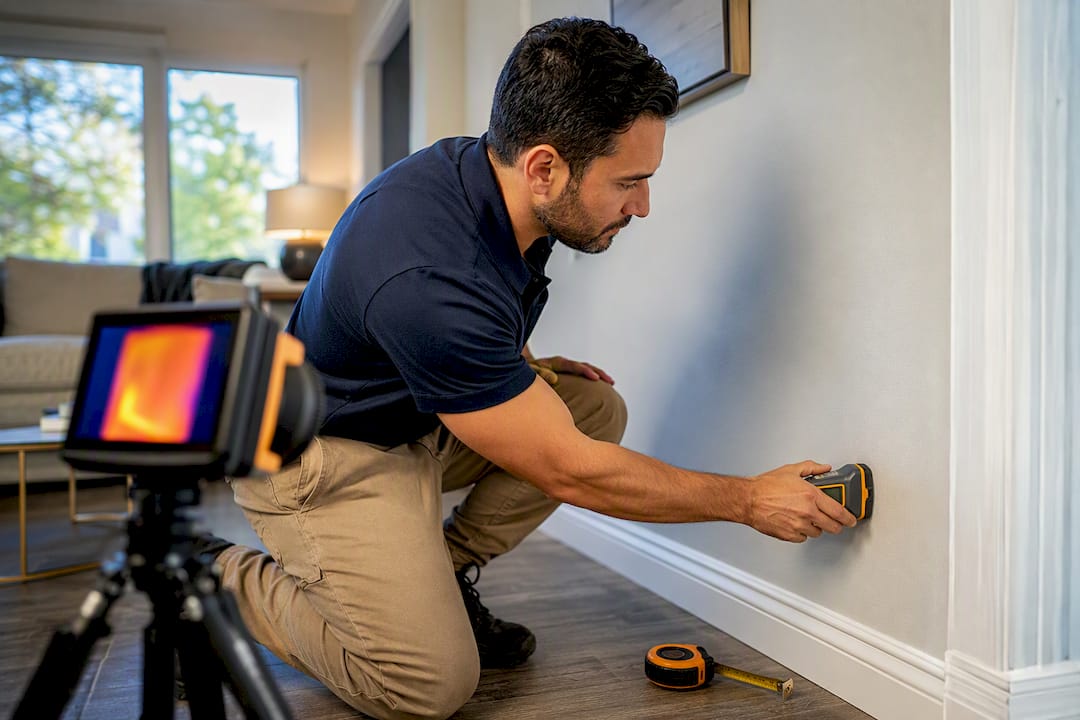
A certified restoration contractor does more than dry out your house. Firms following IICRC standards produce moisture mapping, thermal imaging, and daily drying logs, the kind of instrumented, timestamped evidence adjusters actually trust over a homeowner’s word.
A public adjuster works for you, not the insurance company, and typically charges a percentage of the settlement, often in the 10% to 20% range depending on your state and claim size. They’re worth considering on large or complex losses where the insurer’s estimate seems way off, but skip one for a straightforward, fast-moving claim.
Before hiring anyone:
- Ask for their IICRC certification number and verify it directly.
- Confirm they’re licensed and insured in California.
- Ask how they document scope for insurance purposes, not just for repairs.
Pro Tip: A contractor who documents for repair only, without insurer-ready reports, can leave money on the table. Ask upfront whether their scope of work is written for adjuster review.
Actual Cash Value vs. Replacement Cost: How Payouts Work
Your settlement depends heavily on whether your policy pays actual cash value (ACV) or replacement cost value (RCV). ACV pays the depreciated value of damaged items, while RCV pays what it costs to replace them new, though most RCV policies hold back “recoverable depreciation” until repairs are actually completed.
- Submit final contractor invoices promptly to unlock any recoverable depreciation you’re owed.
- File supplements if hidden damage, like rot behind drywall, surfaces once repairs begin. Insurers routinely underestimate scope before walls come open.
- Keep ALE receipts organized by date, since insurers may cap the payout period and want proof tied to the actual displacement timeline.
Preventing Future Denials: Maintenance and Policy Review
Insurers deny claims when they suspect neglect, so your best defense is a paper trail proving otherwise. Keep dated receipts from every plumber visit, water heater service, and roof inspection.
- Add a sewer backup endorsement and consider a service line endorsement for underground pipe failures.
- If you’re in a flood-prone area, buy flood insurance through NFIP or a private carrier well before storm season, not after a warning.
- Review your declarations page annually with your agent, checking limits, deductibles, and endorsements against your home’s current value.
Pro Tip: Photograph your water heater’s install date sticker and any plumber’s invoice every time work happens. That single habit rebuts more “neglect” denials than any argument you could make after the fact.
Ernie M’s Field-Tested Advice From Upright Construction & HVAC
After 15 years doing this work across Los Angeles, my three priorities never change: stop the source safely, document before you touch anything, and call a certified restorer fast. We build every job around moisture mapping and daily logs because that paperwork is what turns a fight into a paid claim.
— Ernie M
How Upright Construction & HVAC Backs Up Your Water Damage Claim
Upright Construction & HVAC is the direct alternative to hiring a generic cleanup crew and hoping your paperwork holds up, we build the claim file while we fix the water. Our team runs 24/7 emergency water extraction the moment you call, then follows it with moisture mapping and inspection reporting that gives your adjuster the exact instrumented data insurers respect.

Beyond extraction, we provide insurance claim documentation support, itemized scopes, dated photo logs, and contractor estimates formatted for adjuster review, so you’re not scrambling to prove your case weeks later. Once the claim settles, our remediation and reconstruction team rebuilds the space properly. If a pipe just failed or you’re standing in water right now, contact Upright Construction & HVAC for emergency mitigation before you do anything else.
Where to Verify Your Water Damage Coverage
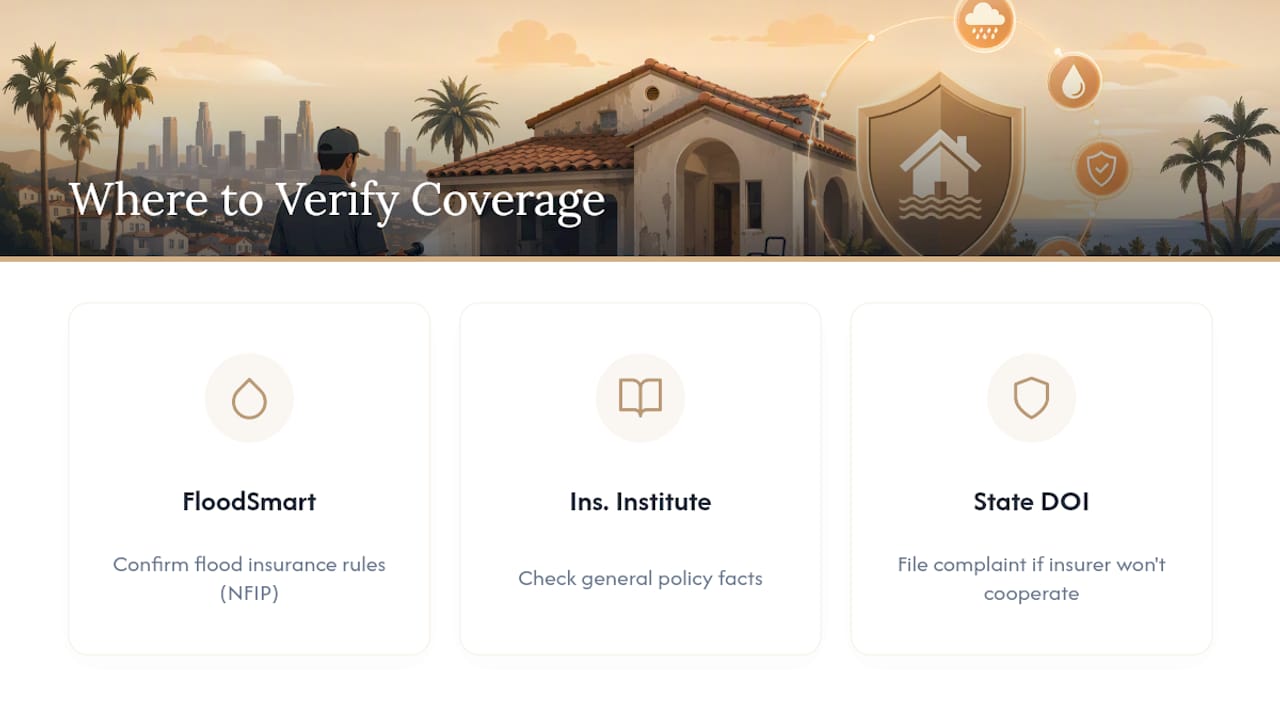
Confirm flood insurance rules directly through FloodSmart (NFIP), check general policy facts through the Insurance Information Institute, and file a formal complaint with your state Department of Insurance if an insurer won’t cooperate.
This article is general information, not a substitute for advice from a qualified financial advisor. Consult a qualified financial professional about your own circumstances before acting on anything here.
Sources
FAQ
How much do insurance companies pay out for water damage?
Payouts vary widely by damage extent and policy limits, but industry data puts average non-weather water damage claim severity around $13,954, covering both structural repair and contents.
Is it worth filing an insurance claim for water damage?
Yes, for sudden and accidental losses covered under your policy, since repair costs from burst pipes or appliance failures often run into the thousands, well above most deductibles, making a claim worth the paperwork.
How long does a water damage claim stay on your insurance record?
Claims typically stay on your insurance history for 5 to 7 years and can affect premiums or renewal decisions, though the exact window depends on your carrier and state.
Why would a water damage claim be denied?
The most common reasons are gradual damage classification, flood reclassification, missing sewer backup endorsements, late reporting, and insufficient documentation, according to Insurance Information Institute guidance on covered perils.
Can Upright Construction & HVAC help with my insurance claim documentation?
Yes. Upright Construction & HVAC provides moisture mapping, daily drying logs, and itemized scopes formatted for adjuster review, which strengthens both new claims and appeals of denied ones.