- Why HVAC systems fail: common causes you should know
- Key maintenance tasks that prevent HVAC failures
- How smart controls help you avoid HVAC repairs
- Warning signs your HVAC system needs attention now
- The real cost savings from proactive HVAC maintenance
- How to build a proactive HVAC maintenance plan that sticks
- Recommended maintenance schedule at a glance
- Step-by-step HVAC inspection checklist
- How to spot and address component wear and tear
- Keeping your HVAC efficient through seasonal changes
- How to safely clean HVAC components yourself
- When to call a professional HVAC technician
- Why proactive maintenance is the only mindset that works
- Key Takeaways
- FAQ
- Recommended
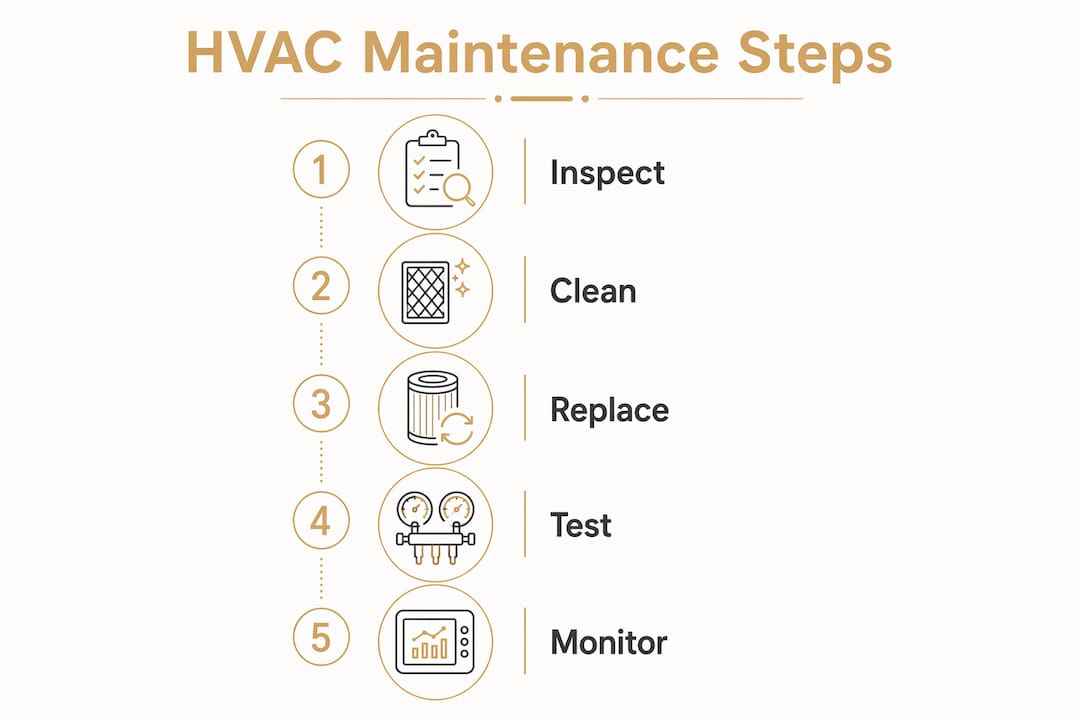
The most effective way to prevent HVAC breakdowns proactively is to act before anything goes wrong. That means replacing filters every 30–90 days, scheduling two professional tune-ups per year, cleaning coils, and watching your system’s runtime for anything unusual. The U.S. Department of Energy confirms that following operations and maintenance best practices can cut annual energy costs by 5–20% without major capital investment. Those savings are real, and they start with the basics.
Here is what proactive HVAC care looks like in practice:
- Replace air filters every 30–90 days (more often with pets or allergies)
- Schedule professional inspections twice yearly, spring and Fall
- Clean condenser and evaporator coils at least once per season
- Check refrigerant levels annually with a certified technician
- Monitor your system’s runtime for short cycling or unusually long run times
- Inspect ductwork for leaks, kinks, or disconnected sections
- Keep a maintenance log with dates, costs, and technician notes
Why HVAC systems fail: common causes you should know
Most HVAC failures are not random. They build up quietly over months, driven by a handful of predictable problems.
- Dirty or clogged filters: Filter neglect is the leading cause of mid-season breakdowns. A clogged filter forces the blower motor to work overtime, burning out capacitors and relays.
- Refrigerant leaks: A 10% undercharge reduces efficiency by 20%, pushing the compressor toward failure.
- Short cycling: Poor thermostat programming or an oversized unit causes the system to flip on and off rapidly. According to Energy Star, short cycling creates more mechanical wear than normal operation.
- Duct leaks: Disconnected or leaky ductwork reduces system efficiency by 20–30%, causing uneven temperatures and wasted energy.
- Electrical issues: Loose wiring creates resistance and heat, leading to melted terminals and intermittent failures.
- Dirty coils: A coated condenser coil cannot shed heat, forcing the compressor to run hotter and longer.
Understanding these failure points is half the battle. The other half is doing something about them before they escalate.
Key maintenance tasks that prevent HVAC failures
Proactive HVAC care comes down to a short list of tasks done consistently. Here is what replacing filters and scheduling tune-ups actually looks like when you break it into a working checklist.
Monthly:
- Check and replace air filters (every 30 days in high-dust or pet homes)
- Visually inspect the area around your indoor air handler for water or stains
- Test the thermostat to confirm it reads room temperature accurately
Seasonally (spring and Fall):
- Clean condenser coils with an approved solution
- Flush the condensate drain line with white vinegar or a bleach solution
- Inspect capacitors and contactors for pitting or burning
- Check refrigerant levels using superheat and subcooling methods
- Lubricate blower motor bearings
- Inspect accessible ductwork for leaks or disconnected sections
Annually:
- Measure blower motor amp draw against nameplate values
- Tighten all electrical connections throughout the system
- Calibrate the thermostat or replace if readings are off by more than 2–3°F
- Inspect the heat exchanger for cracks (carbon monoxide risk)
A professional spring tune-up typically costs between $75 and $175 and takes 45–90 minutes to complete. It covers refrigerant pressure checks, electrical connection testing, thermostat calibration, and condensate drain cleaning. That is money well spent compared to an emergency call.
Pro Tip: Never add refrigerant without finding and fixing the leak first. “Topping off” a leaking system violates EPA regulations and damages the compressor over time.
How smart controls help you avoid HVAC repairs
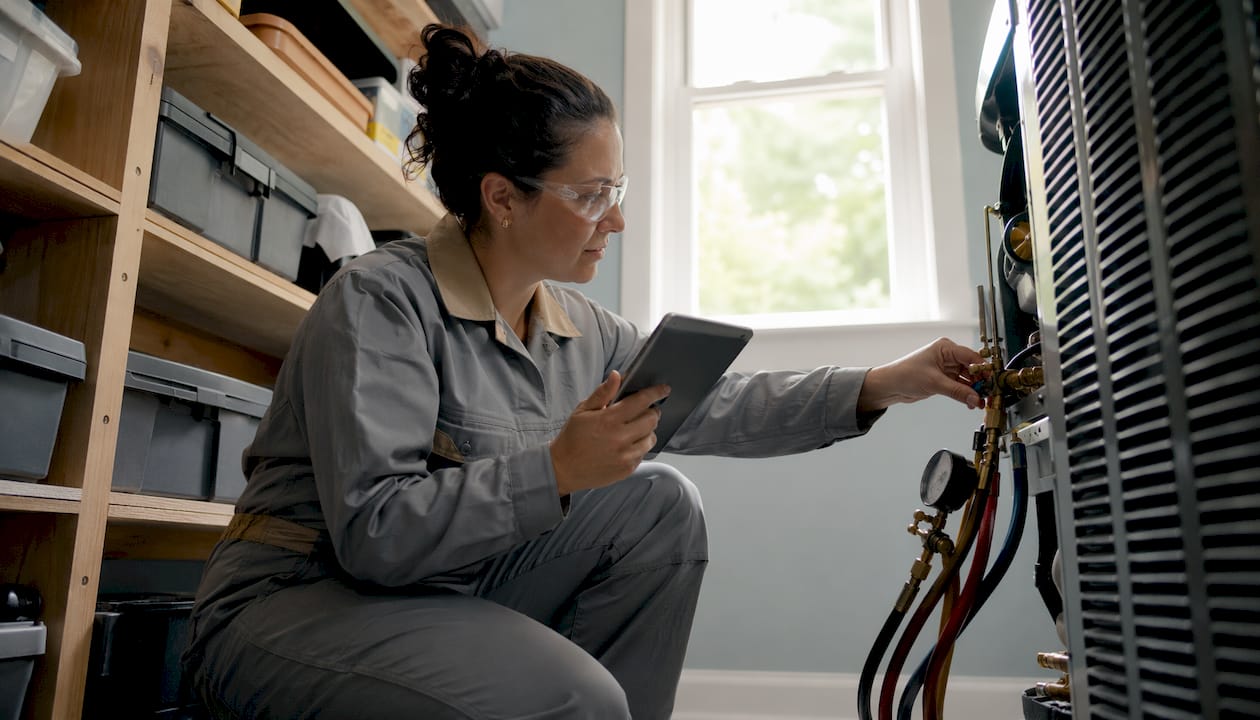
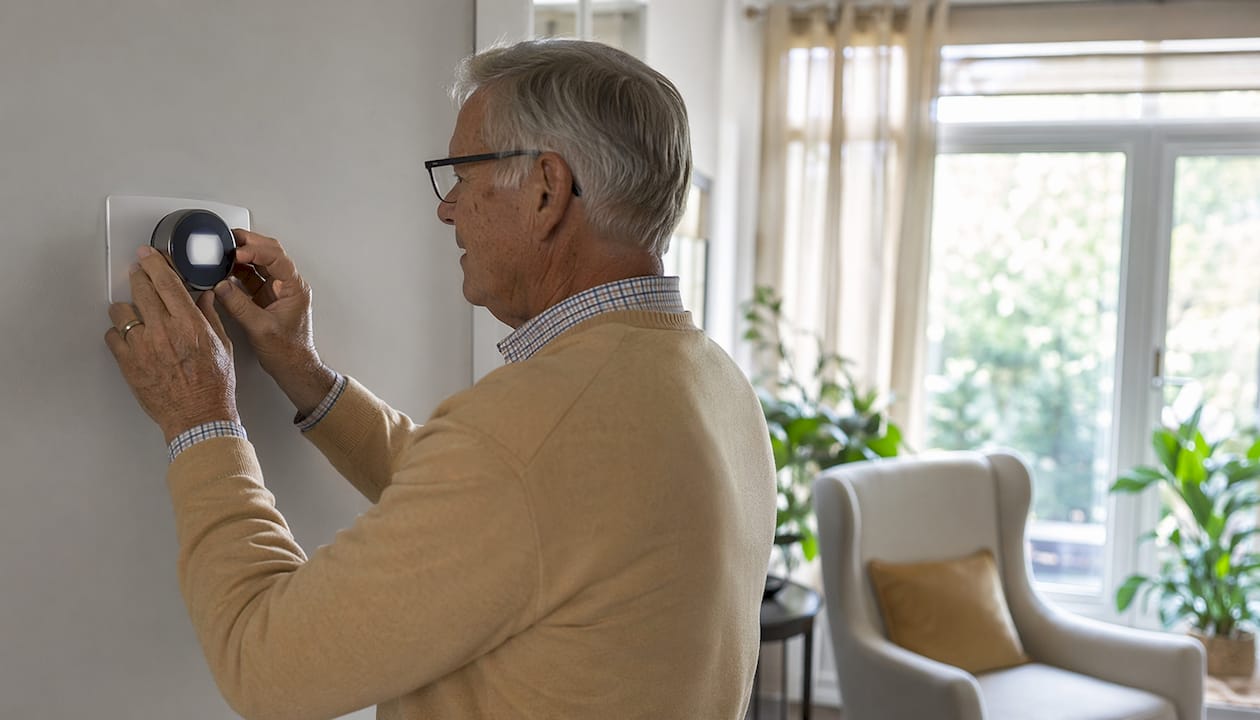
A programmable or smart thermostat does more than set temperature schedules. Used correctly, it actively helps prevent failures by keeping your system from running when it does not need to.
- Scheduling: Set cooling to 78°F when you are home and higher when away. The DOE recommends this approach to reduce runtime and wear.
- Remote sensors: Devices like the Ecobee and Google Nest use remote sensors to eliminate the 2–3°F calibration errors that cause short cycling.
- Runtime monitoring: Track how long your system runs each day. A sudden increase with similar outdoor temperatures often points to a developing problem, such as low refrigerant or a failing capacitor.
- Load balancing: Smart controls prevent the system from running during peak grid hours, reducing both energy costs and mechanical stress.
Improper scheduling is one of the most overlooked causes of premature equipment failure. Poorly managed setpoints and schedules cause short cycling that wears out components far faster than normal operation. A smart thermostat removes most of that risk automatically.
Pro Tip: After installing a smart thermostat, do an after-hours walk-through once every six months. Listen for equipment running when it should be off. That simple check catches scheduling errors before they become repair bills.
Warning signs your HVAC system needs attention now
Catching a problem early is almost always cheaper than waiting for a full breakdown. These signs mean your system needs a look before the next scheduled tune-up.
- Unusual noises: Grinding or squealing points to a failing motor or loose parts. Turn the system off and call a technician.
- Musty or burning smells: Musty odors suggest mold in the ductwork or drain pan. A burning smell often means an electrical issue.
- Uneven temperatures: Rooms that are noticeably warmer or cooler than others usually indicate duct leaks or blocked registers.
- Rising energy bills: An increase of more than 15% compared to the same month last year, with similar outdoor temperatures, suggests low refrigerant, dirty coils, or duct leaks.
- Ice on refrigerant lines: This signals restricted airflow or low refrigerant. Turn off the AC immediately and call a pro.
- Water around the indoor unit: A clogged condensate drain is the usual cause. Left alone, it triggers the system’s safety switch and shuts everything down.
- Short cycling: If your system turns on and off every 5–10 minutes, check the filter first, then call for service.
For a deeper look at common HVAC repair challenges and how to address them before they get expensive, it pays to know what you are dealing with.
The real cost savings from proactive HVAC maintenance
Proactive maintenance pays for itself, and the math is not complicated. The U.S. Department of Energy estimates 5–20% annual energy savings from consistent operations and maintenance practices alone. Two professional tune-ups per year at $75–$175 each cost far less than a single emergency visit, which typically runs $100–$300 on top of repair costs.
Proper lubrication of motors and bearings can extend a motor’s operational life by 5–10 years, according to facility management research on HVAC preventive maintenance.
Beyond energy bills, proactive care protects your warranty, reduces unplanned downtime, and extends the overall lifespan of your equipment. A system that gets regular attention simply lasts longer and breaks down less often during the heat waves and cold snaps when you need it most.
How to build a proactive HVAC maintenance plan that sticks
The biggest challenge with HVAC maintenance is not knowing what to do. It is actually doing it on schedule, every time.
- Set recurring calendar reminders for monthly filter checks, seasonal transitions in March and October, and annual tune-ups.
- Keep a written or digital maintenance log recording every filter change, tune-up, and repair with dates and technician notes. This history is often required for warranty claims.
- Consider an HVAC service contract that covers two annual tune-ups, priority scheduling, and repair discounts. Most plans run $150–$300 per year.
- Divide tasks clearly: homeowners handle monthly filter checks and visual inspections; certified technicians handle refrigerant, electrical diagnostics, and gas lines.
- For commercial buildings or systems older than 10 years, move to quarterly inspections rather than biannual.
Pro Tip: Use a digital checklist or a CMMS platform to track maintenance history across multiple units. When you can show a pattern of rising amp draws or repeated low refrigerant readings, you have a data-driven case for replacement before the system fails at the worst possible time.
Recommended maintenance schedule at a glance
| Frequency | Task |
|---|---|
| Monthly | Check and replace air filters; inspect drain pan for water |
| Spring | Professional tune-up ($75–$175); clean condenser coils; flush drain line; check refrigerant |
| Fall | Furnace inspection; check heat exchanger; test ignition and safety controls |
| Annually | Blower amp draw check; tighten all electrical connections; duct inspection |
| Every 10+ years | Full system evaluation; consider replacement planning |
Most residential systems need service twice a year. Commercial properties with heavy runtime benefit from quarterly visits.
Step-by-step HVAC inspection checklist
A thorough inspection follows a logical sequence from the air handler inward to the outdoor unit.
- Inspect and replace the air filter. Hold it to light. If you cannot see through it, replace it.
- Check the condensate drain pan. Any standing water means a clog. Flush the line with vinegar.
- Inspect the evaporator coil. Look for ice, heavy dust buildup, or visible damage.
- Test the thermostat. Place a separate thermometer nearby. A gap of more than 2–3°F requires recalibration.
- Measure blower motor amp draw. Compare against the nameplate. High readings indicate bearing wear.
- Inspect electrical connections. Tighten all terminals. Look for discoloration or melted insulation.
- Check capacitor readings. Compare microfarad values against nameplate specs.
- Inspect the outdoor condenser coil. Clear debris and check fin condition.
- Verify refrigerant pressure. Only an EPA Section 608-certified technician can legally handle this step.
- Walk accessible ductwork. Look for disconnected joints, crushed flex duct, or deteriorated insulation.
How to spot and address component wear and tear
HVAC components wear out on predictable timelines. Knowing what to look for keeps you ahead of failures.
Capacitors typically show weakness through slow startups, humming sounds, or a system that trips the breaker. A technician can measure microfarad output and compare it to the nameplate rating. Replacing a weak capacitor costs far less than replacing the compressor it protects.
Blower motors signal wear through high amp draws, unusual vibration, or reduced airflow. Lubricating bearings annually extends motor life significantly. Once amp draw climbs well above nameplate values, replacement is usually more cost-effective than continued repair.
Contactors develop pitting and burning marks over time. A pitted contactor creates resistance, generates heat, and eventually fails to make contact at all. Visual inspection during every tune-up catches this early.
Ductwork degrades through vibration, temperature cycling, and pest activity. Leaky ducts waste conditioned air and force the system to run longer. Sealing leaks with mastic or metal tape is a straightforward fix with an immediate efficiency payoff.
Keeping your HVAC efficient through seasonal changes
Each season brings different stress points, and your maintenance approach should shift accordingly.
Spring: Focus on the cooling system. Clean condenser coils, check refrigerant, flush the condensate drain, and test the thermostat in cooling mode. Schedule your professional tune-up in March or April for the best availability and rates.
Summer: Check filters every 30 days. During peak cooling season, systems run 8–16 hours daily, and a clogged filter can freeze the evaporator coil within days. Monitor energy bills monthly.
Fall: Shift focus to the furnace. Inspect the heat exchanger for cracks, test the ignition system, and verify that the flue is clear. A clogged filter in winter can overheat the heat exchanger and trigger the high-limit safety switch.
Winter: Clear snow and ice from around outdoor heat pump units. Maintain at least 2 feet of clearance. The defrost cycle handles light ice, but solid ice covering the entire unit requires a technician.
How to safely clean HVAC components yourself
Some cleaning tasks are safe for homeowners. Others require a certified technician.
Safe for homeowners:
- Replace air filters (wear a dust mask if the filter is heavily soiled)
- Pour a cup of white vinegar down the condensate drain line monthly
- Gently rinse the outdoor condenser coil with a garden hose from the inside out, after turning off power at the disconnect
- Wipe down supply and return vents with a damp cloth
- Clear debris and vegetation from around the outdoor unit
Leave to a certified technician:
- Chemical coil cleaning with commercial solutions (aluminum fins damage easily)
- Refrigerant handling (requires EPA Section 608 certification)
- Duct cleaning with powered equipment
- Electrical component testing and replacement
- Gas line inspection and heat exchanger checks
Always shut off power at the disconnect box before touching any component. Never bypass a safety switch to get the system running.
When to call a professional HVAC technician
Some situations call for a pro immediately, regardless of where you are in your maintenance schedule.
Call a technician right away if you notice ice on refrigerant lines, a burning smell, the system short cycling every few minutes, or warm air from vents during cooling season. These are not “watch and wait” situations. Delaying often turns a $200 repair into a $2,000 compressor replacement.
For planned preventive work, the annual HVAC inspection is the single most valuable professional service you can schedule. A good technician does more than check boxes. They build a history of your system’s health, track trends in amp draws and refrigerant pressure, and flag components that are aging before they fail. That kind of visit is worth every dollar of the $75–$175 it costs.
For Los Angeles homeowners, Upright Construction & HVAC offers preventative maintenance in Los Angeles with 24/7 support and same-day availability when emergencies arise.

Ready to stop reacting and start preventing? Upright Construction & HVAC has served Los Angeles homeowners for over 15 years with transparent diagnostics and proactive care. Whether you need a seasonal tune-up or a full HVAC repair in Los Angeles, our team is ready to help. Call us today or schedule online.
Why proactive maintenance is the only mindset that works
I have been in this business for over 15 years, and the pattern never changes. Homeowners call us in july when the AC dies during a heat wave, and the first thing they say is, “It was working fine last week.” But when we look at the system, the filter has not been changed in six months, the capacitor readings were borderline for at least a year, and the condenser coil is packed with debris.
The conventional wisdom says HVAC maintenance is about catching problems early. That is true, but it misses the deeper point. Maintenance is about building a relationship with your equipment. Every filter change, every tune-up, every note in a maintenance log is a data point. Over time, those data points tell a story. Rising amp draws, gradual refrigerant loss, increasing runtime on similar weather days. That story tells you what is coming before it arrives.
What I see homeowners underestimate most is the cost of doing nothing. A $150 tune-up feels optional until you are writing a $3,000 check for a compressor in the middle of summer. The math is not close. Proactive care is not just cheaper. It gives you control over your home’s comfort instead of handing that control to a system that is quietly failing.
Key Takeaways
Consistent proactive maintenance is the single most effective way to extend HVAC lifespan, cut energy costs notably, and avoid emergency repair bills. source
| Point | Details |
|---|---|
| Filter changes are non-negotiable | Replace filters every 30–90 days; neglect is the leading cause of mid-season breakdowns. |
| Two tune-ups per year | Schedule professional service each spring and Fall at $75–$175 per visit. |
| Refrigerant leaks hurt fast | A 10% undercharge reduces efficiency by 20% and risks compressor failure. |
| Duct leaks waste energy | Disconnected or leaky ductwork reduces system efficiency by 20–30%. |
| Smart thermostats prevent short cycling | Proper scheduling eliminates the excessive wear caused by poor setpoint management. |
FAQ
What is the $5,000 rule for HVAC?
A common rule of thumb is to multiply the system’s age by the estimated repair cost to help decide on replacement; if the resulting number is high, replacement may be the smarter investment.
What are the 3 R’s of HVAC?
The 3 R’s stand for Repair, Replace, and Retrofit. They describe the three options a technician or building manager evaluates when a system underperforms, with the choice depending on equipment age, repair cost, and efficiency goals.
Should I proactively replace my HVAC system?
If your system is older than 15 years, requires frequent repairs, or shows consistently rising energy bills despite maintenance, proactive replacement often costs less over five years than continued reactive repairs. A certified technician can assess whether your system is worth maintaining or approaching end of life.
What is the 20% rule for air conditioners?
The 20% rule suggests that if an AC repair costs a significant portion of the price of a new system, replacement is generally the better financial decision. It complements other decision guides and helps homeowners avoid pouring money into aging equipment.