
- What actually makes an HVAC brand reliable?
- Key factors affecting HVAC quality and long-term performance
- How do the top HVAC brands actually compare?
- How to choose a reliable HVAC system for your home
- What we’ve learned after 15 years in the field
- How do Carrier, Trane, Lennox, Bryant, and Daikin actually stack up?
- Real-world failure rates and what reliability testing actually tells you
- Is your HVAC system giving you the reliability you paid for?
- Key Takeaways
- FAQ
- Recommended
What actually makes an HVAC brand reliable?
The most reliable HVAC brands share six measurable traits: long equipment lifespan, strong energy efficiency ratings, comprehensive warranty coverage, responsive customer service, low repair frequency, and a well-stocked local dealer network. Brands like Trane, Carrier, Lennox, Daikin, Bryant, American Standard, Goodman, Rheem, and Mitsubishi Electric each perform differently across these criteria, and knowing where each one stands helps you avoid a costly mistake.
I’ve spent over 15 years installing and servicing HVAC systems across Los Angeles, and I can tell you that the brand on the unit matters less than most homeowners think — until it doesn’t. When a compressor fails at 2 AM in August, the brand’s dealer network, parts availability, and warranty terms become very real. Here’s what you need to know before you buy.
The six reliability factors that matter most
- Durability and longevity: A quality central AC should last 15–20 years under normal use. Consumer Reports survey data from 13,306 units shows roughly 19% of central AC systems encountered at least one problem during their service life.
- Energy efficiency ratings: SEER2 (cooling), AFUE (furnace), and HSPF (heat pump) ratings reflect how hard a system works to deliver comfort. Higher ratings mean less operational stress and lower utility bills.
- Warranty coverage: Most top brands offer 10-year parts warranties, but only when you register the equipment within 60–90 days of installation. Miss that window and coverage often drops to 5 years.
- Customer service quality: How a brand handles warranty claims and service calls tells you more about real-world reliability than any spec sheet.
- Repair frequency: Brands with lower repair rates reduce your total ownership cost and the headache of scheduling service calls.
- Local dealer support: A brand with a strong regional dealer presence means faster repairs, stocked parts, and technicians who actually know the equipment.
How top brands compare at a glance
| Brand | Durability | Efficiency (SEER2) | Warranty | Dealer Network | Repair Frequency |
|---|---|---|---|---|---|
| Trane | Excellent | Up to 22 | 10-yr parts (registered) | Very strong | Low |
| Carrier | Excellent | Up to 24+ | 10-yr parts (registered) | Very strong | Low |
| Lennox | Excellent | Up to 28 | 10-yr parts (registered) | Strong | Low–moderate |
| Bryant | Very good | Up to 20+ | 10-yr parts (registered) | Strong | Low–moderate |
| Daikin | Very good | Up to 23+ | 12-yr parts (registered) | Growing | Low |
| American Standard | Excellent | Up to 22 | 10-yr parts (registered) | Strong | Low |
| Goodman | Good | Up to 19+ | Lifetime compressor (registered) | Very strong | Moderate |
| Rheem | Good | Up to 20+ | 10-yr parts (registered) | Strong | Moderate |
| Mitsubishi Electric | Excellent | Up to 42 | 12-yr parts (registered) | Moderate | Very low |
Installation quality and proper sizing affect every brand on this list. A premium Lennox unit installed incorrectly will underperform a mid-tier Goodman installed right.
Key factors affecting HVAC quality and long-term performance
Durability under continuous operation
HVAC systems run thousands of hours per year, and the components that wear fastest are the compressor, heat exchanger, and blower motor. Brands that use higher-grade metals, tighter manufacturing tolerances, and corrosion-resistant coatings tend to outlast those that cut corners on materials. Consumer Reports data shows that about 24% of central AC units stopped working as well as they should or altogether during the survey period, which underscores how much manufacturing quality varies across the market.
Heat pumps face an even steeper challenge. They run year-round in both heating and cooling modes, which compounds wear. CR’s heat pump analysis found that 29% of heat pumps broke or stopped working by the end of the eighth year of ownership, essentially halfway through their expected lifespan. That’s a sobering number, and it’s why brand selection and proper maintenance matter so much for heat pump owners.
Energy efficiency ratings and their role in reliability
SEER2, AFUE, and HSPF ratings do more than predict your utility bill. A system that runs efficiently cycles less frequently, generates less heat stress on internal components, and experiences fewer mechanical failures over time. The Energy Star program certifies central air conditioners with a minimum SEER of 15, while the most efficient models reach SEER 26 or higher. Choosing an Energy Star certified unit is a reasonable baseline for both savings and longevity.
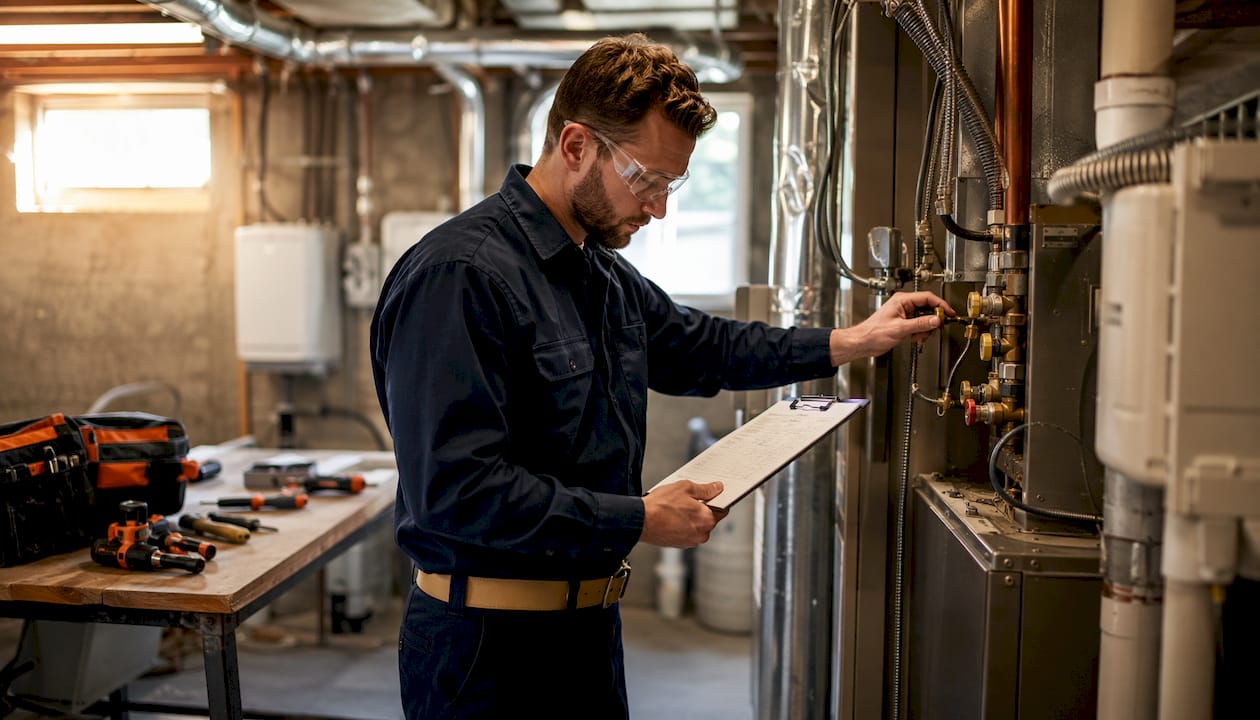
AFUE measures furnace efficiency as a percentage of fuel converted to heat. A 96% AFUE furnace wastes only 4% of its fuel, compared to 20% or more for older units. HSPF applies to heat pumps and measures heating output per unit of electricity consumed. All three ratings reward you twice: lower monthly bills and reduced mechanical strain.
Warranty coverage as a reliability signal
A brand that offers a 10-year or 12-year parts warranty is making a public bet on its own equipment. That confidence is worth something. But the fine print matters enormously. Failing to register your HVAC equipment within 60–90 days of installation typically reduces coverage from 10 years to 5 years, cutting your protection in half. Many homeowners never find out until they file a claim.
Beyond parts coverage, pay attention to what the warranty excludes. Labor costs, refrigerant, and coil cleaning are often not covered. Some brands offer extended labor warranties through their dealer networks, which can be worth the added cost on premium equipment.
Pro Tip: Ask your installer to confirm equipment registration in writing before they leave your home. A quick email confirmation with the registration number takes two minutes and protects years of coverage.
Consumer trust, customer service, and repair frequency
Reliability is the second-best predictor of homeowner satisfaction with an HVAC system, right behind quiet operation. Brands that back their products with accessible customer service, clear warranty claims processes, and fast parts fulfillment earn repeat business and strong word-of-mouth. Brands that make claims difficult tend to show up in homeowner forums for the wrong reasons.
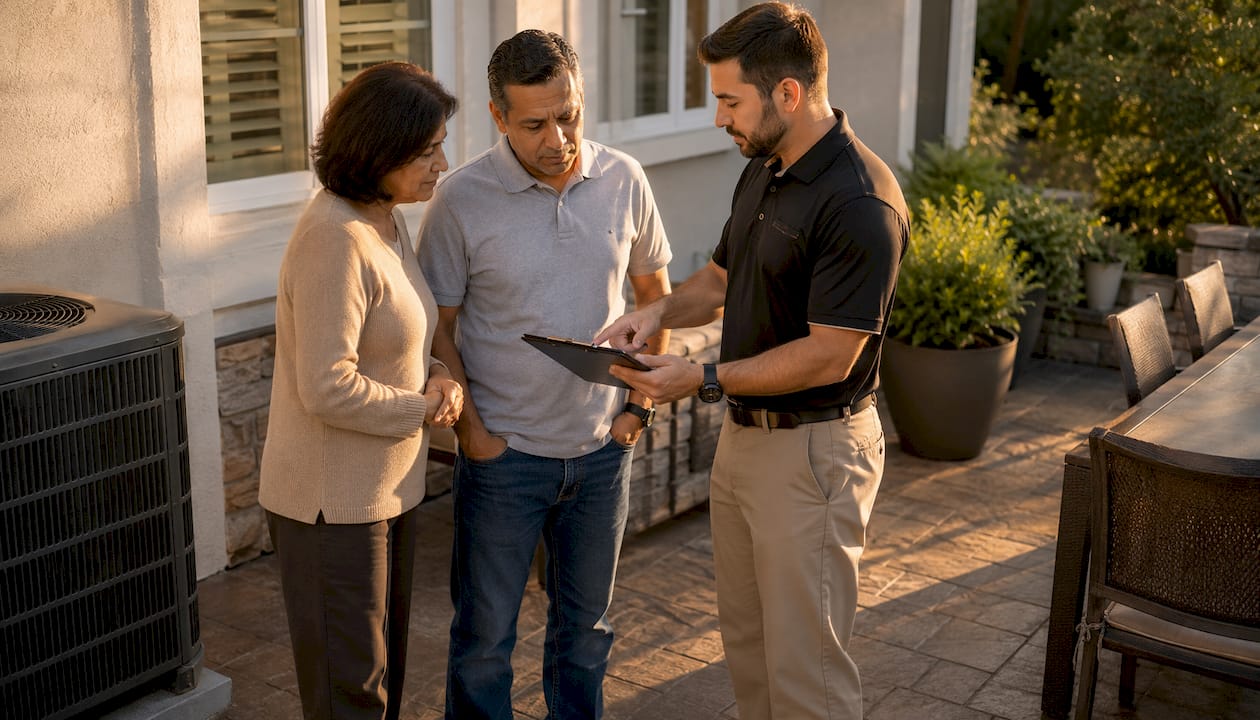
Repair frequency data from Consumer Reports member surveys gives you the clearest picture of real-world reliability. Brands with lower repair rates save you money and stress over the life of the system. That data, combined with owner satisfaction scores, is the most honest comparison available to homeowners today.
How do the top HVAC brands actually compare?
Choosing between leading brands means weighing their strengths against your specific situation: climate, home size, budget, and the quality of local dealer support in your area.
| Brand | Strongest reliability trait | Best suited for | Notable consideration |
|---|---|---|---|
| Trane | Durability, brand trust | Homeowners wanting proven longevity | Rated most trusted HVAC brand for 12 consecutive years |
| Carrier | Efficiency, dealer network | Homeowners prioritizing efficiency and service access | Wide dealer coverage across the U.S. |
| Lennox | Peak efficiency ratings | Homeowners focused on energy savings | Highest SEER ratings available; premium price point |
| Bryant | Value, reliability balance | Budget-conscious homeowners wanting durability | Shares engineering lineage with Carrier |
| Daikin | Warranty length, efficiency | Homeowners wanting long parts coverage | 12-year warranty with registration; strong mini-split lineup |
| American Standard | Durability, repair data | Homeowners prioritizing low repair frequency | Closely related to Trane in engineering |
| Goodman | Upfront affordability | Budget-first buyers with strong local dealer access | Lifetime compressor warranty (registered); moderate repair rate |
| Rheem | Versatility | Homeowners wanting a full product lineup | Strong in both HVAC and water heating |
| Mitsubishi Electric | Efficiency, low failure rate | Homes needing ductless or zoned solutions | Best-in-class SEER ratings for mini-splits |
One thing I want to be clear about: brand trust rankings and empirical repair data don’t always tell the same story. Trane has earned America’s Most Trusted HVAC Brand designation for 12 consecutive years through Lifestory Research, and its repair data from Consumer Reports generally supports that reputation. But trust alone doesn’t guarantee your specific unit will be trouble-free. Installation quality, local climate, and maintenance habits all play a role.
Local dealer network strength often matters more than brand prestige in practice. A brand with a thinner dealer presence in your region means longer waits for parts, fewer certified technicians, and warranty service that’s harder to access. Goodman, for example, has one of the widest dealer networks in the country, which partly offsets its moderate repair rate in real-world ownership.
How to choose a reliable HVAC system for your home
The brand is only part of the equation. Here’s how to make a decision you won’t regret five years from now.
Start with the right contractor
92% of homeowners rank contractor reputation as extremely or very important in their HVAC purchase decision, ahead of warranty terms at 86% and pricing at 85%. That ranking reflects hard-won experience. Installation quality is the single largest factor affecting HVAC outcome. A poorly installed premium unit will underperform a correctly installed mid-tier one every time.
Look for contractors who:
- Perform Manual J load calculations to size the system correctly for your home
- Hold NATE (North American Technician Excellence) certification
- Pull the required permits and schedule inspections
- Provide written documentation of equipment registration
- Offer a commissioning report after installation
Oversized units short-cycle, meaning they turn on and off too frequently, which causes premature wear and poor humidity control. Undersized units run constantly and burn out faster. Neither problem is the brand’s fault, but both show up as reliability failures.
Evaluate total cost of ownership
The purchase price is the smallest part of what you’ll spend on an HVAC system over its life. Total cost of ownership includes energy costs, routine maintenance, repair frequency, and warranty handling. A system with a higher upfront cost but a SEER2 rating of 20 versus 14 can save you hundreds of dollars per year in utility costs, depending on your climate and usage.
Factor in these costs when comparing brands:
- Annual maintenance: Filter changes, coil cleaning, refrigerant checks, and tune-ups. A preventive maintenance plan reduces emergency calls and extends equipment life.
- Repair history: Brands with lower repair rates cost less to own over 15 years, even if their upfront price is higher.
- Warranty handling: Brands with smooth claims processes reduce your out-of-pocket costs when something does go wrong.
- Energy savings: Higher efficiency ratings pay back their premium over time, especially in climates with long cooling or heating seasons.
Verify warranty registration and dealer credentials
Before your installer leaves, confirm three things: the equipment serial number, the registration confirmation, and the dealer’s authorization status with the brand. Authorized dealers have access to factory technical support, genuine parts, and warranty claim processing. An unauthorized installer may void your warranty entirely, regardless of the brand.
Pro Tip: Check your brand’s official website to verify your dealer’s authorization status before signing any contract. It takes less than five minutes and protects your warranty from day one.
Don’t ignore local support
A brand with a strong national reputation but thin local dealer coverage in your area is a liability. Parts availability and local dealer presence directly affect how quickly you get back to comfort after a breakdown. Brands like Carrier, Trane, and Goodman have deep dealer networks across most U.S. markets. Mitsubishi Electric’s network is growing but remains thinner in some regions. Ask your contractor how quickly they can source parts for the brand you’re considering.
What we’ve learned after 15 years in the field
I’m Ernie M., owner of Upright Construction & HVAC, and I’ve been installing and servicing HVAC systems in the Los Angeles area since before some of the current efficiency standards existed. Here’s what field experience teaches you that spec sheets don’t.
The brands that hold up best over time share a few traits that don’t always show up in marketing materials. Their components are built to tighter tolerances. Their dealer networks are well-stocked. And their warranty claims processes don’t make homeowners fight for what they’re owed. Trane, Carrier, Lennox, and American Standard consistently deliver on all three. Daikin and Mitsubishi Electric have earned strong reputations for low failure rates, particularly in ductless applications. Goodman and Rheem offer solid value when paired with a skilled installer and a proactive maintenance checklist.
What I see most often in the field is this: systems that fail early almost always have one of two problems. Either they were installed incorrectly, or they were never maintained. A $6,000 Lennox unit with clogged coils and a dirty filter will fail before a $3,500 Goodman that gets a tune-up every fall. That’s not a knock on Lennox. It’s a reminder that the brand’s reliability potential is only realized when the system is properly cared for.
- Regular maintenance reduces the likelihood of unexpected breakdowns and extends equipment life.
- Emergency repairs cost significantly more than scheduled service, both in parts and labor.
- Systems that are properly commissioned at installation perform closer to their rated efficiency from day one.
- Homeowners who understand their HVAC repair challenges are better equipped to catch problems early.
- 24/7 emergency service availability matters most when a system fails during extreme weather.
From the field: At Upright Construction & HVAC, we’ve found that homeowners who invest in a service contract experience fewer emergency calls and lower lifetime repair costs, regardless of which brand they own.
How do Carrier, Trane, Lennox, Bryant, and Daikin actually stack up?
These five brands represent the upper tier of the residential HVAC market, and each has a distinct identity worth understanding before you commit.
Carrier is one of the oldest names in the industry and consistently earns high marks for both efficiency and dealer network depth. Its Infinity series reaches SEER2 ratings above 24, and its variable-speed compressor technology reduces wear by avoiding the constant on-off cycling of single-stage units. Carrier’s dealer network is one of the most extensive in the country, which means faster service and better parts availability in most U.S. markets.
Trane has held the Lifestory Research title of America’s Most Trusted HVAC Brand for 12 consecutive years, and its repair data from Consumer Reports generally supports that standing. Trane’s XV series and its Climatuff compressor are built for durability under heavy use. The brand’s engineering overlap with American Standard means both lines share the same core reliability profile.
Lennox leads the market on peak efficiency. Its Signature Collection reaches SEER ratings of 28, the highest available in residential equipment. That efficiency comes at a premium price, and Lennox units tend to be more complex, which means repairs can cost more when they do occur. For homeowners in high-cooling-demand climates like Southern California, the energy savings can justify the investment.
Bryant shares its engineering foundation with Carrier, which gives it a strong reliability baseline at a slightly lower price point. Bryant’s Evolution series offers variable-speed operation and solid efficiency ratings. It’s a practical choice for homeowners who want Carrier-level durability without the Carrier price tag.
Daikin stands out for its 12-year parts warranty, which is the longest standard coverage among major brands. Its mini-split and ductless systems are among the most efficient available, with some models reaching SEER2 ratings above 23. Daikin’s dealer network is growing steadily but remains thinner than Carrier or Trane in some regions, which is worth checking before you commit.
Real-world failure rates and what reliability testing actually tells you
Consumer Reports is the most rigorous source of real-world HVAC reliability data available to U.S. homeowners. Their surveys cover 13,306 central AC and mini-split units purchased between 2009 and 2024, and the findings are more nuanced than most brand marketing suggests.
Of the many brands rated in CR’s central AC surveys, only a few earned the highest scores for both predicted reliability and owner satisfaction. Seven additional brands earned favorable reliability scores. The rest ranged from average to below average, which means brand selection genuinely affects your odds of a trouble-free ownership experience.
For gas furnaces, CR’s data from tens of thousands of units installed over many years shows that a significant portion are likely to break by the end of their 10th year of ownership. Homeowners expect furnaces to last a median of 20 years, so a failure at year 10 represents a significant cost and comfort disruption.
Reliability testing standards in the HVAC industry are set by organizations including ACCA (Air Conditioning Contractors of America) and AHRI (Air-Conditioning, Heating, and Refrigeration Institute). ACCA’s Manual J provides the load calculation standard that determines correct system sizing, which is the single most controllable variable in real-world reliability. AHRI certifies efficiency ratings so that the SEER2 number on a unit reflects actual performance, not just lab conditions.
What the data can’t fully capture is the installation variable. CR’s surveys reflect systems in real homes, installed by real contractors of varying skill levels. A brand that performs well in CR data is doing so despite the full range of installation quality across its dealer network. That’s actually a strong signal of underlying product quality.
Is your HVAC system giving you the reliability you paid for?

At Upright Construction & HVAC, we’ve helped Los Angeles homeowners get the most out of every major brand on the market for over 15 years. Whether you’re choosing a new system, dealing with an unexpected breakdown, or just trying to understand why your energy bills keep climbing, we’re here to give you a straight answer.
Our team provides expert diagnostics, transparent pricing, and same-day HVAC repair across Los Angeles. We work with all the major brands covered in this guide and can help you evaluate which system makes the most sense for your home, your budget, and your local climate.
If you’re not sure where to start, our common HVAC repair challenges resource walks you through the issues we see most often and what they typically cost to fix.
Key Takeaways
The most reliable HVAC systems combine strong brand engineering with proper installation, timely warranty registration, and consistent maintenance, making brand selection only one part of a larger decision.
| Point | Details |
|---|---|
| Failure rates vary by brand | About 19% of central AC units encounter at least one problem; only two brands earn top CR reliability scores. |
| Warranty registration is critical | Missing the 60–90 day registration window cuts parts coverage from 10 years to 5 years. |
| Installation drives outcomes | Poor installation ruins premium brands; good workmanship lifts mid-tier ones. |
| Contractor reputation ranks first | 92% of homeowners rate contractor reputation as extremely or very important in their purchase decision. |
| Local dealer support matters | Parts availability and dealer network strength directly affect repair speed and total ownership cost. |
FAQ
What’s the most reliable HVAC brand in 2026?
Trane and American Standard consistently lead Consumer Reports reliability surveys for central AC, while Mitsubishi Electric earns top marks for ductless mini-split systems. Brand reliability also depends heavily on installation quality and local dealer support.
Which HVAC brand lasts the longest?
Trane, Carrier, and Lennox are widely recognized for longevity, with well-maintained systems regularly reaching 15–20 years. Heat pumps tend to have shorter lifespans; CR data shows 29% fail by year eight regardless of brand.
What is the $5,000 rule for HVAC?
A common guideline is to multiply repair costs by the system’s age to help decide if replacement is more cost-effective than fixing an older unit. If the product exceeds a certain threshold, replacement may be the better choice.
Does warranty registration really affect coverage?
Yes. Failing to register your equipment within 60–90 days of installation typically reduces parts warranty coverage from 10 years to 5 years, which can significantly increase your out-of-pocket repair costs over the system’s life.
How do I choose the right HVAC brand for my home?
Start with a contractor who performs Manual J load calculations, holds NATE certification, and has authorized dealer status with the brand you’re considering. Then compare total cost of ownership, including energy efficiency ratings, warranty terms, and local parts availability, rather than upfront price alone.