
- What causes a musty AC smell in homes and cars?
- How do you remove a musty smell from your AC or car?
- How do you prevent musty smells from coming back?
- When should you call a professional for AC odor?
- What I’ve learned fixing musty AC smells for 15+ years
- My honest take on musty AC smells
- Getting professional help with musty AC smells
- FAQ
- Sources
A musty AC smell usually means moisture is sitting somewhere in the system, feeding mold or bacteria, and the fastest homeowner check is the filter and the condensate drain. If you smell burning, gas, or something chemical instead of musty, shut the system off and call a professional right away. The next sections walk through the likely causes and the exact steps to clear the smell for good.
TL;DR:
- A clogged condensate drain is the most common cause of musty AC smells, as standing water promotes mold and bacterial growth.
- Replacing a dirty or wet air filter and ensuring proper drain slope can significantly reduce indoor moisture and prevent odor recurrence.
- Persistent musty odors often stem from ongoing moisture issues, requiring routine drain cleaning, humidity control, and system maintenance.
- Professional inspection is recommended if the smell returns quickly, visible mold appears, or there are signs of water damage or electrical odors.
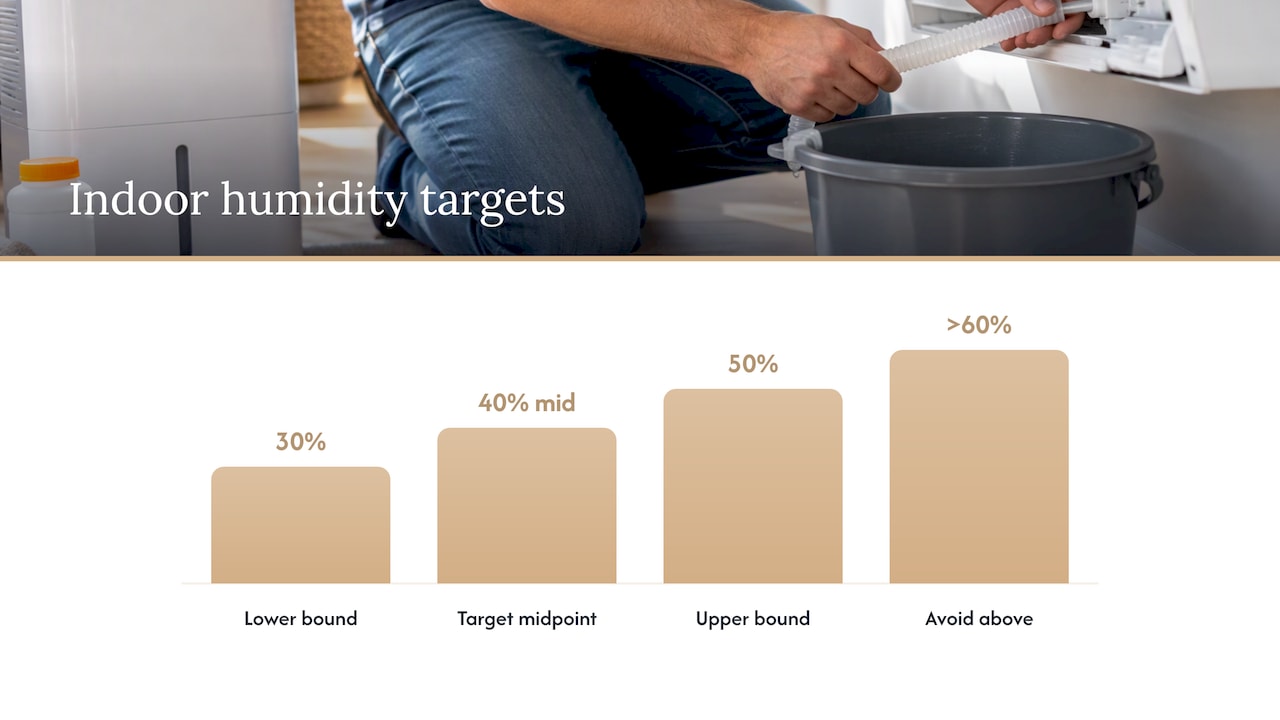
- Maintaining indoor humidity between 30% and 50% and regularly checking and clearing the condensate drain are essential for long-term odor prevention.
What causes a musty AC smell in homes and cars?
A musty odor almost always points to trapped moisture somewhere the air passes through. Once water sits still long enough, mold and bacteria move in, and the smell follows the airflow straight into your living room or car cabin.
The most common culprit is a clogged condensate drain. Air conditioners pull a lot of water out of the air during cooling, and that water is supposed to flow out through a drain line. When the line clogs or the pan fills with sludge, standing water becomes a breeding ground for odor-causing growth, which is one reason the EPA’s guide on mold and moisture treats any lingering musty smell as a sign of an active moisture problem that needs to be fixed at the source, not just covered up.
A few other usual suspects:
- Dirty or restricted evaporator coils trap moisture and dust, creating a damp surface where mold spreads easily.
- Clogged, wet, or collapsed air filters (or cabin filters in a car) hold onto moisture and debris instead of catching them cleanly.
- Damp or contaminated ductwork can carry odors from one damp spot and spread them through every vent in the house.
- Short-cycling systems, often from an oversized unit, shut off before they finish pulling moisture out of the air, leaving things damp.
- First-of-the-season odors happen when dust and trapped moisture from months of sitting idle get stirred up the first time you turn the system back on.
Each of these shares the same root issue: water that isn’t draining or evaporating the way it should.
How do you remove a musty smell from your AC or car?
Start with safety. If the smell is sharp, like burning plastic, rotten eggs, or a chemical note, turn the system off and call a professional before doing anything else. A musty, earthy smell, on the other hand, is safe to troubleshoot yourself.
- Check the filter first. Pull it out and look for dirt buildup, dampness, or mold spots. A clogged filter restricts airflow and traps moisture, so replace it if it looks gray, wet, or compressed.
- Run the system in dry or fan-only mode for a few hours to help internal surfaces fully dry out, especially after a humid stretch.
- Inspect the condensate drain line. Locate the PVC drain line near your indoor unit and check for slow drips or standing water in the pan. A wet-vac at the outdoor end often clears simple clogs, which lines up with maintenance guidance from ACCA on condensate systems that recommends a drain slope of about 0.125 inches per foot to keep water moving.
- Disinfect the drain pan with a mix of water and a small amount of distilled white vinegar poured down the line, which helps break up mild biological buildup without damaging components. Stop and call a pro if you see thick sludge, rust, or a line that won’t clear.
- Wipe visible coil surfaces gently if you can reach them safely, but leave deep coil washing to a technician. Aggressive cleaners or disassembly can bend fins or push debris further into the system.
- In a car, replace the cabin air filter, then run the AC on fresh air mode at high fan speed for a few minutes with the car parked and windows open. A mechanic can apply an approved evaporator foam cleaner or service the evaporator core if the smell persists.
Pro Tip: Skip the scented sprays and odor bombs. They mask the smell instead of fixing the moisture problem, and that delay often lets mold spread further before anyone addresses it.
How do you prevent musty smells from coming back?
Preventing the smell from returning comes down to controlling moisture, not just cleaning up after it shows up. Indoor relative humidity is the number that matters most here.
- Keep indoor humidity between 30% and 50%, and never above 60%, which is the range the EPA recommends for discouraging mold growth. A basic hygrometer, available at most hardware stores, makes this easy to track.
- Replace home air filters every 1 to 3 months, more often if you have pets or live somewhere dusty.
- Replace vehicle cabin filters according to your owner’s manual, typically on a yearly schedule or sooner in smoky or high-pollution areas.
- Avoid short-cycling by making sure your system isn’t oversized for the space. Longer, steadier runtimes dehumidify better than frequent short bursts.
- Check the condensate drain every few months, especially before peak cooling season, and clear it as part of routine maintenance rather than waiting for a backup.
One humidity number does the heavy lifting here: staying in that 30 to 50 percent range keeps conditions inhospitable for the mold and bacteria that cause musty odors in the first place.
If humidity stays stubbornly high even with a well-running AC, a standalone dehumidifier, UV germicidal lamp, or upgraded filtration can help close the gap. None of these replace fixing a clogged drain or a failing coil. They just support a system that’s already working properly.
When should you call a professional for AC odor?
Some situations are beyond a weekend fix. Call a licensed technician if you notice any of the following:
- The musty smell returns within days of cleaning the filter and drain.
- You see visible mold on vents, coils, or interior panels.
- There’s water damage, stains, or warped drywall near the indoor unit.
- The condensate drain clogs repeatedly despite clearing it.
- Duct insulation feels damp or shows discoloration.
- You notice burning, electrical, or refrigerant odors.
A professional visit typically includes checking the drain’s slope and flow, testing the P-trap, inspecting the coil and surrounding ductwork, and taking moisture readings in problem areas. Depending on what they find, fixes range from clearing or replacing the drain line to coil or pan replacement or targeted duct remediation.
What I’ve learned fixing musty AC smells for 15+ years
In my years running HVAC calls across Los Angeles homes, the biggest mistake I see is homeowners cleaning the coil and stopping there. The coil is usually just where the smell shows up, not where it starts. If the drain is still clogged or the humidity is still high, the smell comes right back within a week or two.
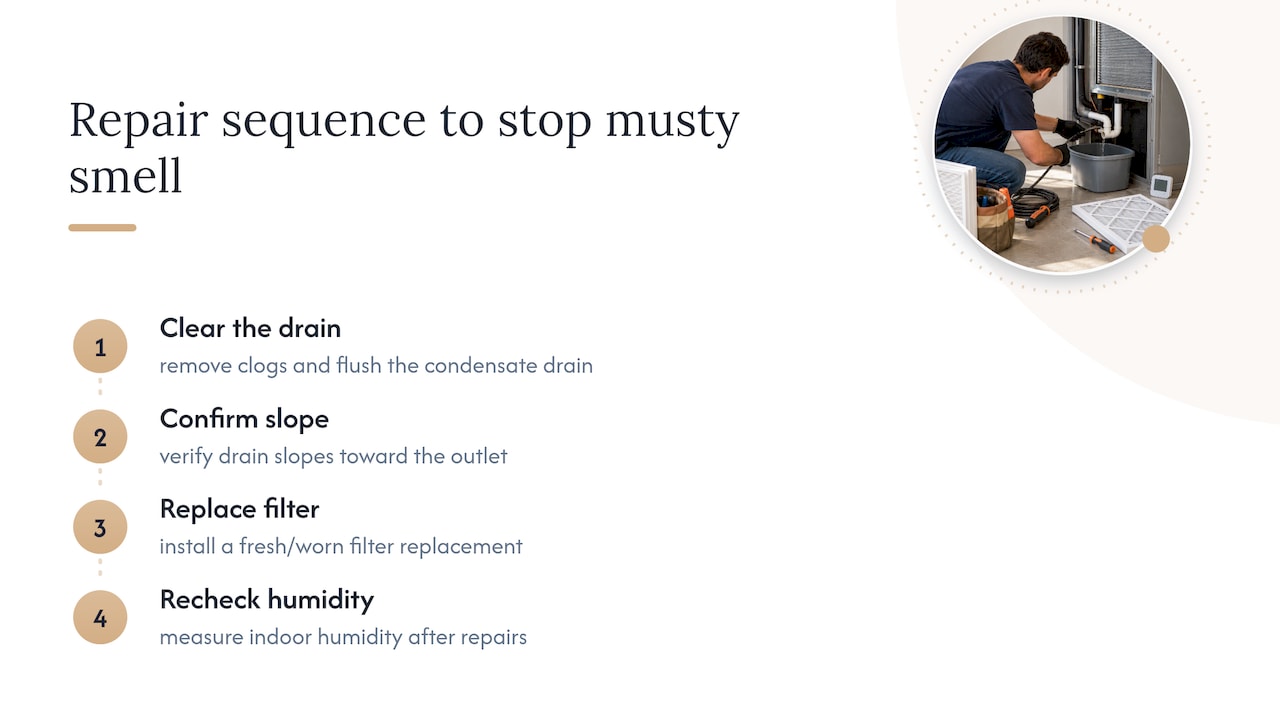
One repair sequence we see constantly: clear the drain, confirm proper slope, replace a worn filter, and recheck humidity. That combination solves the problem for good far more often than coil cleaning alone.
My honest take on musty AC smells
Most advice on this topic treats a musty AC smell as a cleaning problem. It isn’t. It’s a moisture problem that happens to produce a smell, and that distinction changes everything about how you should respond.
Coil cleaning, filter swaps, and scented sprays all treat symptoms. They can make the smell fade for a week or two, which is exactly why so many people think they’ve fixed it. The actual fix is almost always upstream: a drain that isn’t draining, or indoor air that’s sitting above 50% humidity for weeks at a time.
If you only do one thing from this guide, check your condensate drain and buy a cheap hygrometer. Those two moves tell you more about whether your smell will come back than any amount of coil scrubbing. Everything else, from filter schedules to UV lamps, works best once that foundation is solid.
— Ernie M
Getting professional help with musty AC smells
When a musty smell keeps coming back despite your best DIY efforts, professional diagnostics can find the source: condensate drain and pan repair, coil inspection, duct checks, and indoor air quality upgrades like dehumidifiers and UV lamps. An on-site visit typically includes a full inspection of drain slope, coil condition, and humidity levels, followed by a written quote before any work starts.

If you’re ready to get the smell handled for good, you can schedule an AC inspection with our team, or ask about a maintenance plan that keeps drains and filters checked before odors start.
This article is general information, not a substitute for advice from a qualified doctor. Consult a qualified healthcare professional about your own circumstances before acting on anything here.
FAQ
Should I turn my AC off if it smells musty?
A musty smell alone usually doesn’t require shutting the system off. You can keep running it while you check the filter and condensate drain, but turn it off immediately if you smell burning, gas, or a chemical odor instead.
How do you deodorize an air conditioner?
Deodorizing starts with removing the moisture causing the smell, not masking it with sprays. Clear the condensate drain, replace the filter, and run the system in dry mode so internal surfaces fully dry out, which addresses the source of the odor rather than covering it up.
How do you get rid of a musty smell in the air?
Start by identifying where the moisture is sitting, whether that’s a clogged drain pan, a damp filter, or ductwork that never fully dries. Fixing that moisture source and keeping indoor humidity in the 30 to 50 percent range, as recommended by the EPA, resolves most musty odors permanently.
Why does my AC only smell musty when I first turn it on?
This is common at the start of cooling season, when dust and trapped moisture that built up while the system sat idle get stirred into the airflow. The smell usually clears within a few minutes as the system dries out and circulates fresh air.
Can a dirty air filter really cause a musty smell?
Yes. A clogged or wet filter restricts airflow and holds onto moisture, creating a damp surface where mold and bacteria can grow. Replacing it every 1 to 3 months is one of the simplest ways to prevent the smell from starting.